Have you ever wondered, “How does trading in your car work?” Whether you’re looking to upgrade or simply want a change, trading in your vehicle can be a straightforward process when approached correctly. But what are the best tips to ensure you get the most value from your trade-in? The answer lies in understanding the trade-in process, preparing your car meticulously, and making sure it’s spick and span right down to cleaning fabric car seats.
In this comprehensive guide, we’ll explore the ins and outs of trading in a car, from appraisals at dealerships to maximizing your trade-in value and how to clean fabric car seats effectively. Armed with these insights, you’ll be ready to make the most of your trade-in experience.
Understanding How Trading In a Car Works
Trade-in Basics
Trading in a car involves exchanging your current vehicle for credit towards a new purchase at a dealership. This process is often more convenient than a private sale, as it requires less time and effort. Dealerships assess your vehicle’s condition and offer a trade-in value based on the appraisal.
Dealership vs. Private Sale
Choosing between a dealership trade-in and a private sale can significantly impact how much you receive for your vehicle. Dealerships offer ease and speed, but private sales often yield higher returns. Assess your priorities—whether you value convenience or top-dollar returns—and decide accordingly.
Best Way to Trade In a Car: Tips and Tricks
Maximizing Your Trade-in Value
To get the best trade-in value, research market trends and your car’s worth using tools like Kelley Blue Book. Present a well-maintained vehicle with comprehensive service records to enhance its appeal. Highlight unique features and upgrades during the appraisal to potentially increase the offer.
Timing Your Trade-in
Timing can play a crucial role in maximizing your return. Trading in a car when demand is high—such as during tax refund season or before new model releases—can improve your chances of receiving a better offer. Regularly monitoring market conditions will help you pinpoint the optimal time for your trade-in.
Preparing Your Car for Trade-In
Cleaning and Detailing
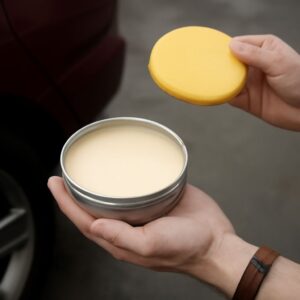
First impressions matter. Thoroughly cleaning and detailing your car can significantly boost its trade-in value. Pay special attention to visible areas like the exterior and interior upholstery. Ensure the glass is spotless and the tires are polished, making the vehicle look well-cared-for.
Maintenance Checks
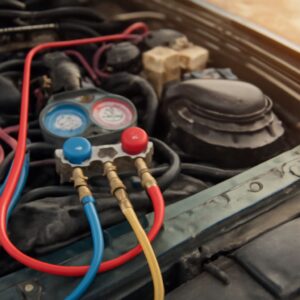
Conducting maintenance checks ensures the vehicle is in peak condition. Address any minor repairs before the appraisal to prevent deductions in trade-in value. Regular oil changes, tire rotations, and brake inspections reflect positively on your vehicle’s upkeep.
How to Clean Fabric Car Seats Before Trading In
Best Way to Clean Fabric Car Seats
Cleaning fabric car seats can be a labor-intensive task but is crucial for a good trade-in impression. Begin by vacuuming thoroughly to remove dirt and debris. Treat stains with suitable upholstery cleaners and follow up with a steam cleaning for deep sanitation.
Products and Tools to Use
Invest in specialized upholstery cleaners that are gentle yet effective in removing stains. Use a soft brush or microfiber cloth to avoid damaging the fabric during cleaning. For stubborn spots, consider using a portable steam cleaner to penetrate deep into the fibers.
Finalizing the Trade-In Process
Negotiating the Deal
Negotiation is a critical step in finalizing your trade-in. Armed with knowledge from your research, confidently discuss the value of your car. Be prepared to walk away if the offer does not meet your expectations, ensuring you don’t settle for less than your vehicle is worth.
Paperwork and Documentation
Ensure all necessary paperwork is in order for a seamless transaction. This includes the car’s title, registration, and maintenance records. Proper documentation not only speeds up the process but also serves as proof of your vehicle’s history, potentially influencing the final offer.
Next steps: Regularly maintain your vehicle to preserve its value over time. Incorporate good cleaning habits and schedule routine checks to ensure your car remains in optimal condition. When considering a trade-in, revisit these practices to maximize your vehicle’s appeal and trade-in value.