How long to jump start a car is a practical question with a straightforward answer: typically two to five minutes of charge time is enough to start a moderately discharged battery. How long does it take to jump a car depends on the depth of the discharge and the capacity of the donor vehicle’s battery. Understanding how long to jump a car, how long to jump a car battery specifically, and whether can a car battery be too dead to jump start are all essential pieces of knowledge for anyone who drives.
Jump-starting is a routine emergency procedure, but doing it incorrectly—or not understanding its limits—can damage expensive electrical components or leave a driver stranded again within hours.
How Long to Jump Start a Car Under Normal Conditions
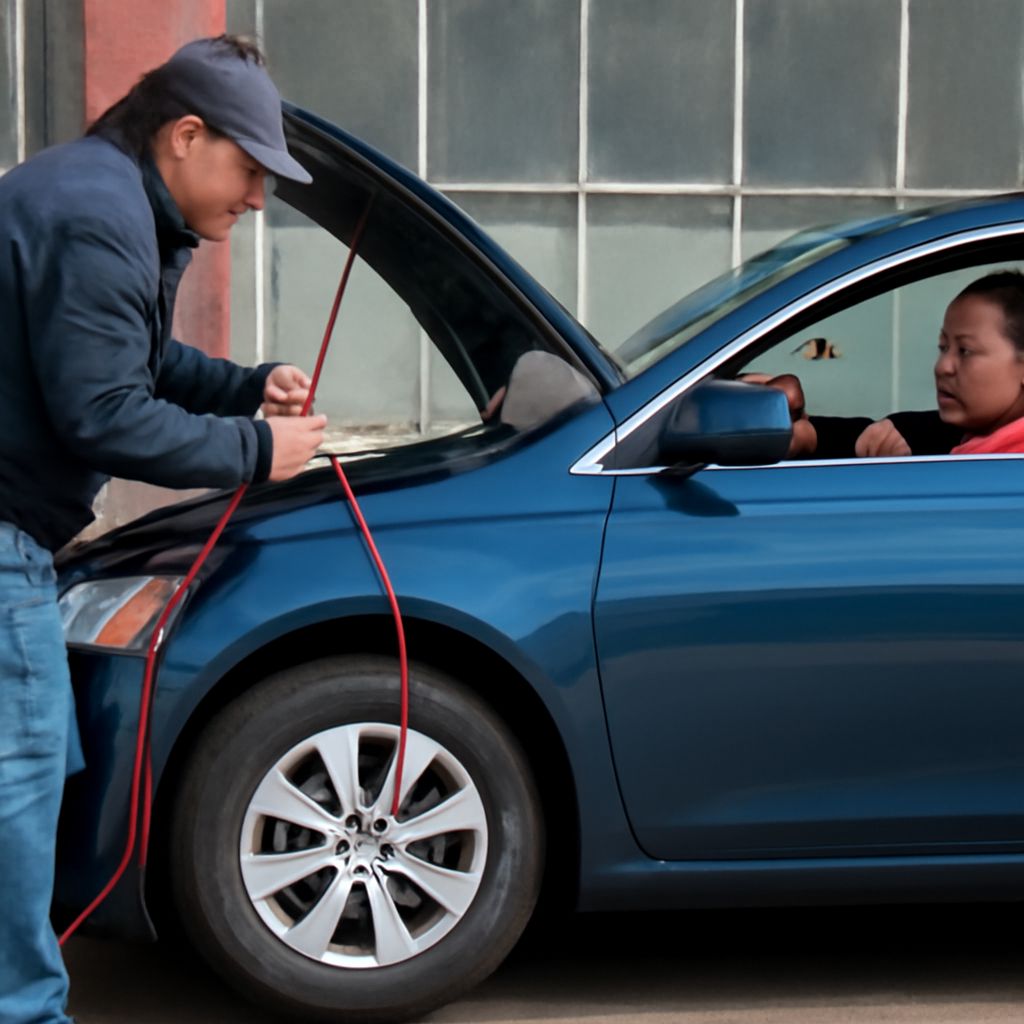
Typical Charging Window How long to jump start a car with a mildly discharged battery is usually two to five minutes. Connect the cables in the correct order—positive to positive, negative to a ground point on the dead vehicle rather than directly to the battery—start the donor vehicle, and allow it to run for two to three minutes before attempting to start the disabled vehicle. If the car starts within the first attempt, the battery was likely only superficially discharged. How long does it take to jump a car when the battery is more deeply discharged? Up to ten minutes of charging time from the donor vehicle may be required before the disabled car has enough stored energy to crank the engine.
Factors That Extend Jump Time
Cold weather reduces battery efficiency significantly. A battery that would start a car in 30°F conditions may require twice the charge time compared to the same battery at 70°F. Engine oil viscosity also increases in cold weather, requiring more cranking power to start. How long to jump a car in winter conditions should be extended to five to ten minutes of charge time as a baseline, with longer periods if the engine does not start on the first few attempts.
How Long to Jump a Car Battery Before Giving Up
How long to jump a car battery before concluding that the battery cannot be saved? If the car fails to start after 10 to 15 minutes of charge time from a running donor vehicle, the battery is likely either too deeply discharged for a surface charge to recover, or it has a dead cell that prevents it from holding a charge. At this point, continuing to attempt a jump start is unlikely to succeed and may strain the donor vehicle’s charging system. The appropriate next step is either a dedicated battery charger set to a slow recovery charge over several hours, or battery replacement.
Can a Car Battery Be Too Dead to Jump Start
Can a car battery be too dead to jump start? Yes. A battery that has been completely discharged and left in that state for an extended period may develop sulfation—a crystallization of lead sulfate on the battery plates that permanently reduces capacity. Such a battery may accept a surface charge sufficient to start the car once, but it will not hold a full charge and will fail again quickly. Can a car battery be too dead to jump start when it reads zero volts on a multimeter? In most cases, a battery showing 0 volts has an internal short or a completely dead cell and should be replaced rather than repeatedly jumped.
After the Jump: What to Do Next
After a successful jump start, drive the vehicle for at least 20 to 30 minutes at moderate speed to allow the alternator to recharge the battery. Avoid short trips immediately following a jump start—the alternator needs sustained operation to restore the battery to full charge. If the battery discharges again within a day or two despite normal driving, the battery itself may be failing and should be load-tested at an automotive shop. The alternator and charging circuit should also be tested, since a battery that drains consistently despite normal use often indicates a failing alternator rather than a battery problem. Next steps: after any jump start event, schedule a battery and charging system test within 48 hours to determine whether the battery is recoverable or due for replacement.