Why does a car crank but won’t start? Often, drivers experience their car turning over but not starting, leading to frustration and uncertainty. Understanding why a car turns over but doesn’t start is crucial for effective troubleshooting and repair. Let’s explore the common reasons why your car turns but won’t start and how to address them effectively.
Understanding Why Your Car Cranks But Won’t Start
Common Causes for a Car Cranking But Not Starting
Several factors can lead to your car cranking but not starting. One of the most common reasons is a faulty ignition system. Issues with spark plugs or the ignition coil can prevent the engine from firing properly. Another frequent culprit is the fuel system; a clogged fuel filter or a failing fuel pump can starve the engine of the fuel it needs to start. Additionally, electrical problems, such as a dead battery or corroded battery terminals, can lead to your car turning over but not starting.
Signs Your Car Turns Over But Won’t Start
Recognizing the signs of a car cranking but not starting can help pinpoint the underlying issue. If you hear the engine cranking without actually starting, it may indicate an ignition problem. Alternatively, if the car turns over but doesn’t start and makes a sputtering noise, it could be a fuel delivery issue. Observing these symptoms can guide you toward the correct diagnosis and repair steps.
Step-by-Step Guide to Diagnose the Problem
Initial Checks for When Your Car Turns Over But Doesn’t Start
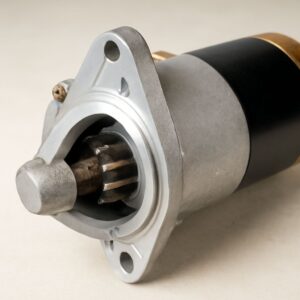
Begin by inspecting the battery and its connections. Ensure the battery is charged and the terminals are clean and tightly connected. Next, listen to the engine as it cranks. Do you hear clicking or rapid cranking that could indicate a starter issue? Check the fuel level and ensure the fuel pump is operational. These preliminary steps can often resolve basic issues without further intervention.
Advanced Troubleshooting for Persistent Issues
Should initial checks not reveal the problem, further investigation may be necessary. Examine the ignition system for worn or damaged spark plugs and test the ignition coil’s functionality. If the car turns over but doesn’t start, consider inspecting the fuel system. Test the fuel pump’s pressure to ensure proper fuel delivery. Additionally, assess the engine’s sensors, such as the crankshaft position sensor, as they play a key role in engine timing and operation.
Preventative Measures to Avoid Future Problems
Regular Maintenance Tips
Consistent maintenance can prevent your car from cranking but not starting in the future. Regularly check and replace spark plugs and fuel filters to ensure optimal performance. Keep the battery and its terminals clean and inspect the fuel system for any obstructions. By maintaining these components, you can minimize the risk of a car turning over but not starting.
When to Seek Professional Help
While many starting issues can be diagnosed and resolved independently, there are times when professional assistance is necessary. If your car continues to turn over but doesn’t start after addressing basic checks and advanced troubleshooting, consult a qualified mechanic. Their expertise can identify complex issues that may be overlooked by an untrained eye.
Next steps: Regularly performing maintenance checks can prevent issues related to a car cranking but not starting. Stay attentive to your vehicle’s performance, and don’t hesitate to seek professional services when needed to ensure reliability and safety.