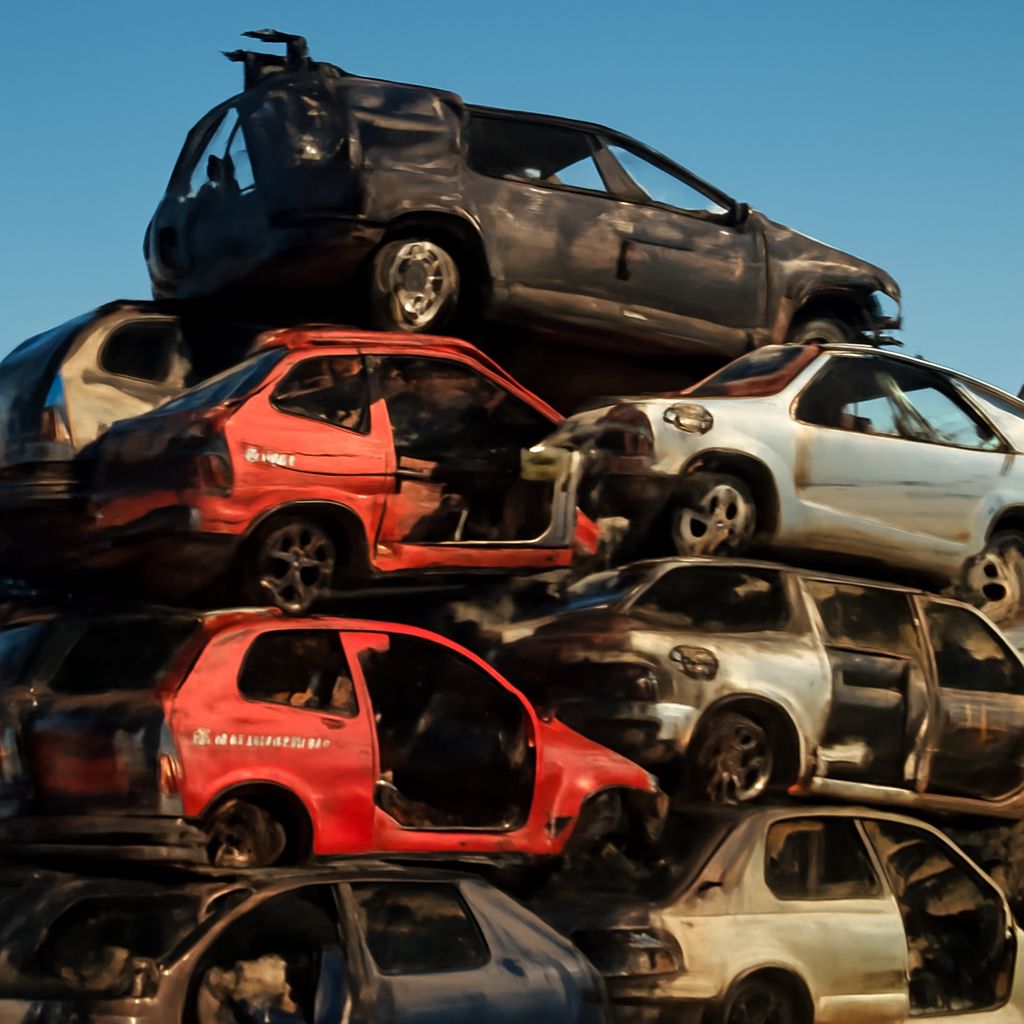
What happens when a car reaches the end of the road? For many owners, selling car to junkyard is the most practical exit. Whether the vehicle no longer runs, failed inspection, or repair costs outweigh its value, scrapping it turns metal into cash fast. But before handing over the keys, it helps to know what drives the offer and how to get a fair deal.
To sell a car for scrap, owners typically contact local salvage yards, provide basic vehicle details, and receive a cash quote. How much do you get for junking a car depends on weight, metal prices, and which parts still hold value. Knowing how much would a junkyard pay for my car before you call gives you a baseline. Some promotions even let owners junk my car for 500 cash when demand for scrap steel is high.
What Determines Junkyard Offers
Junkyards calculate value based on several concrete factors. Scrap steel prices fluctuate with commodity markets, so the same car might fetch different amounts month to month. Vehicle weight matters most: heavier trucks and SUVs generally earn more than compact sedans. Make and model affect parts demand. A popular model with a large ownership base means higher demand for salvaged components, which pushes offers up.
Condition plays a role too. A car that drives in gets a higher quote than one towed on a flatbed in some cases, though many yards accept non-running vehicles without penalty. Catalytic converters, newer tires, and intact electronics all add to the offer.
Realistic Price Ranges
Most junked vehicles bring between $100 and $500. Larger or heavier vehicles can reach $700 or more when scrap prices are favorable. A target of getting junk my car for 500 cash is achievable for mid-size and larger vehicles in markets where steel demand is strong. Lighter cars in poor condition typically land closer to $100 to $200.
Owners wondering how much would a junkyard pay for my car should check current scrap steel prices online before calling. Multiply the vehicle weight by the local price per ton to get a rough floor. Actual offers will vary based on parts value on top of scrap weight.
How to Get the Best Offer
Getting multiple quotes from different salvage yards is the single most effective step. Call three to five local yards and compare. Many yards now offer online quote tools that let sellers enter the VIN and mileage for an instant estimate. When selling car to junkyard, have the title ready and know the vehicle weight, which appears on the registration or manufacturer specs.
- Gather the title and valid ID before contacting any yard.
- Remove personal belongings and any aftermarket parts you want to keep.
- Ask whether towing is included or added to the transaction.
- Compare offers before committing to the first yard that calls back.
Required Documents
Most states require a clean title to legally sell a car for scrap. Without one, the transaction may stall or the offer drops significantly. Some states allow a bill of sale with photo ID for older vehicles, but this varies. Contact the local DMV to confirm what paperwork a junkyard legally needs before arriving. Selling a scrapped car without proper documentation can result in legal liability if the vehicle gets used in ways the previous owner did not anticipate.
After the Sale
Once the yard takes the vehicle, notify the state DMV and cancel the insurance policy. Some states require owners to file a release-of-liability form to confirm the transfer. Keep a copy of the title transfer or receipt from the yard. If the car had plates, most states require returning them to the DMV rather than leaving them on the scrapped vehicle.
Pro tips recap: Get at least three quotes before agreeing to any price, confirm whether free towing is included, have the title in hand to avoid delays, remove any valuable aftermarket parts before drop-off, and cancel insurance the same day the car leaves.