A dead battery rarely gives no warning. In most cases, signs your car battery is dying show up days or weeks before a complete failure. Recognizing these early indicators means the difference between a planned battery replacement and being stranded in a parking lot. Signs car battery is dying range from minor electrical glitches to obvious cranking problems, and knowing which to watch for saves time and money.
How to tell if your car battery is dying involves checking both driving behavior and vehicle systems. Signs car battery is dead are more obvious, such as a completely unresponsive ignition, but catching things earlier is always preferable. Dead car battery symptoms cover a broad range of issues that drivers sometimes attribute to other causes, which is why understanding what to look for matters.
Slow Engine Cranking
The most recognized symptom is a slow, labored start. When the engine turns over more slowly than usual and sounds sluggish before catching, the battery is struggling to deliver adequate current to the starter motor. This is one of the clearest signs your car battery is dying and one that tends to worsen progressively. Cold weather amplifies the problem because low temperatures reduce battery output.
What Slow Cranking Feels Like
A healthy engine cranks briskly and catches within one or two seconds. A battery losing capacity produces a slower, lower-pitched cranking sound. The engine still starts, but the hesitation is noticeable. If cranking speed continues to decline over several days, the battery is approaching failure.
Electrical System Irregularities
Modern vehicles rely on battery power for nearly every system. When battery capacity drops, electrical components behave erratically. Dimming headlights at idle, flickering dashboard gauges, power windows moving more slowly than usual, and interior lights that appear weaker than normal are all dead car battery symptoms that precede a full failure.
Some drivers notice the radio losing presets, or the clock resetting after driving. These point to a battery that cannot maintain charge between drives. How to tell if your car battery is dying through electrical behavior requires paying attention to changes rather than isolated incidents.
Warning Lights and Diagnostic Codes
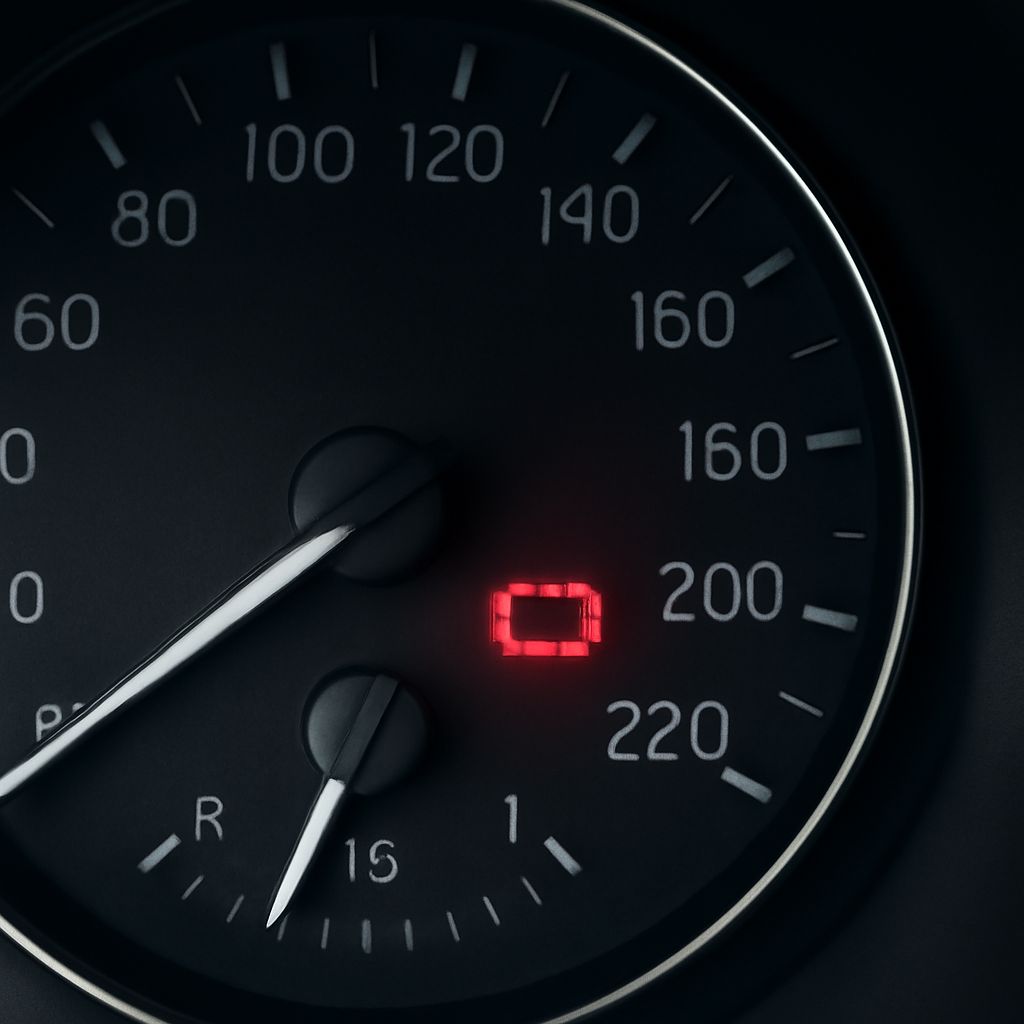
The battery warning light on the dashboard is the most direct signal. It illuminates when the charging system detects voltage below a normal threshold. A check engine light can also appear when battery voltage drops enough to affect sensor readings. Signs car battery is dying are sometimes confirmed only through a diagnostic scan, which reads stored fault codes related to low voltage events.
Battery vs. Alternator
The battery warning light can indicate either a failing battery or a failing alternator. An alternator that stops charging will drain even a healthy battery within minutes of driving. Testing both components at an auto parts store, using their free battery and charging system check, confirms which part needs replacement.
Physical Battery Condition
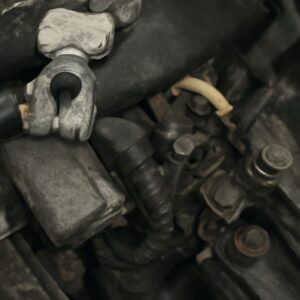
A visual inspection reveals several signs car battery is dead or close to it. Corrosion around the terminals appears as white or blue-green buildup and interrupts the electrical connection. A bloated or swollen battery case indicates internal damage from excessive heat or overcharging. Any cracking or leaking from the battery housing requires immediate replacement.
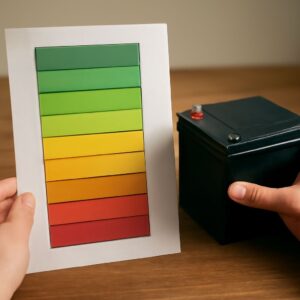
Checking the battery age is straightforward. Most batteries carry a date code stamped on the case. A battery older than four years warrants testing regardless of symptoms. Most automotive batteries last three to five years under normal conditions.
Starting Problems in Specific Conditions
A battery that performs fine on warm days but fails on cold mornings is one of the most common dead car battery symptoms. Cold temperatures can drop battery output by 30 to 50 percent. A battery that passes a load test at room temperature may still fail in freezing conditions. Testing during cooler weather or asking for a cold-cranking amps test gives a more accurate picture of remaining capacity.
Pro tips recap: Watch for slow cranking and electrical irregularities as early signs your car battery is dying, test batteries older than four years proactively, distinguish between alternator and battery faults using free diagnostic checks, and replace promptly when multiple dead car battery symptoms appear together.