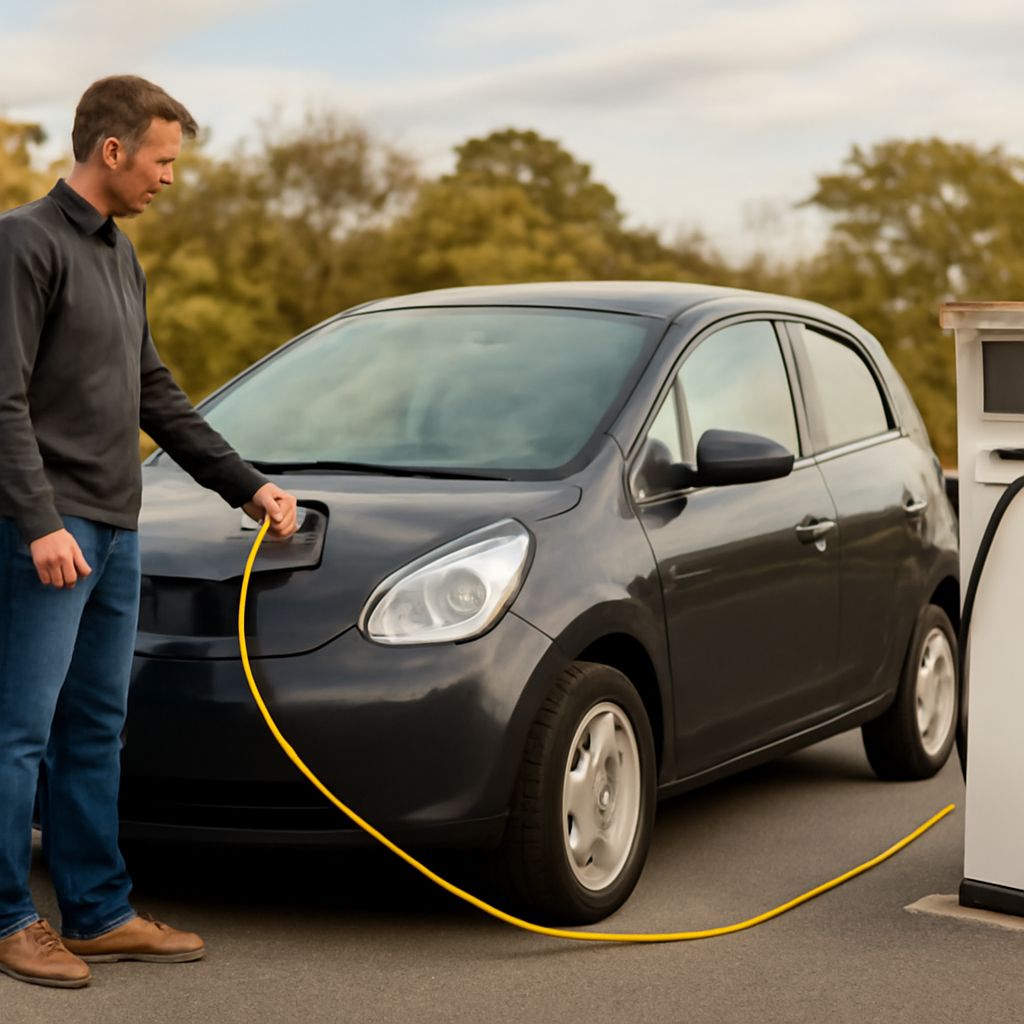
Have you ever wondered about the cost to charge an electric car at electric car charging stations? As electric vehicles (EVs) become more popular, understanding the financial implications of charging them is crucial for current and prospective owners. This article delves into the factors that influence the cost to charge an electric car, how these costs can vary, and how to manage them effectively for maximum savings.
Understanding the Cost to Charge an Electric Car
The cost to charge an electric car is a vital consideration for anyone making the switch to an electric vehicle. Unlike traditional cars powered by gasoline, EVs derive their energy from electricity, which can be sourced from various types of charging infrastructure. This ability to charge at home or at various public locations introduces several variables that affect overall charging costs. These variables include the price of electricity, the efficiency of the car, and the capacity of the car’s battery.
Factors Affecting Electric Car Charging Stations Cost
The cost of using electric car charging stations can fluctuate based on several factors. Firstly, the type of charging station—whether it’s a Level 1, Level 2, or DC fast charger—plays a significant role, with faster chargers typically incurring higher costs. Secondly, geographic location is crucial as electricity rates differ from one region to another. Additionally, some charging networks charge by time, while others charge by kilowatt-hour, affecting the overall cost calculation.
How to Calculate Your Charging Expenses
Calculating charging expenses involves considering several key elements. Start by identifying the efficiency of your electric car, typically measured in miles per kilowatt-hour (kWh). Next, determine the price per kWh at your local electricity rate or at the charging station. Multiply the battery’s capacity by the electricity rate to estimate the cost to fully charge your vehicle. This approach helps in budgeting for monthly or annual energy expenses.
Tips to Save on Electric Car Charging
There are several strategies to reduce the cost to charge an electric car. First, take advantage of off-peak electricity rates when charging at home. Many energy providers offer lower rates during nighttime hours. Additionally, enroll in reward programs offered by some charging networks, which might provide free or discounted charging. Planning trips to include charging at free public stations where available can also help minimize expenses.
Comparing Home and Public Charging Costs
When deciding between home and public charging, cost is a determining factor. Generally, home charging is the most cost-effective option due to lower residential electricity rates. However, the initial investment in a home charging station can be substantial. In contrast, public charging stations offer convenience, especially on long trips, but may be more expensive per session. It’s crucial to weigh upfront costs against long-term savings when selecting the right charging solution.
Pro tips recap: Understand the cost to charge an electric car by considering battery size, electricity rates, and charging station types. Utilize off-peak rates and rewards programs to save money, and compare home against public charging costs to make informed decisions. By staying informed and proactive, EV owners can effectively manage their charging expenses.