Ever found yourself wondering why your car makes a clicking noise when starting? It’s a common scenario that can leave many drivers frustrated and puzzled. Understanding why your car makes this noise when starting is essential to finding a solution and getting your vehicle back on the road. The clicking sound is a sign that something is amiss, and it often points to an issue that needs immediate attention. The good news is, this problem is usually straightforward to diagnose and fix.
Knowing the reasons for the clicking noise when starting can help you identify the right steps to take. From battery issues to starter motor troubles, various factors can contribute to this problem. By recognizing the common causes and learning about effective solutions, you can save valuable time and effort. Let’s delve into the details to uncover why your car makes a clicking noise when starting and explore how to fix it efficiently.
Understanding the Clicking Sound
The clicking sound often heard when trying to start a car is typically associated with the electrical system. This sound is a series of rapid clicks that occur when the ignition key is turned. Essentially, the clicking indicates that the starter motor is engaging but not receiving enough electrical power to turn the engine over. This is a crucial piece of information as it narrows down the possible issues to electrical-related problems.
Common Causes of Clicking When Trying to Start a Car
Several factors can lead to a car making a clicking noise when starting. The most prevalent cause is a drained or faulty battery. When a battery is unable to supply sufficient power, the starter motor struggles, resulting in the clicking sound. Corroded battery terminals can also contribute to this issue by impeding the flow of electricity.
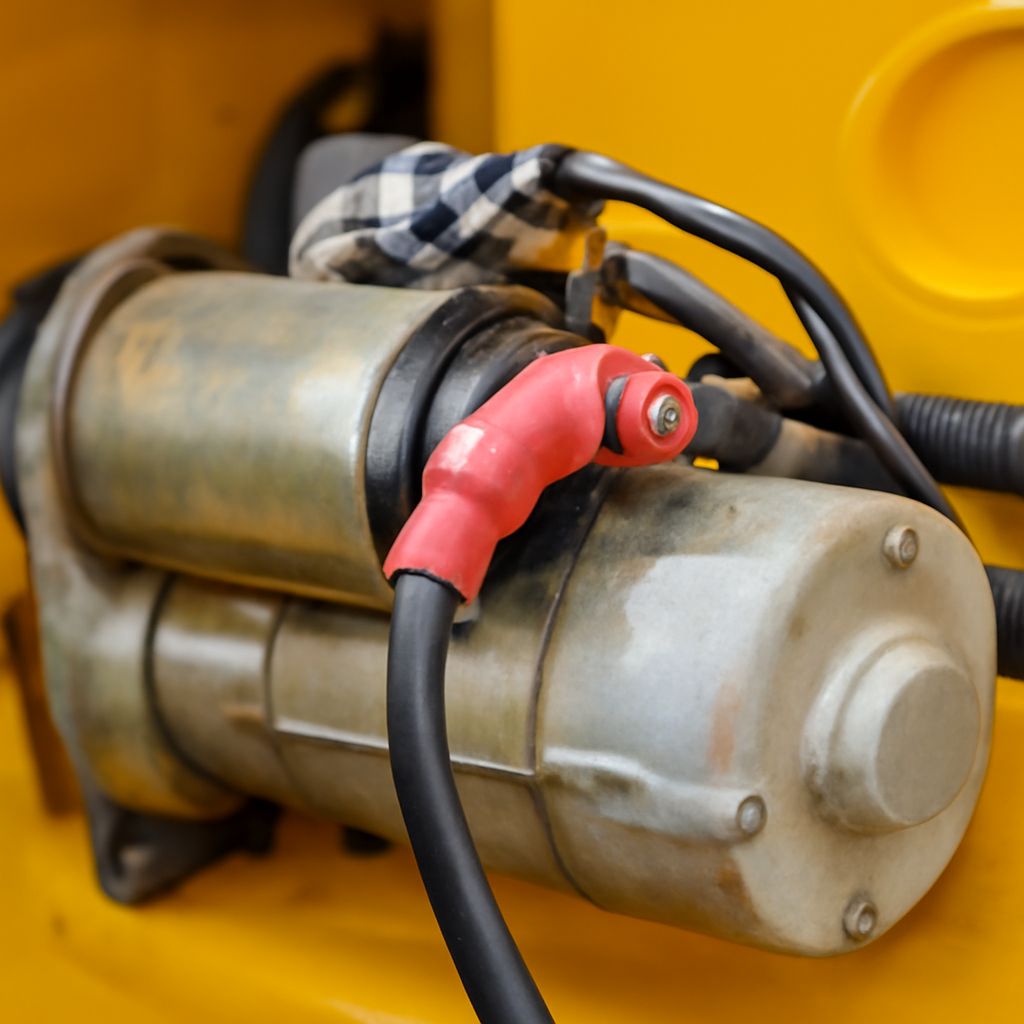
Another potential cause is a faulty starter motor itself. Over time, the starter can wear out or malfunction, leading to the clicking noise. Additionally, problems with the alternator, which charges the battery while the car is running, can result in a battery that doesn’t have enough charge to start the car.
How to Diagnose the Problem
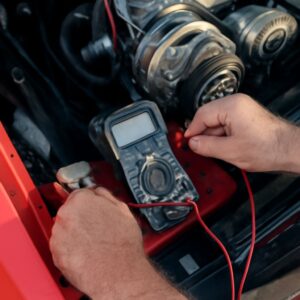
Diagnosing why your car makes a clicking noise when starting involves a few simple tests. First, check the battery condition. Use a multimeter to measure the voltage; a healthy battery should read around 12.6 volts. Inspect the battery terminals for corrosion or loose connections. Cleaning and tightening these connections can sometimes resolve the issue.
If the battery appears fine, the next step is to assess the starter motor. Listen for any unusual sounds when attempting to start the car. If the starter is at fault, it may need to be replaced or repaired. Checking the alternator’s performance can also provide insights, as a malfunctioning alternator can lead to battery drainage.
Solutions for a Car That Won’t Start and Makes a Clicking Noise
Once the cause is identified, the solution often involves simple repairs or replacements. If the battery is the culprit, consider charging it or replacing it entirely. Ensure the battery terminals are clean and secure. For starter motor issues, professional repair or replacement is recommended to avoid further complications.
If the alternator is found to be defective, replacing it could resolve the battery charging issues. Regular maintenance, such as checking connections and ensuring the battery is in good condition, can prevent the problem from recurring. Always follow professional standards for electrical repairs to ensure safety and effectiveness.
Next steps: Regular maintenance of your vehicle’s electrical system is key to preventing issues like a clicking noise when starting. Periodically check your battery’s health and clean the terminals to ensure optimal performance. If persistent problems occur, professional inspection and repair are advisable to avoid more significant issues down the line.