Have you ever noticed an alarming smell in your vehicle, prompting you to think, “Why does my car smell like it’s burning?” Both a burning oil and a burning plastic smell in a car can be unsettling. These odors are not only unpleasant but can indicate underlying issues that require immediate attention. Understanding the causes and appropriate actions can prevent potential damage and ensure your vehicle’s safety.
When confronted with a burning smell, identifying whether it’s burning oil or burning plastic is crucial. This distinction can direct you towards the appropriate solution and keep small issues from escalating into significant repairs. Let’s explore the common reasons behind these smells and how to address them effectively.
Recognizing the Burning Smell: Oil or Plastic?
Distinguishing between the smell of burning oil and the smell of burning plastic can be challenging. Burning oil typically emits a greasy, smoky odor, often accompanied by visible smoke from under the hood or the exhaust. Conversely, a burning plastic smell is sharper and more acrid, often associated with melting components or wiring issues.
Accurate identification of the smell can guide a more focused inspection. For both types of odors, prompt action is vital to avoid further complications, such as potential engine damage or electrical hazards.
Common Causes of a Burning Oil Smell
One of the primary reasons why your car smells like burning oil could be due to an oil leak. Leaking oil can drip onto hot engine components, causing a noticeable burning smell. Another common cause is a malfunction within the oil system itself, such as a faulty oil filter or a deteriorating oil gasket. Both can result in oil seeping out and coming into contact with engine parts.
Regular maintenance, including timely oil changes and inspections of your car’s oil system, is essential in preventing these issues. Ensuring that filters and gaskets are in good condition can reduce the likelihood of oil leaks that lead to burning smells.
Why Your Car Smells Like Burning Plastic
If a burning plastic smell in a car is detected, electrical concerns are often at the forefront. Short circuits, faulty wiring, or overheating components can cause plastic insulation to melt, releasing a distinct odor. Another possibility is debris, such as plastic bags or wrappers, coming into contact with the exhaust system.
To avoid electrical issues, it is advisable to have routine checks of your vehicle’s electrical system, especially if you notice flickering lights or malfunctioning electronics. Keeping the vehicle clean and clear of extraneous items can also prevent foreign materials from burning.
Troubleshooting: What to Check Under the Hood
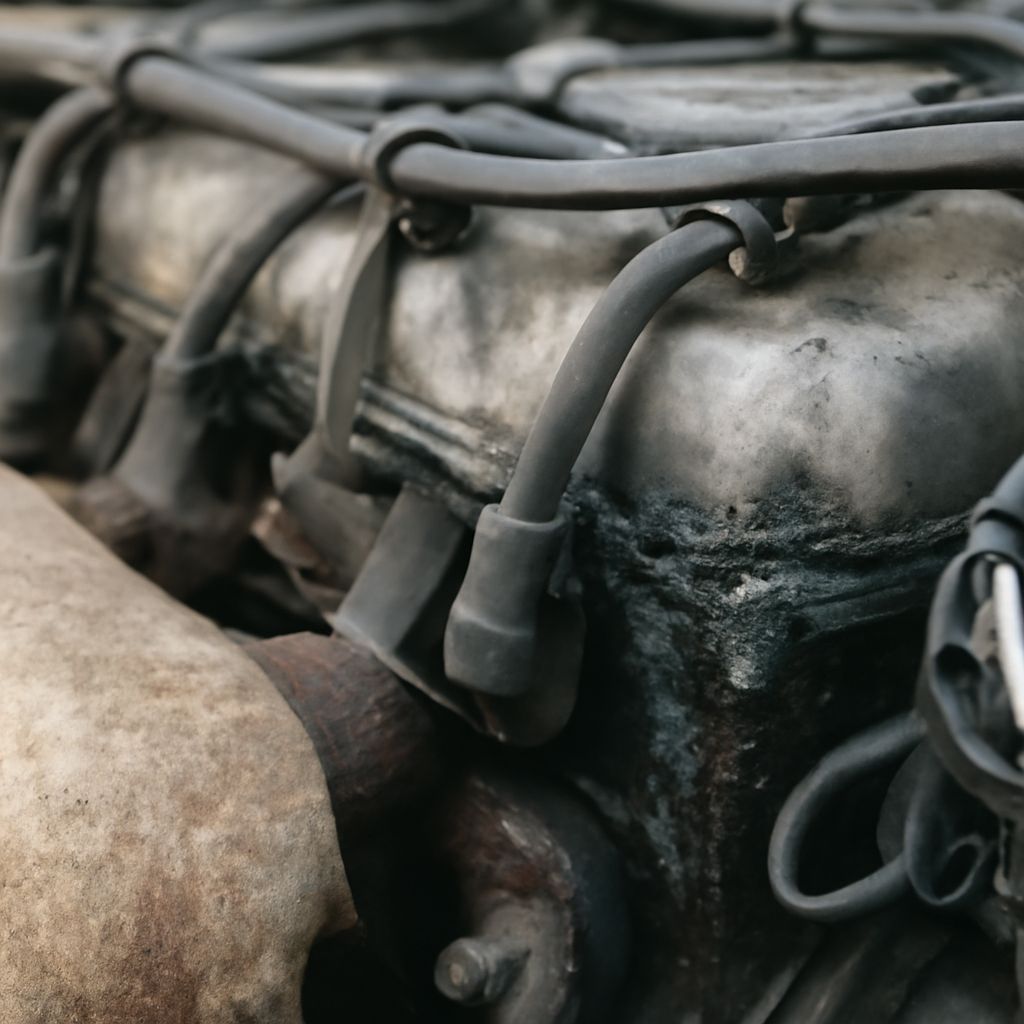
When troubleshooting a burning smell, start by inspecting the engine area. Look for signs of oil leaks around components such as the engine block, oil pan, and filter. Check for any visible damage or malfunctioning parts, which may include worn-out hoses or belts.
For a burning plastic smell, examine the wiring and connectors for signs of melting or damage. Be vigilant for any loose or exposed wires that could pose a threat to the vehicle’s electrical integrity.
When to Seek Professional Help
While some minor issues can be addressed with basic troubleshooting, certain situations demand professional intervention. If your initial checks do not resolve the issue or if the burning smell persists, it is critical to consult a qualified mechanic. This is particularly urgent if multiple symptoms occur, such as smoke, unusual noises, or warning lights.
Professional mechanics have the tools and expertise to diagnose complex problems effectively, ensuring your vehicle’s functionality and safety are restored promptly.
Key takeaways: Identifying whether a car smells like burning oil or burning plastic is essential for accurate troubleshooting. Common causes include oil leaks or electrical issues, each requiring specific checks and possibly professional intervention. Regular maintenance and prompt action are key to preventing extensive damage.