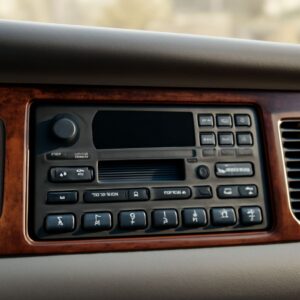
Ever wondered how to wire a car stereo without a harness? With the increasing complexity of modern vehicles, understanding the basics of car stereo wiring can seem daunting. However, with the right approach and knowledge, it’s quite manageable. By ensuring proper ground wire car connections and selecting the correct car stereo wire gauge, you can achieve a seamless installation. Whether you’re upgrading your vehicle’s audio system or replacing a faulty unit, this guide will help you navigate the process efficiently.
Understanding the Basics of Car Stereo Wiring
Before diving into the process of wiring a car stereo without a harness, it’s crucial to understand the basics of car stereo wiring. A typical car stereo system consists of power, ground, and speaker wires. The power wires supply electricity to the stereo, while the ground wires ensure safety and prevent electrical shorts. Speaker wires connect the stereo to the vehicle’s speakers, transmitting audio signals.
Identifying these wires correctly is the first step. Most vehicles have a standard color code for these wires; however, consulting the car’s manual for specific details is advisable. Understanding the function of each wire ensures that connections are made correctly, preventing damage to the stereo or the vehicle.
How to Wire a Car Stereo Without a Harness
Wiring a car stereo without a harness involves direct connection of the stereo wires to the car’s electrical system. Begin by disconnecting the battery to avoid any electrical hazards. Then, identify the car’s power, ground, and speaker wires.
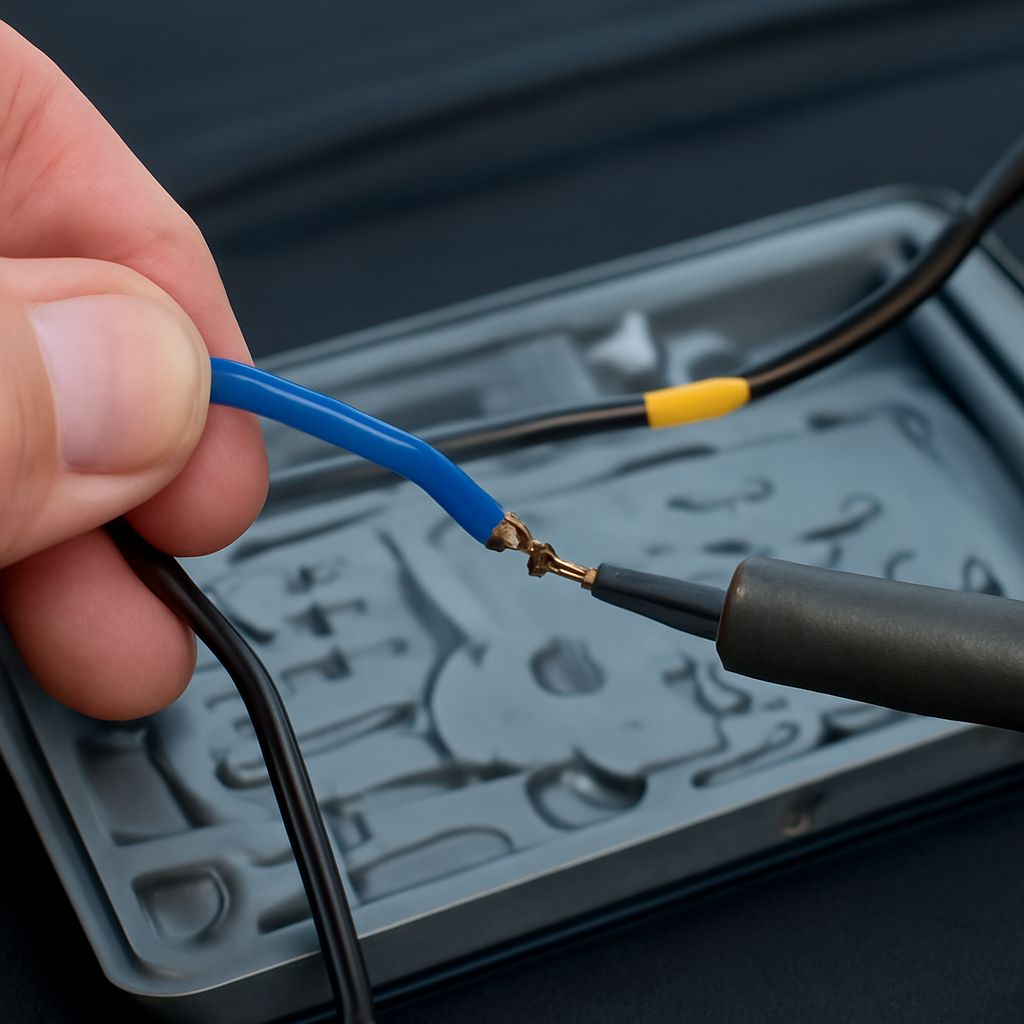
Strip a small section of insulation from the ends of both the stereo and vehicle wires. Twist corresponding wires together and secure them with electrical tape or solder. Properly insulating the connections prevents any short circuits or electrical failures. It’s important to ensure a secure and stable connection to maintain the stereo’s performance.
Choosing the Right Car Stereo Wire Gauge
Selecting the appropriate car stereo wire gauge is vital for optimal performance. The gauge of a wire determines its capacity to carry electrical current; therefore, choosing the correct size is crucial. Typically, the gauge required depends on the power output of the stereo system.
For most car stereo installations, using a 16-gauge wire is sufficient. However, if the stereo system has a higher wattage, a thicker wire, such as 14-gauge or 12-gauge, might be necessary. Ensuring the right wire gauge not only improves sound quality but also enhances system longevity by preventing overheating and potential damage.
Ground Wire Car Connections Explained
Ground wire car connections play a crucial role in the overall wiring process. A proper ground connection ensures that the electrical system functions safely and effectively. The ground wire provides a stable pathway for electrical current, minimizing the risk of shorts or electrical failure.
To make a secure ground connection, attach the ground wire from the stereo to the vehicle’s chassis. Ensure that the connection point is clean and free from paint or rust. A good ground connection stabilizes the electrical circuit, enhancing the stereo’s performance and longevity.
Tips on How to Remove a Car Stereo Safely
Removing a car stereo safely is an essential skill, whether for upgrading or troubleshooting purposes. Begin by disconnecting the car’s battery to prevent any electrical issues. Next, remove any trim that covers the stereo, using appropriate tools to avoid damaging the dashboard.
Once exposed, unscrew the stereo from its mounting bracket and gently pull it out. Disconnect the wiring harness or, if wiring without a harness, carefully detach the connected wires. Keeping track of all screws and small components ensures a smooth reinstallation process.
Bottom line: Wiring a car stereo without a harness requires careful attention to wire identification, insulation, and connections. By understanding the importance of car stereo wire gauge and ground wire car connections, one can achieve a successful installation. Following these guidelines ensures both safety and performance in your vehicle’s audio system.