Ever noticed a burning rubber smell from your car and wondered what might be causing it? A car that smells like burning rubber after driving isn’t just unpleasant—it’s a sign that something might be amiss. Whether it’s a minor or major issue, identifying the source of the burnt rubber smell in your car is crucial to maintaining your vehicle’s health and ensuring your safety.
In many cases, the burning rubber smell in a car can result from simple issues like misplaced items or more complex problems such as mechanical failures. By understanding the potential causes, you can take the right steps to rectify the situation, ensuring that your vehicle remains safe and reliable.
Understanding the Burning Rubber Smell in Your Car
A burning rubber smell emanating from your car can be alarming. The smell is usually caused by something overheating or coming into contact with parts it shouldn’t. It’s essential to identify whether the scent arises internally or externally, as this can help narrow down the root cause.
In some instances, the smell may originate from the engine bay or the wheels. Understanding these initial signs plays a critical role in diagnosing and resolving the issue promptly, preventing further complications or damage.
Common Causes of Burning Rubber Smell from Car
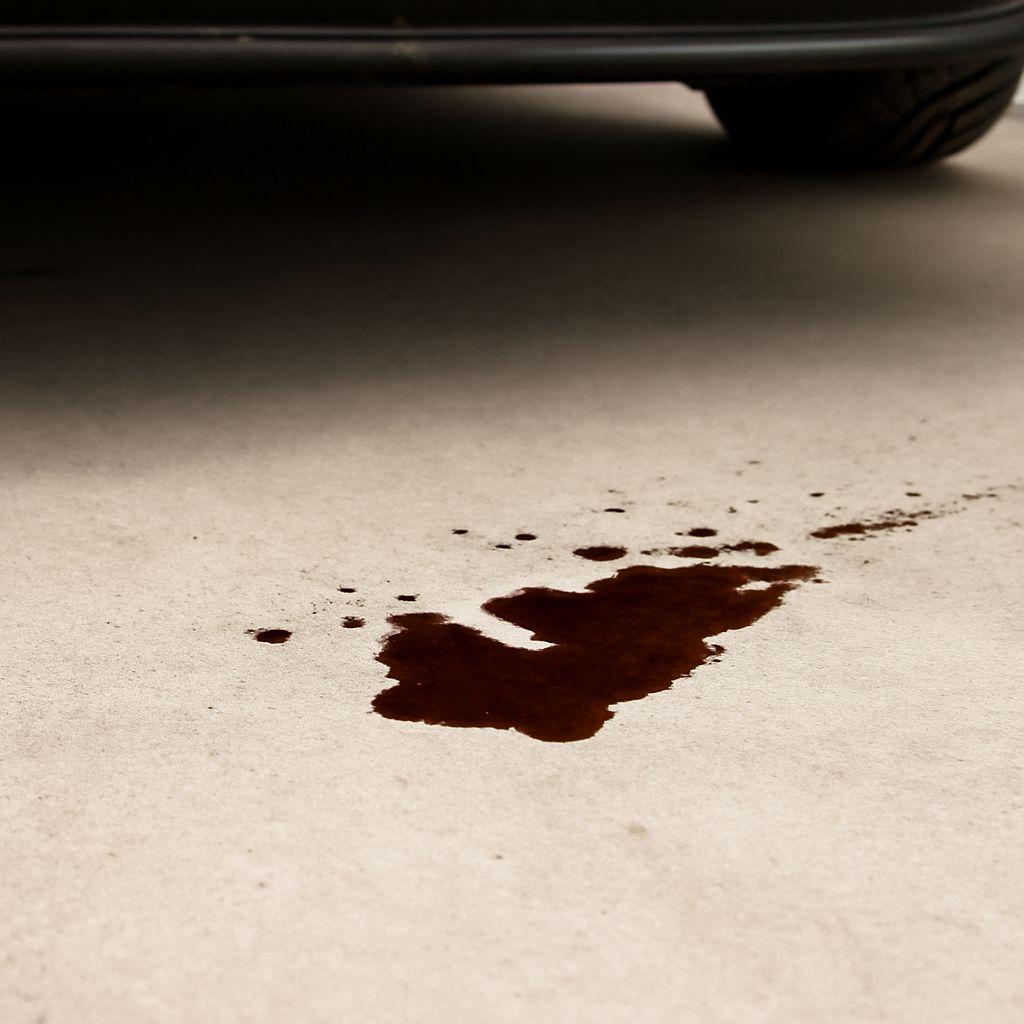
Several factors can contribute to a burning rubber smell from a car. One common cause is an oil leak that drips onto the engine and burns. Additionally, a misaligned or slipping accessory belt can generate heat and a distinct rubber odor.
Moreover, if your car smells like burning rubber after driving, it could be due to worn-out brakes or a sticking brake caliper. Overheating components or external objects trapped beneath your vehicle can also lead to a burnt rubber smell in your car.
How to Diagnose the Problem
Diagnosing the source of the burning rubber smell requires a step-by-step approach. Start by inspecting the engine bay for visible signs of oil leaks or damaged belts. Check if any foreign objects are lodged in the undercarriage, as these can emit a rubbery odor when heated.
Next, examine the braking system. Look for signs of excessive wear or damage. If your brakes are the culprit, you might notice reduced braking efficiency or vibrations. In some cases, a professional inspection may be necessary to accurately pinpoint the issue and ensure it’s resolved efficiently.
Preventive Measures and Solutions
Once you identify the source of the burning rubber smell from your car, several preventive measures can be taken. Regular maintenance checks, including oil changes and belt inspections, can help prevent leaks and wear that might lead to unpleasant odors.
Additionally, keeping your braking system well-maintained ensures that it functions correctly, reducing the risk of a burning smell. If you’re unsure about your car’s condition, consulting with a professional mechanic can provide peace of mind and ensure that any potential issues are addressed promptly.
Addressing the burning rubber smell in your car not only eliminates the immediate concern but also extends the longevity of your vehicle, providing a safe and reliable driving experience.
Bottom line: Detecting a burning rubber smell in your car requires prompt action to identify and resolve the issue. Regular maintenance and vigilant inspections can prevent many of the common causes, ensuring your vehicle remains in optimal condition.