Is your car dented after a recent hail storm? For many vehicle owners, the frustration of discovering their prized possession covered in unsightly dings and dents is all too familiar. Whether you’re dealing with a hail damage car or trying to determine if it’s totaled, understanding the effects and exploring repair options can be crucial for maintaining your vehicle’s integrity. From effective car door ding repair techniques to managing future damages, navigating these challenges requires informed decisions.
Hail storms can wreak havoc on vehicles, leaving a trail of damage that ranges from minor dents to significant structural issues. But what are the signs that your car has been dented by hail, and how can you assess the severity? This article delves into these questions and outlines practical steps for addressing the aftermath of a hailstorm. Whether you’re dealing with minor dings or trying to find out if your hail damage car is totaled, the right approach can save time, stress, and money.
What is Hail Damage and How Does it Affect Your Car?
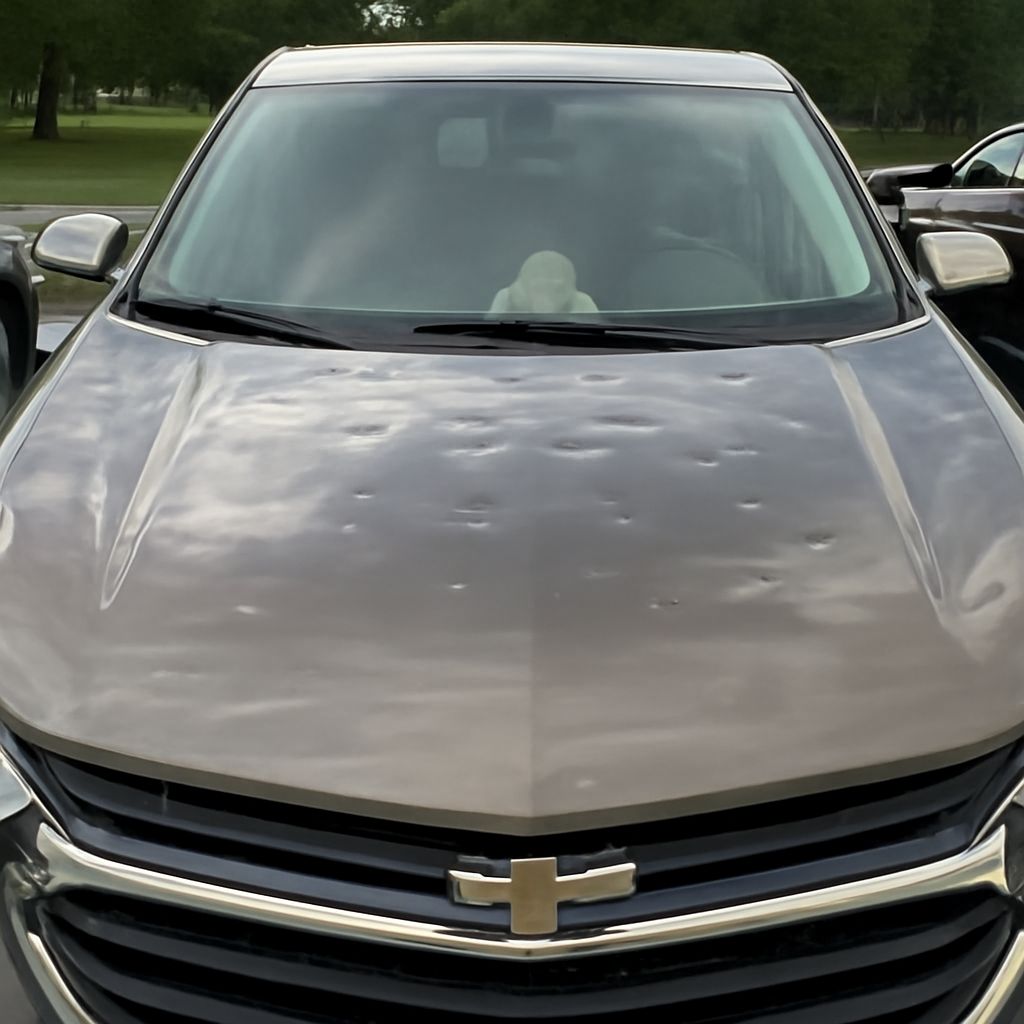
Hail is an unpredictable weather phenomenon that can cause extensive damage to any vehicle caught in its path. When hailstones hit a vehicle, they can dent the car’s body, chip the paint, and even crack windshields. The severity of the damage depends on the size and velocity of the hailstones, as well as the vehicle’s design and materials. Even a small dent can lead to rust and other issues if not promptly addressed.
Understanding how hail damage affects your car is essential for deciding on the appropriate repair strategy. Hail can impact the vehicle’s resale value and visual appeal. Moreover, if the damage is significant, it might impair the car’s structural integrity, necessitating a thorough inspection and professional evaluation.
Signs Your Car is Dented from Hail Damage
Identifying a dented car after a hailstorm is the first step toward seeking appropriate repairs. Look for visible indentations on the car’s hood, roof, and trunk. Hailstones can vary in size, leaving anything from minor dimples to large, noticeable dents.
A dented car might also exhibit chipped or cracked paint, which can expose the underlying metal to moisture and lead to rust. It’s crucial to inspect your entire vehicle thoroughly, as even minor damage can escalate over time if left unattended.
Assessing the Severity: Is Your Hail Damage Car Totaled?
Determining if your hail damage car is totaled involves evaluating the cost of repairs versus the vehicle’s market value. If the repair costs exceed the car’s value, it may be considered totaled. Insurance companies often use this determination to decide whether to repair or write off a vehicle.
To accurately assess the damage, consult a professional who can provide an estimate for repairs and help determine the extent of the damage. This information is crucial when dealing with insurance claims and deciding whether repair or replacement is the better option.
Effective Car Door Ding Repair Options
Various car door ding repair techniques can effectively restore your vehicle’s appearance. Paintless dent repair (PDR) is a popular method that involves reshaping the dented metal without affecting the paint. This technique is often used for minor damages and is known for its cost-effectiveness.
For more significant dents, traditional body shop repair may be required. This method involves sanding, filling, and repainting the damaged area. Each technique has its benefits, and the choice depends on the damage’s extent and your budget.
Preventing and Managing Car Dings
While it’s impossible to control the weather, there are measures you can take to protect your car from future hail damage. Consider using a car cover or parking in a garage during storms to minimize exposure. Regularly inspecting your vehicle for minor dings and addressing them promptly can also prevent further damage.
Maintaining good insurance coverage is another essential aspect of managing the potential costs associated with hail damage. An adequate policy can cover repair costs, ensuring peace of mind if your car suffers hail damage in the future.
Key takeaways: Understanding the nature and extent of hail damage is crucial for deciding on the right repair options. From assessing whether your car is totaled to exploring repair methods like PDR, informed decisions can protect your car’s value and appearance. Prevention and timely management of car dings are key to maintaining your vehicle’s condition.