Have you ever found yourself in a situation where your car is turning over but not starting? It can be frustrating and leave you wondering what exactly is going wrong. From electrical problems to mechanical issues, there are several reasons why your car won’t start. Understanding the possible causes can save time and money while ensuring you get back on the road swiftly.
There are various factors contributing to a car engine not turning over, and this article delves into these factors to provide clarity. We will explore common electrical problems and mechanical issues to consider when your car doesn’t crank. By the end, you’ll have the knowledge to troubleshoot effectively when your car won’t start.
Understanding the Issue: Car Turning Over But Not Starting
When a car turns over but does not start, it indicates that the engine is cranking, but the vehicle is not firing up. This distinction is crucial as it helps in pinpointing whether the issue lies within the electrical or mechanical components of the vehicle.
Typically, a car engine not turning over suggests problems beyond just battery failure, which is often the first suspect when a car won’t start. Other underlying issues could be at play, necessitating further investigation.
What Can Cause a Car Not to Start?
Several factors can cause a car not to start. Electrical problems are common culprits, such as faulty ignition systems or dead batteries. Issues like a failing starter or alternator can also lead to situations where your car won’t start.
Additionally, mechanical problems such as fuel system failures or timing belt breakdowns can prevent the engine from starting. Understanding these possible causes is key to diagnosing and resolving the issue efficiently.
Reasons Why Your Car Engine Is Not Turning Over
If your car engine is not turning over, the problem might be severe. For instance, seized engine components or severe starter motor issues can result in a car not starting. These require immediate attention to prevent further damage.
Another reason could be a dead battery, but if the engine does not crank despite a charged battery, it might indicate starter or ignition switch issues.
Why Your Car Won’t Start: Common Electrical Problems
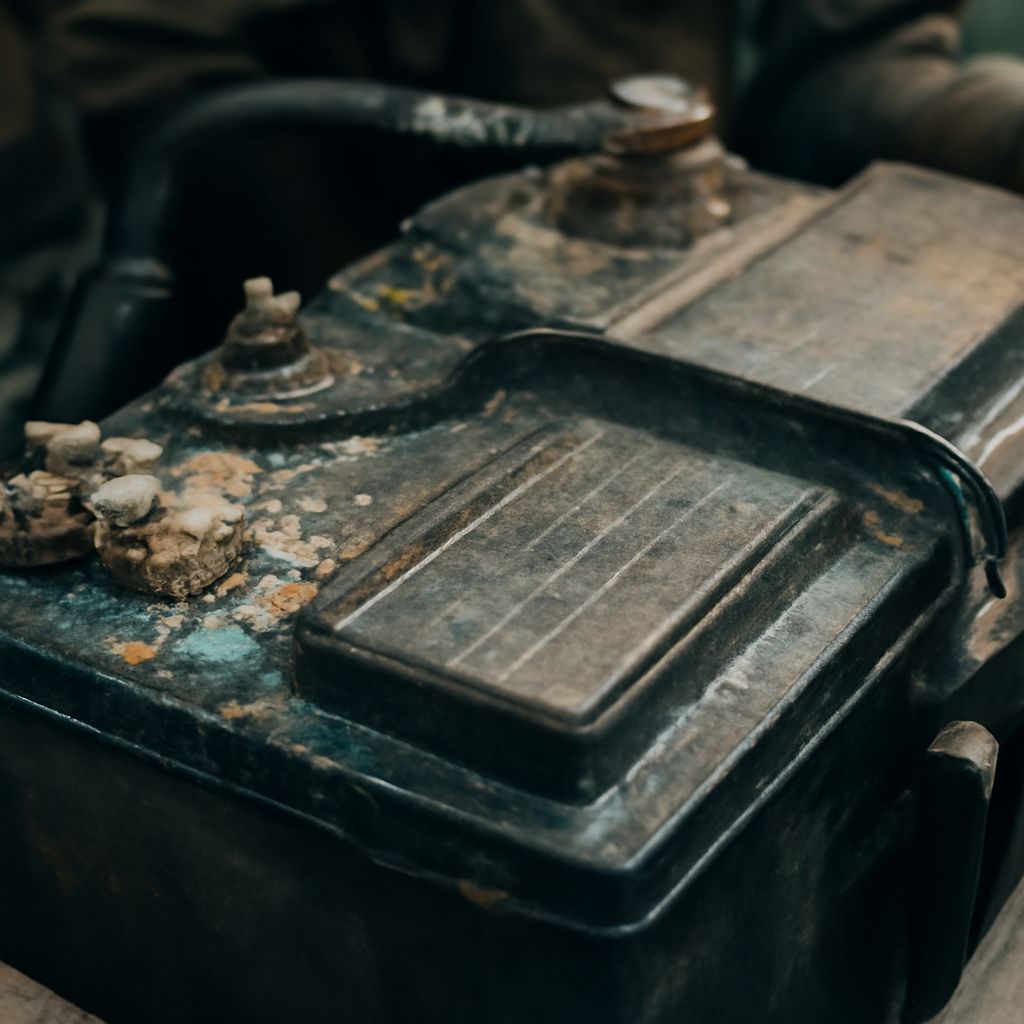
Electrical problems are often to blame when a car won’t start. A dead battery is the most obvious issue, but problems like corroded battery terminals or a faulty ignition switch can also prevent starting.
The alternator plays a crucial role in the vehicle’s electrical system, and its failure can lead to battery drainage and the car not starting. Regular checks and maintenance can help prevent these problems from occurring.
When Your Car Doesn’t Crank: Mechanical Issues to Consider
Mechanical issues can also cause a car not to crank. A broken or slipping timing belt can disrupt the engine’s operation, leading to failure to start. Similarly, fuel system problems such as a clogged fuel filter or failed fuel pump can prevent the engine from receiving the necessary fuel to start.
Regular maintenance and timely inspections can help identify these issues before they escalate into significant problems.
Troubleshooting Steps for When Your Car Won’t Start
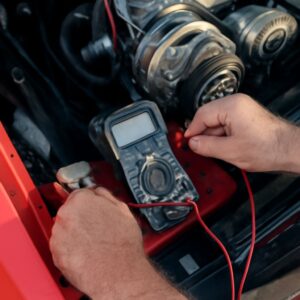
When faced with a car that won’t start, following some troubleshooting steps can be beneficial. Start by checking the battery and ensuring it is charged. Examine the spark plugs and ignition system for any apparent faults.
If the problem persists, consider inspecting the fuel system and ensuring there are no clogs or leaks. Consulting a professional may be necessary if these steps do not resolve the issue.
Pro tips recap: Regular maintenance and checks on your vehicle’s electrical and mechanical systems can prevent many common issues. When a problem arises, understanding whether it’s due to electrical faults or mechanical failures is key to effective troubleshooting. Always consider professional assistance if you’re uncertain or if the car still doesn’t start after basic checks.