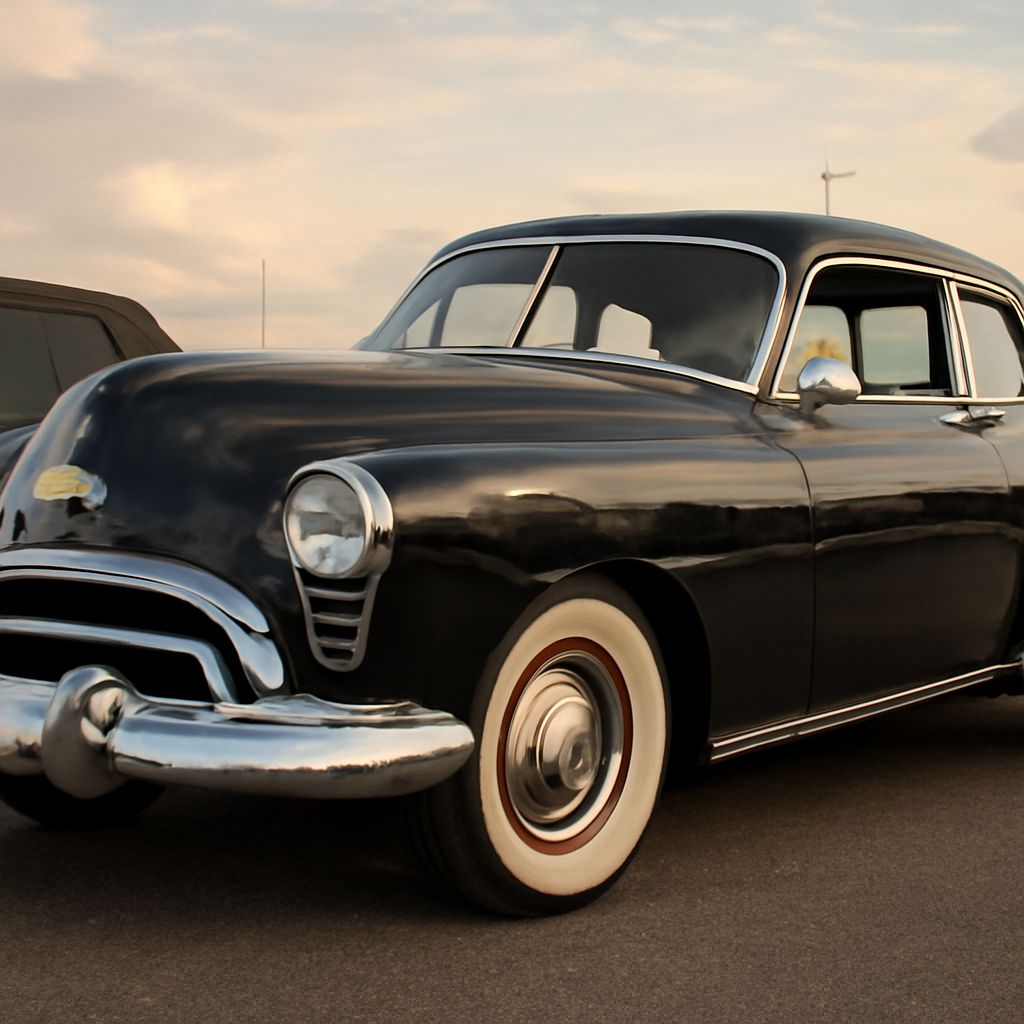
Have you ever wondered what was the first muscle car, igniting a legacy that would shape automotive culture? As modern muscle cars continue to captivate car enthusiasts, it’s essential to trace back to the origins of these powerful machines. The rally muscle car and new muscle car models demonstrate a remarkable evolution from the earlier models. But how did these vehicles earn their iconic status in the automotive world? By exploring the roots and rise of muscle cars, one can understand their persistent appeal and continued impact today.
Introduction to Muscle Cars
History and Evolution
Muscle cars made their debut in the early 1960s, quickly becoming a symbol of performance and power. These vehicles were characterized by powerful engines, often V8s, housed in mid-sized, lighter-weight bodies. Over the decades, muscle cars have evolved, adopting new technologies while preserving their core identity of raw speed and performance.
Defining Characteristics
Key features of muscle cars include high horsepower, sleek designs, and an aggressive stance. These vehicles are designed for straight-line speed, offering drivers an exhilarating experience. Modern muscle cars have retained these characteristics while integrating enhanced safety and efficiency technologies.
What Was the First Muscle Car?
The Pioneer
The 1949 Oldsmobile Rocket 88 is often credited as the first muscle car. It combined a lightweight body with a powerful V8 engine, setting a template for future vehicles. This pioneering model paved the way for the muscle car phenomenon, influencing countless models over the years.
Impact on Car Culture
The introduction of the Rocket 88 marked a significant shift in car culture, emphasizing performance and speed. It inspired a generation of automobile enthusiasts and manufacturers to prioritize horsepower, leading to the creation of a robust muscle car market.
Exploring Modern Muscle Cars
Technological Advancements
Today, modern muscle cars are equipped with sophisticated technology that enhances performance, safety, and comfort. Features such as advanced traction control, adaptive suspension systems, and infotainment options contribute to the superior driving experience of new muscle car models.
Performance Features
Modern muscle cars continue to prioritize high performance, boasting impressive horsepower and torque. Advanced engineering has allowed for better fuel efficiency and reduced emissions without sacrificing the thrill that defines these vehicles.
Comprehensive Muscle Car List
Classic Icons
Classic muscle cars such as the Ford Mustang, Chevrolet Camaro, and Dodge Charger remain timeless icons. These cars revolutionized the industry and set benchmarks for design and performance, maintaining a dedicated fanbase even today.
New Muscle Car Models
Recent entries into the muscle car category feature innovative designs and cutting-edge technology. Models like the Dodge Challenger SRT Hellcat and the Ford Mustang Mach 1 illustrate the blend of tradition and innovation that defines the new muscle car landscape.
The Rise of the Rally Muscle Car
Unique Features
Rally muscle cars represent a distinct subset, incorporating rally-inspired features and performance enhancements. They are designed to handle both smooth highways and rugged terrain, offering versatility alongside traditional muscle car power.
Why They’re Popular
The unique blend of performance and adaptability has made rally muscle cars increasingly popular. Their ability to navigate diverse driving environments while maintaining the speed and excitement associated with muscle cars appeals to a broad range of enthusiasts.
Buying Guide for New Muscle Cars
What to Look For
When purchasing a new muscle car, prospective buyers should consider factors such as engine size, horsepower, safety features, and technological offerings. Understanding personal needs and preferences will guide the decision-making process.
Making the Right Choice
Informed buyers should test drive multiple models to evaluate handling, comfort, and performance firsthand. Consulting with automotive experts and reviewing customer feedback can also provide valuable insights to make the best choice.
Key takeaways: Understanding the history and evolution of muscle cars highlights their enduring appeal. From the first muscle car to modern innovations, these vehicles continue to excite enthusiasts. By considering technological advancements and personal preferences, buyers can find a muscle car that suits their needs.