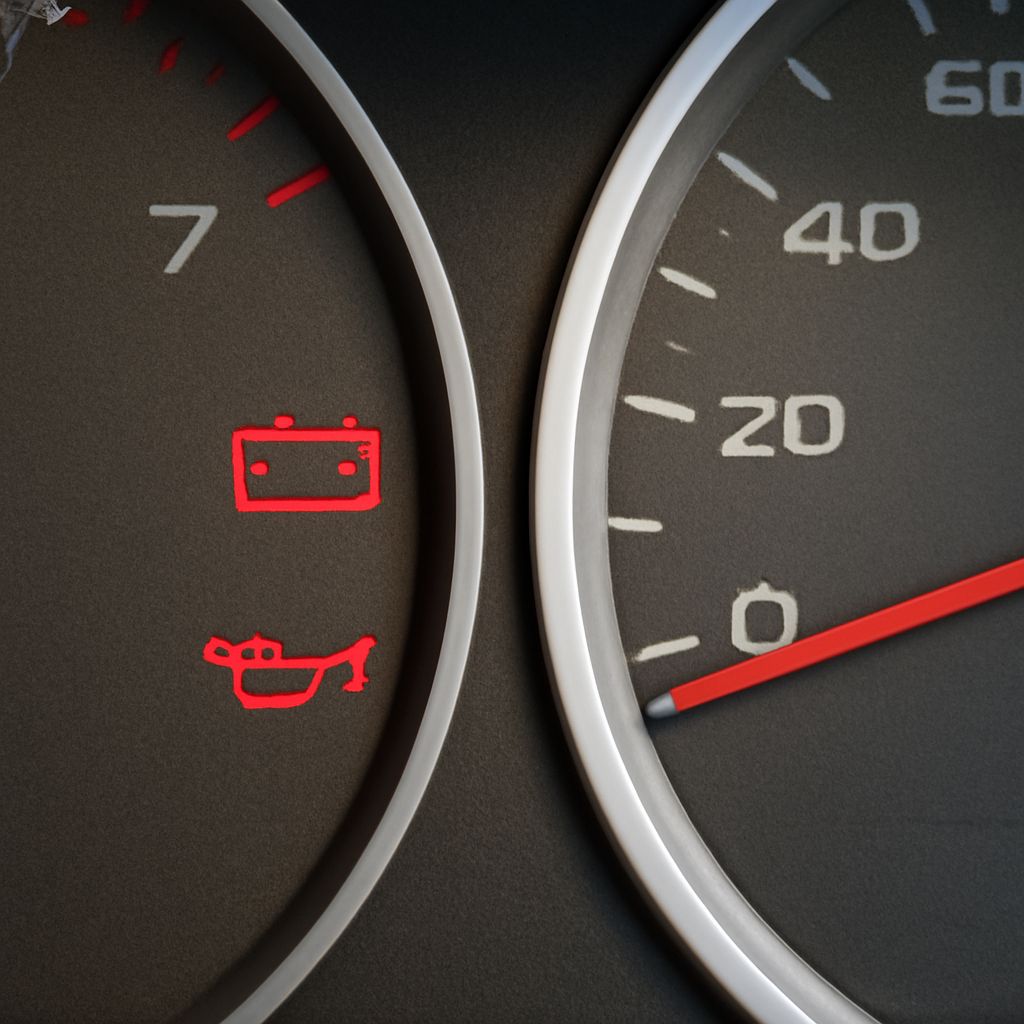
Have you ever wondered what your car oil light is trying to tell you? This small but significant indicator can reveal much about your vehicle’s health, from its car oil color to whether your car oil smells like gas. When this light illuminates, it’s crucial to understand its implications and take immediate action. Additionally, knowing how to interpret a car oil capacity chart and whether car oil expires can save you from potential mechanical problems.
By comprehending these facets, you can ensure your vehicle runs smoothly and avoid costly repairs. But what exactly causes the car oil light to turn on, and how should you respond?
What Your Car Oil Light Means
Reasons Why the Car Oil Light Turns On
The car oil light may illuminate for several reasons, primarily indicating low oil pressure or insufficient oil levels. Low oil pressure can result from worn out oil pumps or clogged oil filters. Insufficient oil levels often stem from leaks or consumption over time, which is why it’s essential to regularly check your oil level.
Immediate Actions to Take
Upon seeing the car oil light, one should immediately pull over and turn off the engine to prevent damage. Check the oil level using the dipstick. If the level is low, replenishing it might turn off the light, but be sure to investigate potential causes like leaks. If the light remains on, it may warrant a professional inspection.
Analyzing Car Oil Color
What Different Colors Indicate
Car oil color can provide insights into the engine’s condition. Fresh oil is typically amber, but dark or milky oil might suggest contamination or the need for a change. Consistent monitoring of car oil color helps in diagnosing engine issues early.
How to Check Car Oil Color
To check the color, wipe the dipstick with a white cloth or paper towel. Observe the residue; a clean amber color is normal, while a dark or gritty appearance suggests it’s time for maintenance or further analysis.
Does Car Oil Expire?
Shelf Life of Car Oil
While car oil does not have an explicit expiration date, its efficacy diminishes over time. Typically, unopened oil can last for five years, though factors such as storage conditions can affect this. Always check the manufacturer’s recommendations.
Signs of Expired Car Oil
Expired car oil might appear cloudy or have a distinct smell. Using expired oil can lead to inadequate lubrication and potential engine damage, making it vital to replace it within recommended timeframes.
Why Car Oil Smells Like Gas
Causes of Gasoline Smell in Oil
If your car oil smells like gas, it can be due to fuel mixing with oil. This may happen from frequent short journeys where the engine doesn’t reach optimal temperature, causing unburnt fuel to dilute the oil.
Solutions to the Problem
Addressing a gasoline smell involves checking for fuel system leaks and ensuring the engine reaches operating temperature. Regular maintenance and using high-quality oil can also mitigate this issue.
Understanding Car Oil Capacity Charts
Reading the Chart
Car oil capacity charts offer specific information on how much oil your vehicle requires. These charts are usually found in the vehicle manual and help determine the correct oil volume to ensure optimal performance.
Importance of Correct Oil Capacity
Utilizing the correct oil capacity is crucial for engine health. Overfilling can lead to increased pressure and leaks, while underfilling causes insufficient lubrication. Adhering to the car oil capacity chart helps maintain the right balance.