Mold inside a vehicle is more than an unpleasant smell — it poses a genuine health risk to anyone riding in the car. Knowing how to get mold out of car interiors thoroughly requires the right supplies, adequate ventilation, and patience to treat all affected surfaces. Many drivers search for how to get rid of mold in car cabins after a water leak or a window left open in rain. The full process of how to remove mold from car interior surfaces goes beyond wiping visible spots; spores embed in seat foam, carpet backing, and HVAC ducts. Anyone dealing with this problem also needs to understand how to get mold out of a car in a way that stops regrowth, not just surface cleanup. Treating how to get rid of mold in a car effectively means addressing the moisture source first.
Identify the Moisture Source
Mold cannot survive without water. Before any cleaning begins, locate where moisture entered the cabin. Common entry points include a cracked windshield seal, a clogged sunroof drain, a leaking door seal, or a faulty HVAC evaporator dripping condensation onto the floor. Check under floor mats and beneath seat foam by pressing down firmly — any squishing sensation confirms trapped water. Until the source is fixed, cleaning mold from interior surfaces will only lead to regrowth within days.
Gather Supplies and Prepare the Work Area
Effective mold removal requires:
- N95 respirator mask and nitrile gloves
- White vinegar or a commercial mold-specific interior cleaner
- Stiff-bristle brush and a softer upholstery brush
- Wet/dry vacuum with a HEPA filter
- Microfiber cloths
- Portable fan or dehumidifier
Work outdoors or in a well-ventilated garage with all doors open. Direct sunlight reaching the interior during and after treatment accelerates drying and kills surface spores naturally through UV exposure.
Cleaning Hard Surfaces and Glass
Hard plastic trim, door panels, and glass are the easiest surfaces to treat when figuring out how to remove mold from car interior components. Apply undiluted white vinegar or an approved mold cleaner with a microfiber cloth, scrub the affected area, then wipe dry. Pay attention to crevices around seat tracks and trim pieces where spores collect. For glass, a standard automotive glass cleaner used after the vinegar treatment removes streaking.
Treating Upholstery and Carpet
Fabric Seats
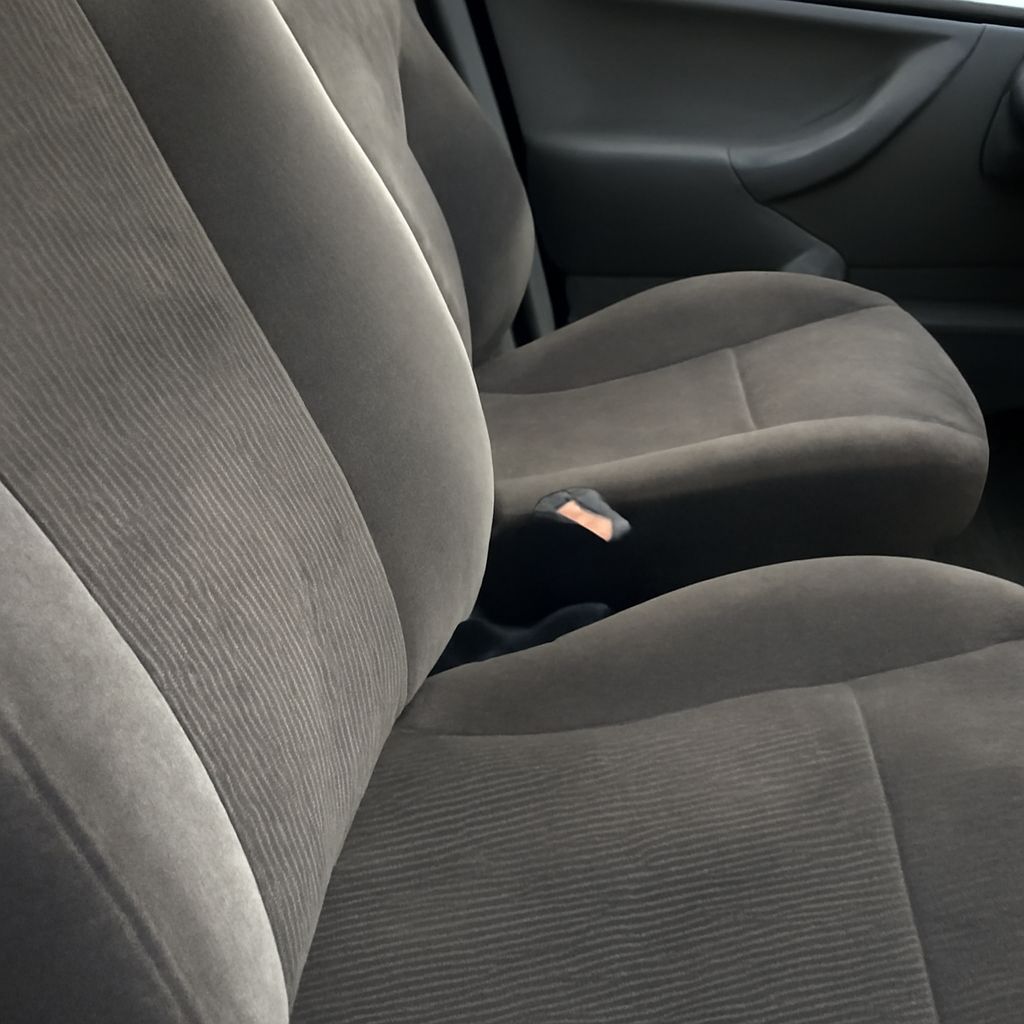
Spray vinegar solution directly onto moldy fabric and let it sit for 10 minutes. Scrub with an upholstery brush using overlapping strokes, then extract moisture with the wet/dry vacuum. Repeat if discoloration remains. Baking soda dusted onto damp upholstery after cleaning draws out residual moisture overnight; vacuum it off the next day.
Carpet and Floor Mats
Remove floor mats and clean them separately. Saturate moldy carpet with the cleaning solution, agitate with the stiff-bristle brush, and vacuum thoroughly. If carpet padding under the mats is wet, it must be dried completely — or replaced if mold has penetrated through. A portable dehumidifier left in the sealed vehicle overnight pulls remaining moisture from the cabin.
Treating the HVAC System
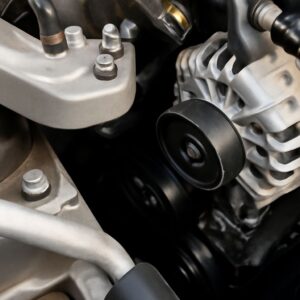
The cabin air filter is frequently colonized by mold when moisture builds up in the evaporator housing. Replace the cabin air filter as a standard step whenever dealing with interior mold. Then spray an HVAC-safe antimicrobial treatment through the fresh-air intake vent (usually near the base of the windshield) with the system running on fresh-air mode and high fan speed. This coats the evaporator fins and duct walls where mold spores travel during normal operation.
Key takeaways: Fix the moisture source before cleaning, or mold returns within days. Treat all surfaces — fabric, carpet, hard trim, and HVAC ducts — not just visible spots. Thorough drying after treatment is as important as the cleaning agents used.