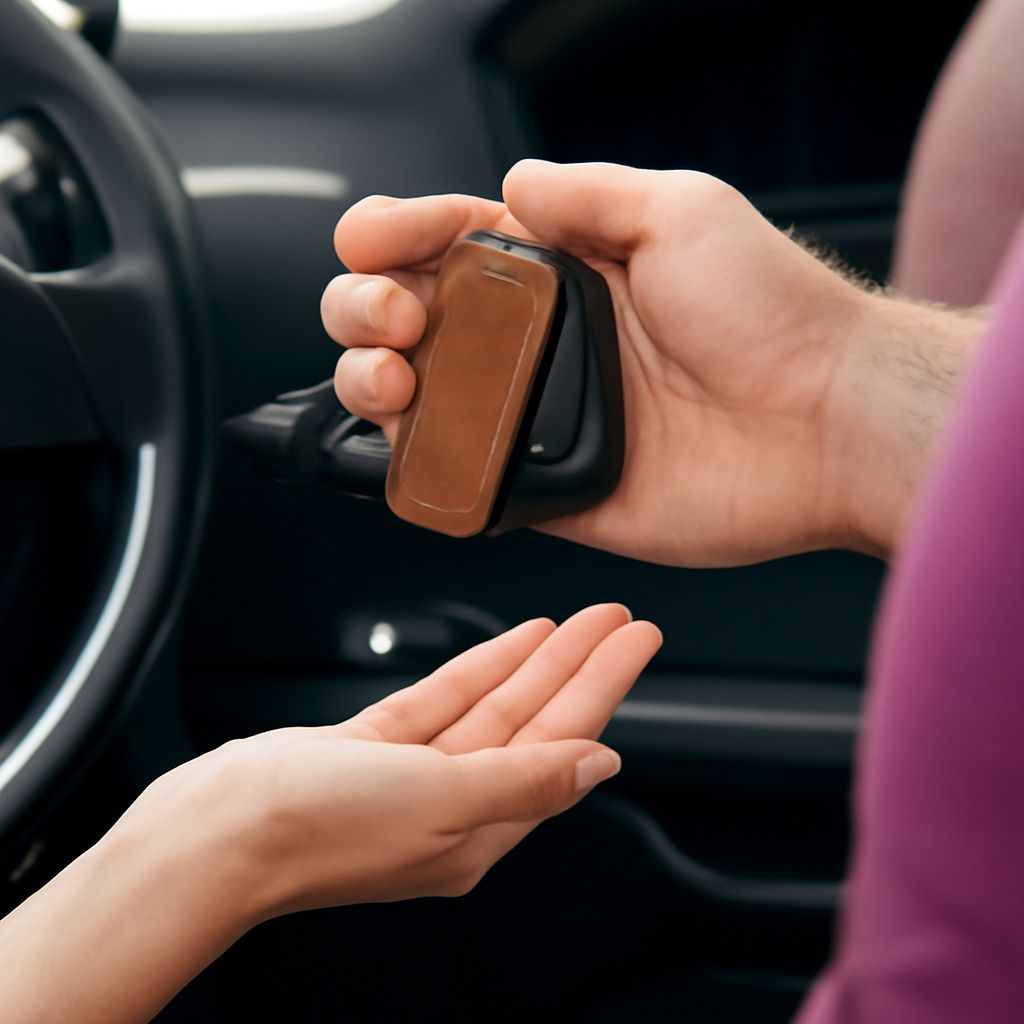
How to buy a car out of state is a question that comes up whenever a buyer finds the right vehicle at a price that justifies the extra logistics. Buying a car from another state opens up a much larger inventory compared to shopping locally, which is a real advantage for specific models, colors, or trim levels that are hard to find nearby. Buy car out of state transactions follow the same basic steps as any vehicle purchase, but they add layers involving taxes, registration, and transportation. How to buy car out of state without complications comes down to doing the research before committing. Buying an out of state car also requires more careful documentation because the paperwork crosses state lines and involves two different DMV systems.
This guide covers the process from finding the vehicle to registering it at home.
Research and Find the Right Out-of-State Vehicle
Using Online Listings and Vehicle History Reports The search for an out-of-state vehicle starts online. National listing platforms aggregate inventory from dealers and private sellers across all states. Once a specific vehicle is identified, pulling a vehicle history report using the VIN reveals accident history, prior ownership, odometer readings, and title status. A clean history report does not guarantee the vehicle’s condition, but a problematic one is a clear reason to walk away without spending more time or money. For any vehicle worth seriously considering, arranging a pre-purchase inspection by a local mechanic near the seller is worth the fee. This step catches mechanical issues before the buyer commits.
Verifying the Seller and Dealership
For dealer purchases, verify the dealership is licensed in its state by checking with the state’s motor vehicle dealer licensing authority. Licensed dealers carry surety bonds and are subject to state consumer protection regulations. Private sellers require more due diligence. Confirm the seller’s identity matches the name on the title. Be cautious of sellers who ask for payment before providing documentation or who cannot meet in person.
Understanding Taxes and Registration When You Buy Car Out of State
Taxes are paid in the buyer’s home state, not the state of purchase, in almost all cases. Buying a car from another state does not mean paying double taxes. The dealer or private seller collects no sales tax on behalf of the buyer’s state. When the buyer registers the vehicle at home, the home state DMV collects the applicable sales tax based on the purchase price. Some states charge a flat registration fee while others base it on the vehicle’s value or weight. It’s also worth checking whether the home state has any specific requirements, such as an emissions inspection, before the vehicle can be registered.
Arranging Payment and Paperwork
Title Transfer Across State Lines The seller signs the back of the title to transfer ownership. For a dealer sale, the dealer provides a manufacturer’s certificate of origin for a new vehicle or a properly assigned title for a used one. The buyer should also receive a bill of sale, which documents the purchase price and serves as proof of transaction for the home state DMV. Some states require the title to be notarized. Confirm the home state’s requirements before traveling to pick up the vehicle.
Temporary Permits and Transit Tags Most states require a vehicle to be plated to drive on public roads. For buying an out of state car, the dealer or state DMV typically issues a temporary transit tag or permit valid for 30 to 90 days. This gives the buyer time to register the vehicle at home. Private sellers in some states can also obtain transit permits through the DMV. Drive home with the temporary permit displayed visibly as required by state law.
Transporting or Driving the Vehicle Home
Driving the vehicle home is the simplest option if the distance is manageable. Arrange insurance coverage before taking possession. Most home-state auto policies can be extended to cover a newly purchased vehicle for a short grace period, but confirming this with the insurer before the trip is the right move. For longer distances or when the vehicle has mechanical concerns, hiring an enclosed or open transport carrier is practical. Auto transport costs vary by distance and carrier type, typically ranging from $500 to $1,500 for cross-country shipping.
Registering Your Out-of-State Purchase Locally
Once home, registering an out-of-state purchase follows the standard process at the home DMV. Bring the assigned title, bill of sale, proof of insurance, and any required inspection certificates. Pay the applicable taxes and registration fees. The DMV issues new plates and a title in the buyer’s name. How to buy a car out of state concludes at this step. The entire process from purchase to final registration typically takes two to four weeks when paperwork is in order.
Next steps: Before traveling to see an out-of-state vehicle, get it inspected locally and pull a history report. Confirm tax and registration requirements with the home-state DMV before closing the deal. Arrange insurance and a transit permit before driving the vehicle off the lot or completing the private sale.