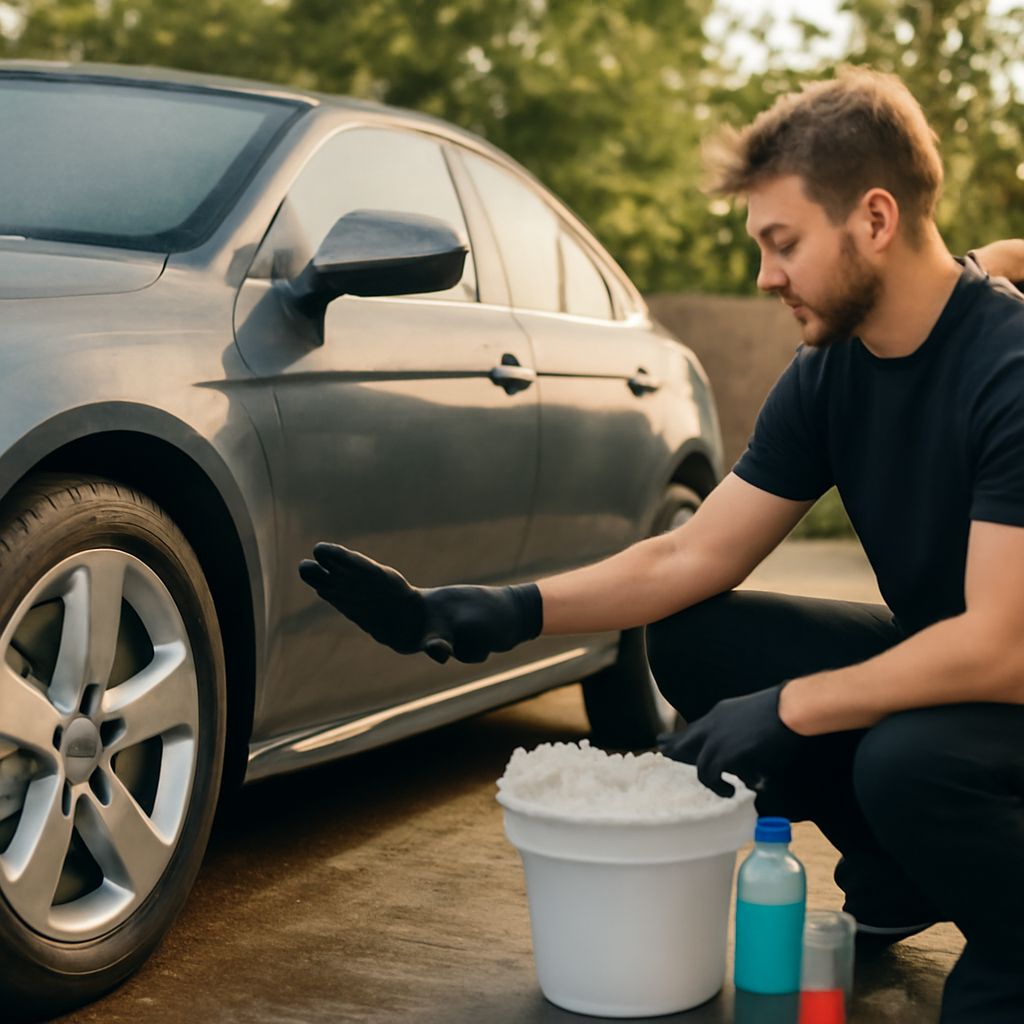
Most people wash their car occasionally, but few invest in a thorough clean that goes beyond the surface. Car detailers do far more than a standard wash — they clean, restore, and protect every surface of a vehicle, inside and out. Understanding what the process involves helps owners choose the right service level and get the most value from each appointment.
The difference between a basic wash and professional car detailing comes down to depth, products, and time. A quality car detailing service can take four to eight hours for a full detail on a standard sedan. Car exterior detailing covers paint correction, protective coatings, and trim restoration that a regular wash simply cannot replicate. Even a car pool detail — a group booking that covers multiple vehicles at once — applies the same professional standards to each one.
What the Exterior Detail Covers
The exterior phase of any professional detail starts with a pre-wash to remove loose debris, followed by a two-bucket hand wash using ph-neutral soap. After drying, detailers inspect the paint surface for contamination, scratches, and oxidation.
Paint Decontamination and Correction
Iron fallout from brake dust bonds to paint and cannot be removed by washing alone. A clay bar or chemical decontamination step removes these particles before any polishing begins. Paint correction uses machine polishers with progressively finer compounds to remove swirl marks and light scratches. This step alone separates genuine car exterior detailing from a wash-and-wax service.
Protective Coatings
Once the paint is corrected, a protective layer goes on. Options range from traditional carnauba wax, which lasts weeks, to synthetic polymer sealants that last several months, to ceramic coatings that bond chemically to the paint and last years. The right choice depends on the owner’s budget and how long they plan to keep the vehicle.
Interior Detailing Standards
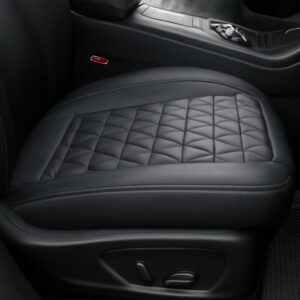
Interior work covers every surface a passenger can see or touch. Vacuuming removes loose material from carpet, seats, and crevices. Steam cleaning or hot-water extraction lifts embedded dirt from fabric upholstery. Leather surfaces are cleaned with a ph-balanced cleaner and then conditioned to prevent cracking.
Dashboard, door panels, and center console trim are cleaned with appropriate products for each material — plastic, vinyl, wood trim, and brushed metal each require a different approach. Glass is cleaned on both sides using a streak-free method that prevents hazing from rear defroster lines.
Choosing the Right Car Detailing Service
Detailing services range from mobile operators who come to a home or office, to fixed-location shops with climate-controlled bays, to dealership add-on packages. The environment matters: a shop with controlled lighting and temperature allows detailers to see paint defects that outdoor conditions hide.
When selecting car detailers, asking for a clear list of included services and the products used is standard practice. The distinction between a maintenance detail and a full correction detail is significant in both price and outcome. A maintenance detail keeps a well-kept car clean; a correction detail restores a neglected one.
Car Pool Detail: Group Bookings and Fleet Services
A car pool detail arrangement allows multiple owners to book together, often at a reduced per-vehicle rate. This model works well for neighbors, colleagues, or families with several vehicles. Fleet operators — companies managing service vehicles, rental cars, or delivery vans — use the same approach to maintain consistent appearance standards across a large number of units.
Fleet detailing schedules are typically set on a monthly or quarterly basis, with maintenance packages designed to keep vehicles presentable between deeper cleans.
Bottom line: The value of professional car detailing comes from the combination of specialized products, trained technique, and the time invested in each vehicle. Owners who detail regularly spend less on paint correction over time, since preventing damage costs far less than reversing it.