When something feels wrong with a vehicle, most drivers want answers before spending money at a shop. The ability to diagnose car problems accurately saves time, reduces unnecessary repairs, and gives owners more confidence when talking to technicians. Whether the symptom is a strange noise, a warning light, or a change in performance, a structured approach makes the process manageable.
Effective car problem diagnosis starts with observation. Before reaching for a tool or using an online car diagnostic service, writing down when the symptom occurs, under what conditions, and how long it has been present produces more useful information than guessing. A car symptom checker works best when the inputs are accurate. Knowing how to diagnose my car methodically prevents the common mistake of chasing the wrong system entirely.
Reading Dashboard Warning Lights
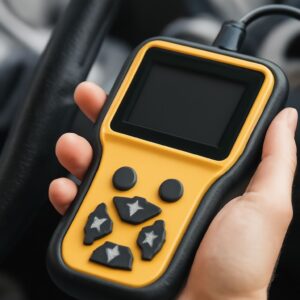
Modern vehicles use onboard diagnostics (OBD-II) to monitor hundreds of parameters. When a fault is detected, the system stores a diagnostic trouble code and triggers a warning light. Reading these codes with a basic OBD-II scanner is the starting point for any electronic diagnosis.
What the Codes Mean
Codes follow a standard format: the first character indicates the system (P for powertrain, B for body, C for chassis, U for network), followed by four digits. A P0300 code, for example, points to a random misfire. The code narrows the system but does not always identify the failed component directly.
Clearing Codes Safely
Clearing a code without fixing the underlying cause brings the light back within a short drive. Clearing before a state inspection also resets the readiness monitors, which may cause the vehicle to fail even if nothing is currently wrong. Fix first, clear second.
Diagnosing by Sound and Feel
Many mechanical faults produce distinctive sounds before they cause a warning light. A grinding noise when braking usually means worn brake pads. A knocking sound at idle that worsens under load points toward engine bearing wear. A clicking noise during turns often comes from a worn CV axle joint.
Vibration through the steering wheel at highway speed typically indicates a wheel balance problem. Vibration that appears only when braking points toward warped rotors. Matching the symptom to the condition when it appears narrows the diagnosis considerably.
Using an Online Car Diagnostic Tool
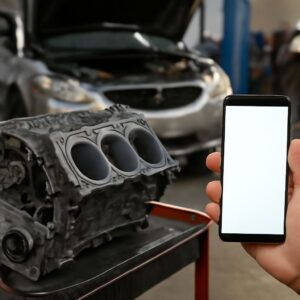
Several platforms now allow vehicle owners to enter symptoms, mileage, make, and model to receive a list of probable causes ranked by likelihood. An online car diagnostic service of this type works as a reference, not a replacement for physical inspection. The results are useful for understanding what to ask a technician or for prioritizing which system to inspect first.
Many OBD-II Bluetooth adapters pair with smartphone apps that provide live sensor data alongside code reading. Monitoring live data, such as coolant temperature, fuel trim, and oxygen sensor voltage, gives a more complete picture than stored codes alone.
When to Take It to a Professional
Home diagnosis works well for understanding a problem but has clear limits. Brake system faults, steering component wear, and airbag system codes require hands-on inspection by someone with the right equipment. An online car diagnostic platform can identify a probable cause, but a technician performing a physical inspection on a lift will catch things no software can see.
Signs That Require Immediate Professional Attention
- Loss of brake pressure or spongy pedal feel
- Steering pulling sharply to one side
- Smoke from under the hood
- Fluid leaking from brake lines
Pro tips recap: Start every diagnosis with OBD-II code retrieval before replacing parts. Match symptoms to the exact conditions when they occur. Use a car symptom checker as a research tool, not a final verdict. Physical inspection by a trained technician remains the standard for any safety-related system, and documenting all symptoms in writing makes every shop visit more efficient.