A vehicle that cranks slowly or hesitates before firing is sending a clear signal that something in the starting circuit or fuel system needs attention. When a car taking longer to start becomes a regular pattern rather than an isolated incident, the underlying issue is unlikely to resolve itself. The range of possible causes runs from a weak battery to a failing fuel pump, and pinning down the correct one early saves both time and money. For drivers who have noticed that the car takes a while to start particularly on cold mornings or after the vehicle has sat for several days, the cause often differs from the same symptom appearing during hot weather or after the engine is already warm.
Not every slow start points to the same system. The starter motor, battery, alternator, fuel pressure, and engine sensors all interact during the starting sequence, and a marginal failure in any of them can make the car takes longer to start without triggering a warning light. Understanding how to make your car last longer includes addressing these early warning signs before they become full failures, which generally cost more to repair. Knowing how to start a car without a key fob is useful background knowledge for situations where electronic systems complicate an otherwise straightforward diagnosis.
Battery and Charging System
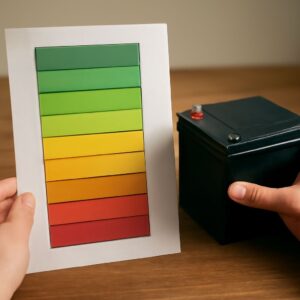
Battery Condition The battery is the first component to check when a car taking longer to start appears. A battery that tests below 12.4 volts at rest or drops significantly under load is likely at the end of its service life. Most batteries last three to five years; cold climates accelerate degradation. Battery testing takes under five minutes at most auto parts stores and is typically free. A battery that passes a voltage test but fails a load test needs replacement despite the surface reading.
Alternator Output A battery that keeps dying points to the alternator rather than the battery itself. The alternator charges the battery while the engine runs; if output is low, the battery enters each start cycle already partially depleted. An alternator output test measures voltage at the battery terminals while the engine runs — healthy output reads between 13.5 and 14.8 volts. Readings below that range indicate alternator wear or a failing voltage regulator.
Fuel System Issues
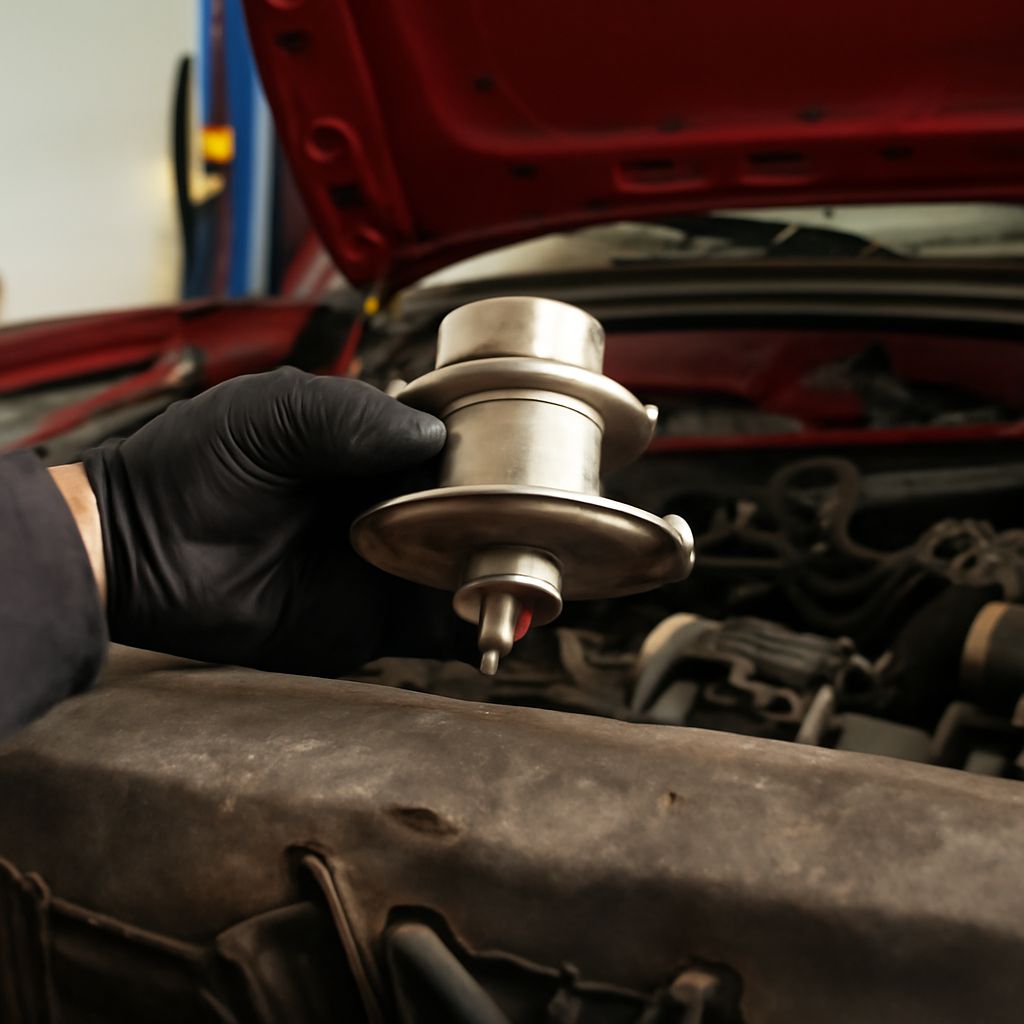
When the car takes a while to start specifically after sitting overnight or for several hours, a leaking fuel pressure check valve is a frequent cause. This valve holds pressure in the fuel rail after the engine shuts off so fuel is immediately available on the next start. A leaking valve allows pressure to bleed down, requiring additional cranking time to rebuild pressure before combustion can occur. Replacing the fuel pressure regulator or check valve — depending on the system design — corrects this without a full fuel pump replacement in many cases.
A weakening fuel pump produces a similar symptom but typically worsens progressively and may also produce hard starting under load or stumbling at highway speeds. Fuel pressure testing at the rail during cranking confirms whether the pump output is within specification for that vehicle.
Sensor and Ignition Factors
Crankshaft position sensors that are beginning to fail often produce intermittent extended cranking before starting. The sensor provides the engine control module with the precise rotational position needed to time fuel injection and spark; a weak signal causes delayed firing. Camshaft position sensors produce similar symptoms. Both store fault codes when they fail within a detectable range, but marginal sensors may not trigger a check engine light during early degradation.
Spark plugs worn beyond their service interval require more voltage to fire and can extend cranking time, particularly on cold starts. Most manufacturers recommend plug replacement every 60,000 to 100,000 miles depending on plug type. A plug that is fouled with oil or carbon deposits fails earlier and should be replaced along with addressing the source of contamination.
When Professional Diagnosis Makes Sense
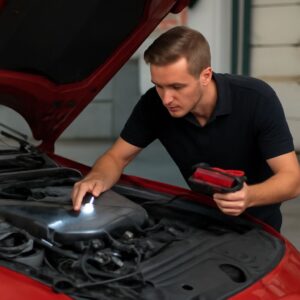
Intermittent extended cranking that does not reproduce consistently can be difficult to catch during a shop visit. Leaving a scan tool connected during regular driving captures live sensor data during the event, which helps a technician identify which system is marginal. Shops with oscilloscopes can also capture starter motor current draw during cranking, revealing whether the starter itself is drawing more current than normal — a sign of internal wear that precedes full failure.
Key takeaways: Start diagnosis with the battery and charging system before moving to fuel pressure and sensors. Address a car taking longer to start as a progressive warning rather than waiting for complete failure. Periodic maintenance of plugs, filters, and battery connections is the most reliable way to keep reliable starting throughout the vehicle’s life.