Does it really matter how you drive during the first few hundred miles? For anyone asking how to break in a new car, the short answer is yes. Breaking in a new car properly during those early miles sets the tone for engine longevity, fuel efficiency, and overall performance. Whether you’re behind the wheel of a compact sedan or a full-size truck, knowing how to break in a car the right way is one of the most practical steps a new owner can take.
The engine, transmission, and other mechanical components need time to seat correctly. Breaking in new car habits early, like avoiding sustained high RPMs and varying your driving speed, gives metal parts the chance to mesh and wear to their optimal tolerances. Skipping this stage doesn’t cause immediate failure, but it can shorten the engine’s service life over time.
Why the Break-In Period Matters
Modern manufacturing is precise, but microscopic surface irregularities still exist on cylinder walls, piston rings, and bearing surfaces. During the first 500 to 1,000 miles, those surfaces gradually conform to one another under controlled heat and pressure. Driving aggressively too soon can trap debris between surfaces or cause uneven wear that becomes permanent.
Oil plays a critical role here. Fresh engine oil during the break-in phase carries away metallic particles from the seating process. Many manufacturers recommend an early oil change at 1,000 miles specifically to flush that contaminated oil before it circulates and causes further wear.
Speed and RPM Guidelines to Follow
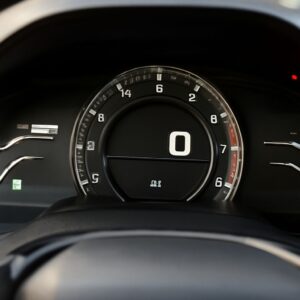
The most consistent advice from automotive professionals is to keep engine RPMs below 3,500 for the first 500 miles. After that threshold, you can gradually increase load and speed, but sudden full-throttle acceleration should wait until at least 1,000 miles.
- Keep highway speeds below 55 mph for the first 500 miles if possible.
- Avoid cruise control for extended periods, since varying speed helps seat components more evenly.
- Use light to moderate braking to allow brake pads and rotors to bed in properly.
- Avoid towing or hauling heavy loads during this period.
Common Mistakes to Avoid
Running the Engine Hard from the Start
Some drivers assume modern vehicles don’t require careful early use. That assumption ignores how piston rings and valve seats still need gradual seating. Pushing the engine hard in the first 200 miles can create micro-scoring on cylinder walls that never fully heals.
Idling for Long Periods
Extended idling during break-in can be just as problematic as aggressive driving. At idle, oil pressure drops and cylinder temperatures stay low, which prevents proper ring seating. Short warm-up periods of one to two minutes are enough before driving gently.
Skipping the First Oil Change
Delaying the first scheduled oil change after break-in means leaving metal particles circulating through the engine longer than necessary. Following the manufacturer’s service interval for the initial change directly supports long-term engine health.
Transmission and Drivetrain Considerations
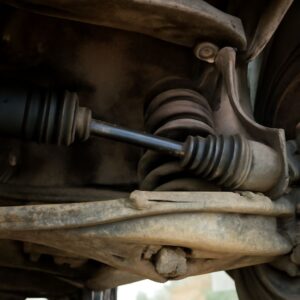
The engine is not the only system that benefits from careful early use. Manual transmission synchros, differential gears, and wheel bearings also undergo seating during initial miles. For manual transmission vehicles, smooth, deliberate shifts and avoiding heavy clutch slippage help gears mesh correctly.
All-wheel-drive and four-wheel-drive systems also benefit from varied speed and load cycling during break-in, allowing transfer case and differential components to distribute wear evenly.
When the Break-In Period Ends
Most manufacturers define the break-in period as the first 1,000 to 1,500 miles. After that point, normal driving habits, including highway speeds and periodic spirited acceleration, are generally acceptable. Consulting the owner’s manual for the specific vehicle provides the most accurate guidance.
Pro tips recap: Keep RPMs modest and speed varied during the first 1,000 miles. Change the oil at or before the manufacturer’s first recommended interval. Avoid heavy loads, extended idling, and sustained high-speed cruising. These straightforward habits during the early ownership period pay dividends in engine durability and drivetrain reliability for years afterward.