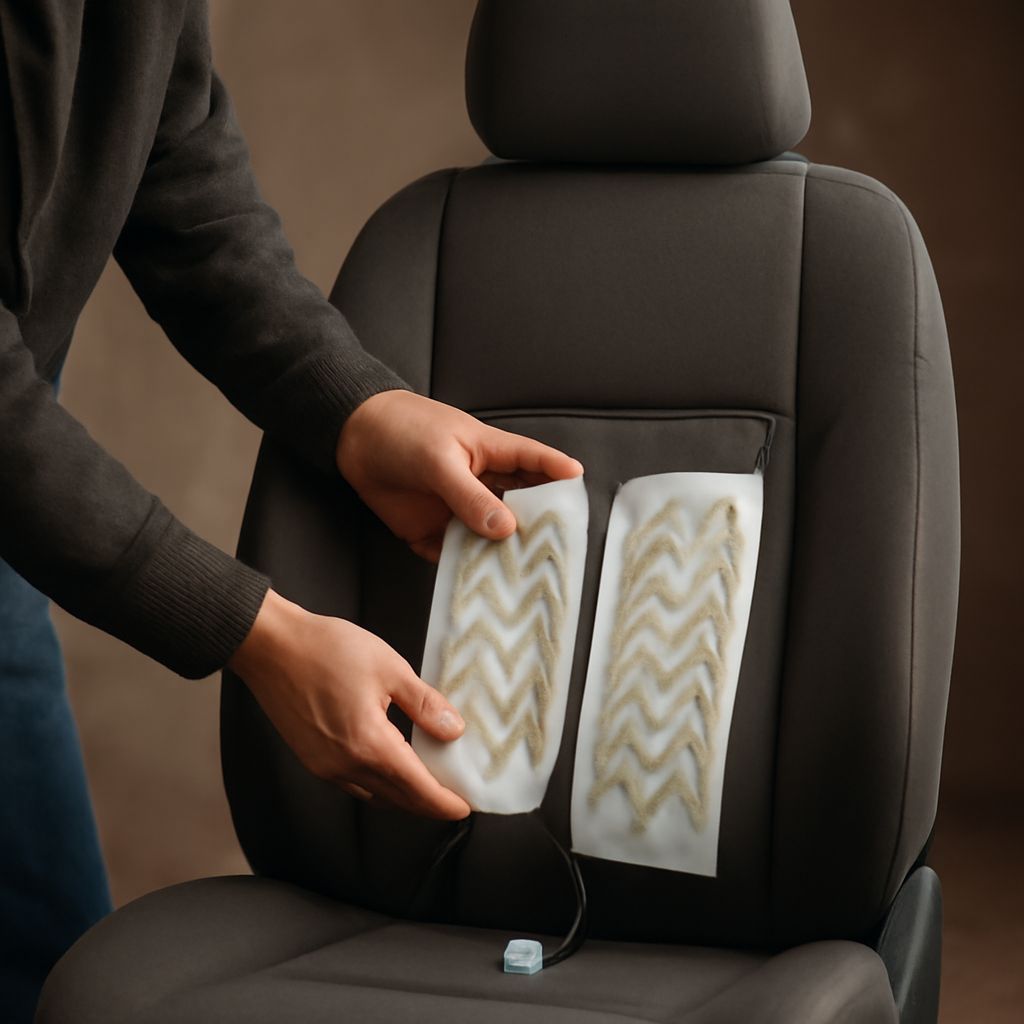
Cold mornings make a heated seat for car owners one of the most appreciated upgrades available. Whether a vehicle came without factory heating or the existing elements have stopped working, car seat heaters offer a practical way to add warmth without replacing the entire seat. Car seat heaters range from simple plug-in pads to full wiring harness kits, so matching the right product to the right situation matters before spending money or labor time.
A heated car seat pad is the simplest entry point: it sits on the seat surface and draws power from the 12-volt outlet. A car seat heater kit goes further, embedding heating elements directly into the seat upholstery for a factory-finished result. Both approaches have clear trade-offs in cost, installation difficulty, and long-term comfort.
Types of Car Seat Heaters Available
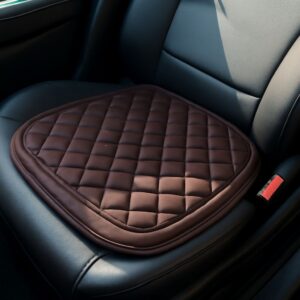
Plug-in heated pads connect to the accessory outlet and sit on top of the existing upholstery. They work immediately with no installation, but they can shift around during driving and the power cord across the seat is a minor inconvenience. These units suit rental vehicles, company cars, or situations where a permanent modification is not practical.
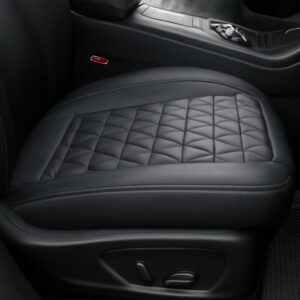
Panel-style car seat heaters mount beneath the seat cover using adhesive or straps. They draw power from the vehicle’s fuse box and include a rocker switch mounted on the dash or center console. This type delivers more even heat distribution than a surface pad and stays in place regardless of movement.
Full car seat heater kit systems integrate heating elements into both the seat bottom and backrest, mimicking the factory setup found in premium vehicles. These kits include wiring harnesses, thermostats, and dedicated switches. Installation requires partial disassembly of the seat, but the finished result is indistinguishable from a factory-equipped heated seat.
What to Check Before Installing
Seat material affects which type of heated seat for car fits best. Leather and vinyl transfer heat efficiently to the occupant. Thick foam or heavily padded seats may insulate against the heating element, reducing the felt warmth. Verify that the seat foam thickness falls within the product’s recommended range before purchasing a heated car seat pad or wiring kit.
Power draw is another consideration. A single heating element typically consumes between 40 and 80 watts. Two seats running simultaneously on the same circuit can approach the fuse rating for the accessory circuit. Adding car seat heaters to an already loaded electrical system without checking available amperage can cause repeated fuse failures.
Installation Overview for Wired Kits
Installing a wired car seat heater kit starts with removing the seat from the vehicle, which usually involves four bolts and disconnecting any wiring connectors for existing seat functions. The heating element panels attach to the seat foam using contact adhesive. The seat cover is then reinstalled over the elements, and the wiring routes under the seat to the vehicle’s fuse box.
Most professional installations take one to two hours per seat. DIY installers with basic electrical knowledge can complete the job in an afternoon, though access to a wiring diagram for the specific vehicle simplifies routing the power lead and locating a suitable switched power source.
Key Takeaways
Car seat heaters come in three main forms: surface pads, under-cover panels, and full wiring kits, each suited to different needs and budgets. A heated car seat pad costs the least and installs in seconds, while a car seat heater kit delivers permanent, factory-quality results at higher cost and installation effort. Checking seat material, available power, and wiring complexity before purchasing prevents mismatches that waste time and money.