Do you need to warm up your car before driving in winter? The short answer depends entirely on when the vehicle was built. For engines made before the late 1980s that relied on carburetors, sitting at idle for several minutes was genuinely necessary. Do you have to warm up your car if it was built in the last thirty years with fuel injection? The mechanical answer is no, though it takes a moment of driving to understand why.
Is warming up your car a myth has become a recurring question as fuel injection became standard. The myth has a real origin: older technology needed warm oil and warm air-fuel ratios before driving made sense. Warming up car in winter still helps comfort and defrosts windows, but it does not improve outcomes for the engine the way drivers have long assumed. Whether it is necessary to warm up your car before driving a modern vehicle is a matter of efficiency, not engine protection.
The Origin of the Warm-Up Myth
Carbureted engines mixed fuel and air mechanically through a venturi system that worked poorly when cold. Rich mixture conditions caused rough idling, hesitation, and stalling until the engine reached a threshold temperature. Idling for five to ten minutes resolved those symptoms. The practice carried forward as common knowledge long after the underlying technology changed. Fuel injection systems, standard on most vehicles since the early 1990s, use sensors and computers to adjust the fuel-air ratio instantaneously regardless of temperature, eliminating the mechanical need for idle warm-up.
What Modern Engines Actually Need
A fuel-injected engine needs oil pressure established and oil circulating to all moving parts. That happens within seconds of starting. Oil temperature rises faster under light load while driving than it does at idle. Driving gently for the first few minutes, below 3,000 rpm with smooth acceleration, accomplishes what a prolonged idle does not: it warms the transmission fluid, the wheel bearings, and the catalytic converter simultaneously. Do you need to warm up your car for mechanical reasons with a modern engine? No. The engine is ready to drive within 30 seconds of starting in moderate cold.
Warming Up Car in Winter: Cold Weather Reality
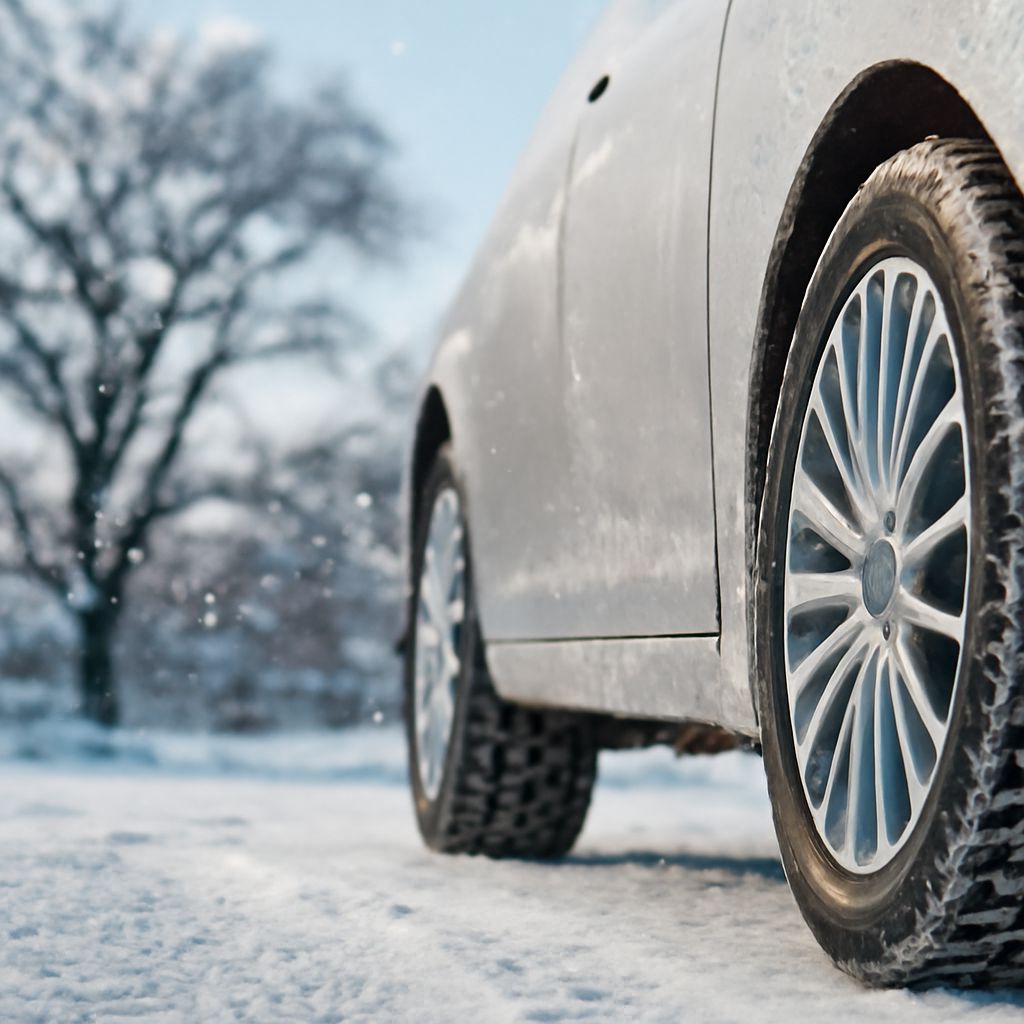
Warming up car in winter serves one genuine purpose beyond personal comfort: giving the defroster time to clear ice and condensation from the glass. Safety requires clear sightlines. Running the engine for 60 to 90 seconds before pulling out allows the defroster to begin working and gives the cabin temperature a head start. Idling for longer than two minutes in temperatures above freezing produces no mechanical benefit and wastes fuel. In very cold climates, below minus 20 Fahrenheit, a brief idle of two to three minutes gives the oil a moment to thin before load is applied, but driving at low speed accomplishes the same thing.
How Long Is Actually Needed Before Driving
Most automotive engineers and service professionals recommend starting the engine, clearing the windows, and driving calmly within 30 to 60 seconds in temperatures above 20 degrees Fahrenheit. The engine warms to operating temperature twice as fast under light driving load than at idle. Is it necessary to warm up your car before driving for more than two minutes in any modern vehicle without a mechanical fault? No engineering evidence supports it. The practice extends warm-up time beyond what any fuel-injected engine needs.
Fuel Economy and Engine Wear Implications
Extended idling burns fuel without moving the vehicle, producing lower effective fuel economy across the full trip. Cold idling also runs slightly richer fuel mixtures to maintain idle stability, which over time can deposit light carbon in the combustion chamber. Do you have to warm up your car at the expense of fuel economy and minor wear accumulation? The tradeoff does not favor the driver. A vehicle idled five minutes each morning in winter burns roughly two to three gallons of fuel per month doing nothing productive for the engine.
Pro tips recap: Start the engine, clear ice from all glass, and drive calmly below 3,000 rpm for the first two miles. That approach warms the engine faster than idling, saves fuel, and produces no additional wear. Reserve longer idle time for extreme cold below minus 20 Fahrenheit or when the defroster needs extra time to clear significant ice buildup.