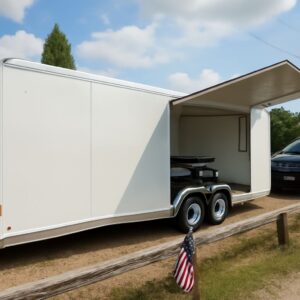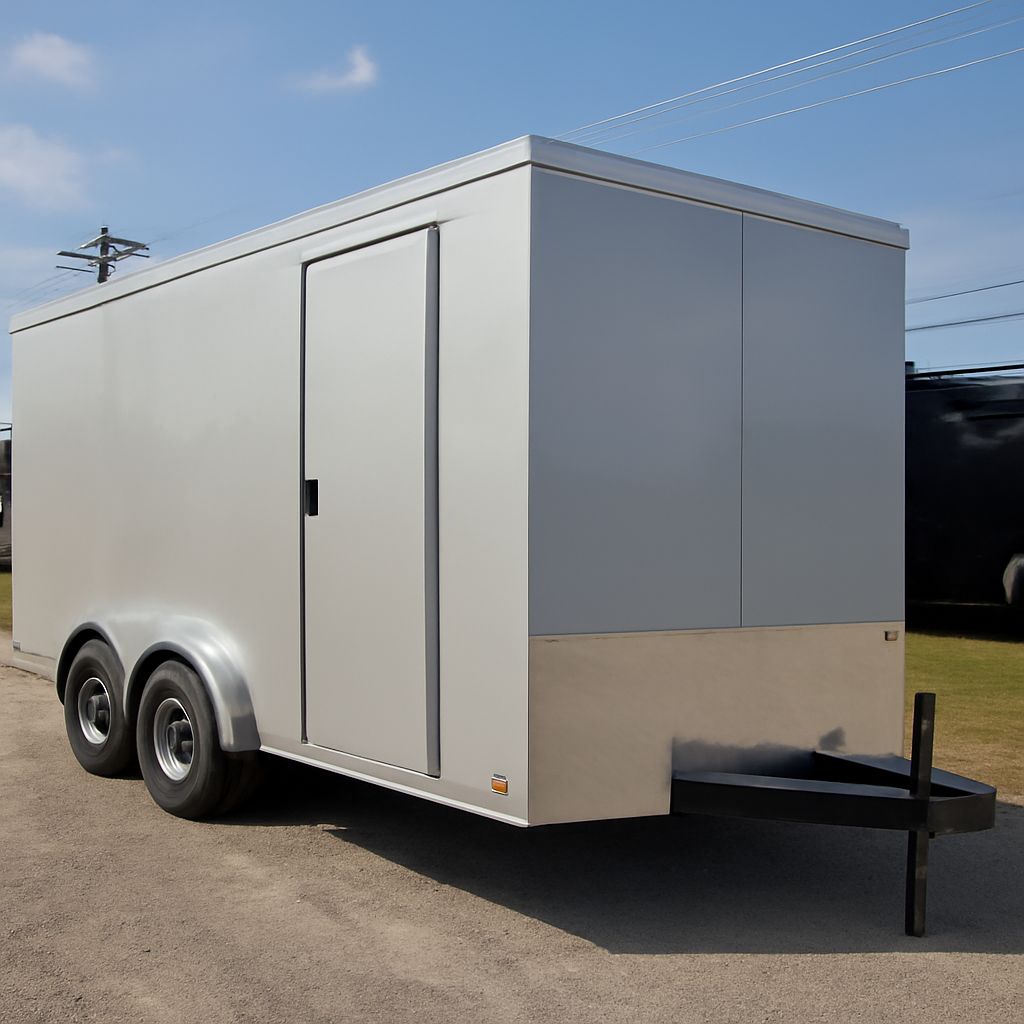
Anyone moving two vehicles at once faces the same fundamental decision: open or enclosed transport. A 2 car enclosed trailer keeps both vehicles protected from road debris, weather, and theft during the move. The tradeoff is higher cost and added weight compared to an open hauler, but for vehicles with paint, mechanical, or sentimental value, the protection is often worth it.
An aluminum enclosed car trailer offers a lighter alternative to steel construction without sacrificing structural integrity for most applications. For those who travel and haul simultaneously, a car hauler camper or rv car hauler configuration adds utility by combining living quarters with transport capacity. Understanding the distinctions among enclosed car hauler trailers before purchasing or renting prevents costly mismatches with tow vehicles and intended use.
What to Know Before Buying a 2 Car Enclosed Trailer
Weight Ratings and Tow Vehicle Requirements A 2 car enclosed trailer carrying two average passenger vehicles can easily reach a loaded weight of 10,000 to 14,000 pounds. The tow vehicle must have a manufacturer-rated tow capacity that exceeds this figure with a safety margin. Tongue weight, typically 10 to 15 percent of total trailer weight, must also fall within the tow vehicle’s tongue weight rating. Exceeding either limit risks trailer sway, brake failure, and structural damage to the hitch assembly.
Trailer length matters for maneuvering. Most two-car enclosed units run 28 to 32 feet. Turning radius, parking access, and backing skills all become more demanding at these lengths. Drivers new to enclosed trailer towing benefit from practicing in open areas before attempting confined spaces.
Floor Plans and Interior Dimensions
Interior width and height determine which vehicles fit. Standard enclosed car hauler trailers offer 7-foot interior width and 7-foot interior height, which accommodates most passenger cars but not tall trucks or SUVs. Low-roof sports cars fit easily; lifted vehicles do not. Ramp angle matters at loading time, particularly for low-clearance vehicles with minimal front approach angles.
Aluminum Enclosed Car Trailer: Pros and Practical Limits
Why Aluminum Wins for Long Hauls
An aluminum enclosed car trailer typically weighs 15 to 20 percent less than a comparable steel unit. That weight reduction improves fuel economy, reduces wear on the tow vehicle drivetrain, and lowers the total loaded weight, which can make the difference between staying within tow capacity limits or exceeding them. Aluminum also resists corrosion without the annual maintenance that bare steel requires.
Comparing Aluminum to Steel Builds
Steel trailers cost less upfront and are easier to weld for repairs in the field. They handle impact better in minor collisions without cracking. Aluminum trailers cost more to purchase but often command higher resale values because they do not rust. For buyers who plan to use the trailer regularly over many years, the total cost of ownership often favors aluminum despite the higher initial price.
Car Hauler Camper Combinations
A car hauler camper merges living space with a vehicle transport bay in a single trailer. The rear section carries one or two vehicles; the front section contains sleeping, cooking, and bathroom facilities. These builds appeal to racers who travel to distant events, collectors attending shows, and enthusiasts who want to combine adventure travel with vehicle transport without towing two separate units.
The car hauler camper market ranges from factory-built units to full custom builds. Factory options from established manufacturers provide warranty coverage and compliance with construction standards. Custom builds offer flexibility in layout but require careful vetting of the builder’s experience with both structural trailer fabrication and residential-grade interior systems.
RV Car Hauler Setups: Towing Behind a Motorhome
An rv car hauler attached to a motorhome allows travelers to bring a smaller vehicle for local exploration once the motorhome is parked. These trailers are typically shorter than standalone haulers, carrying one vehicle rather than two. They must be rated for the motorhome’s hitch and brake system specifications, which vary by chassis and model year.
Fifth-wheel rv car hauler configurations integrate with a truck bed rather than a standard hitch receiver, providing more stable handling at highway speeds. The increased connection height improves weight distribution and reduces trailer sway on grades. Choosing the right coupler type and ensuring compatible brake controller wiring are pre-purchase requirements.
Choosing Among Enclosed Car Hauler Trailers
Comparing enclosed car hauler trailers comes down to matching trailer specifications to actual use. A buyer hauling two vehicles occasionally for local moves needs different specifications than a professional transporter covering thousands of miles annually. Key comparison points include GVWR, axle count, floor material, door type, and whether tie-down anchor rails are recessed or surface-mounted.
Key takeaways: Match trailer GVWR and tow vehicle ratings before committing to any 2 car enclosed trailer. Aluminum construction saves weight and resists corrosion, making it the better long-term value for frequent users. Car hauler camper and rv car hauler configurations add versatility but require careful capacity planning to keep total weight within safe limits.