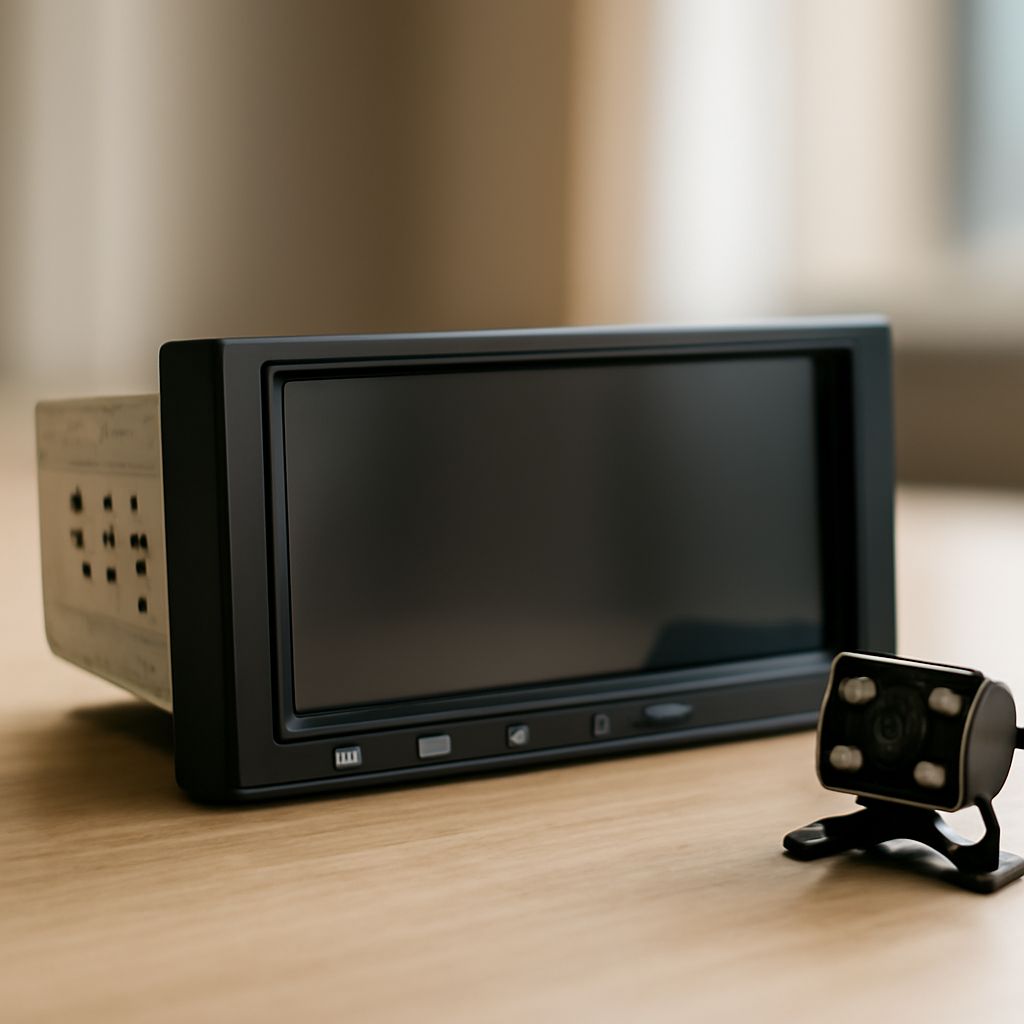
Many vehicles still running single-din dash openings have more upgrade potential than their owners realize. A single din car stereo replaces the factory head unit with a unit that fits the same 2-inch-tall slot while adding features the original radio never had. The format remains popular because it fits a wide range of vehicles and costs less than a double-din alternative, making it an accessible starting point for building the best car audio system without a full dash modification.
Whether the priority is hands-free calling, turn-by-turn navigation, or cleaner sound, the single-din format covers all of it. A car stereo with gps built into the unit replaces the need for a separate mount or phone holder. The best bluetooth car stereo in this format pairs reliably with modern phones and supports multiple connection protocols. A dedicated gps car stereo goes further, providing offline map access that does not depend on cellular signal.
What Makes a Single Din Car Stereo Worth Upgrading To
Size Compatibility and Dash Fitment
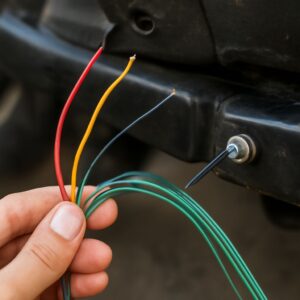
Single-din openings measure 2 inches tall by 7 inches wide. Any unit labeled DIN or 1-DIN fits this space. Most aftermarket units come with a universal mounting sleeve and trim ring that adapts to the specific vehicle opening. Checking the manufacturer’s vehicle fitment guide before purchasing confirms compatibility with the wiring harness and antenna adapter, which vary by make, model, and year.
Core Features to Prioritize
Modern single-din head units offer AM/FM reception, CD playback on some models, USB media playback, Bluetooth connectivity, and auxiliary input. Higher-tier units add Apple CarPlay or Android Auto via wired or wireless connection, onboard GPS navigation, and multi-zone audio output for driving an amplifier and separate subwoofer channel. Choosing which features matter most before shopping prevents paying for capabilities that will never be used.
Best Car Audio System Pairing for Single-Din Decks
Amplifiers and Speaker Matching
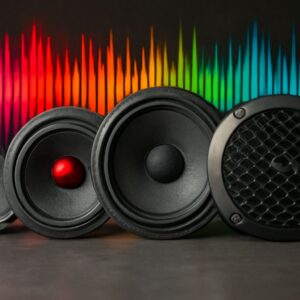
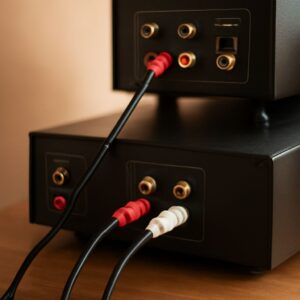
Building the best car audio system around a single-din head unit requires thinking beyond the receiver. Most single-din decks output 18 to 22 watts RMS per channel, which is enough to drive efficient speakers at modest volume but not enough to power subwoofers or demanding component sets properly. Adding a separate amplifier between the head unit and the speakers unlocks substantially better dynamic range and clarity.
Sound Quality Benchmarks
A head unit with a built-in equalizer and time alignment allows fine-tuning of the audio to the vehicle’s cabin acoustics. A five-band or thirteen-band parametric EQ corrects for bass buildup near doors and treble peaks at high frequencies. Without equalization, even good speakers sound unbalanced in a car environment because the reflective surfaces and irregular dimensions color the sound significantly.
Car Stereo with GPS: Navigation That Works in the Real World
A car stereo with gps built into the head unit provides navigation without relying on a phone mount or cellular data. Onboard GPS units store maps locally, which means they function in areas with no signal, tunnels, and underground parking where phone-based apps lose their connection. The screen size on a single-din unit is smaller than a phone held in landscape mode, but the fixed position in the dash is safer and more stable during navigation.
Map update frequency varies by manufacturer. Some units receive free lifetime map updates; others charge per update cycle. Confirming the update policy and cost before purchase avoids surprises two or three years into ownership when road changes make the current maps less reliable.
Best Bluetooth Car Stereo Options in the Single-Din Format
The best bluetooth car stereo in the single-din category supports both hands-free calling and audio streaming through a stable, low-latency connection. Bluetooth 5.0 and higher versions provide better range and more simultaneous device pairing than older versions. Multipoint pairing, which allows two devices to stay connected simultaneously, makes switching between a driver’s and passenger’s phone seamless.
Voice assistant integration, either through the unit’s own microphone or by triggering the phone’s assistant via the head unit controls, adds convenience for call answering and music selection without touching the screen. Units with a dedicated microphone input allow placement of the mic near the driver for clearer call audio than units relying on the built-in mic at the head unit location.
GPS Car Stereo: Standalone vs. Smartphone Integration
A gps car stereo with onboard navigation suits drivers who want a fully self-contained system that works independently of any phone. Standalone navigation does not drain the phone battery, does not require a data plan, and continues working if the phone is lost or left at home. The tradeoff is that map updates require more deliberate management than the automatic updates a navigation app receives.
Smartphone integration via Apple CarPlay or Android Auto mirrors the phone’s navigation app on the head unit screen. This approach provides the most current maps and real-time traffic data but depends on the phone remaining connected and charged. For most daily driving scenarios, either approach works well; for regular travel in remote areas, the standalone gps car stereo offers more consistent reliability.
Pro tips recap: Confirm dash fitment with a vehicle-specific compatibility guide before ordering. Match amplifier power to speaker sensitivity ratings for balanced output. Choose between a standalone gps car stereo and smartphone integration based on how frequently the route takes the vehicle out of cellular coverage.