Have you ever noticed unsightly brown splotches on your vehicle and wondered how they got there? Understanding how to remove rust from a car is crucial for maintaining its longevity and appearance. Rust can not only diminish the aesthetic value of your vehicle, but it can also affect its structural integrity. Whether you’re looking to learn how to get rid of rust on a car or seeking tips on how to treat rust on a car, this guide will walk you through the essential steps.
Understanding Rust on Your Car
Rust is a common problem for cars, especially in regions with high humidity or where road salts are used in winter. At its core, rust is the result of iron and oxygen interacting with moisture. When the protective paint layer on your car becomes compromised, it exposes the metal underneath to this reaction, leading to corrosion.
Understanding the causes of rust can help you not only in how to treat rust on a car but also in preventing it. Regular inspections for tiny bubbles or paint chips can alert you to potential rust development before it spreads.
What You Need to Remove Rust
Before jumping into how to fix rust on a car, gather the necessary materials. You’ll need sandpaper or a sanding disc, rust converter or primer, a microfiber cloth, and appropriate protective gear. Safety is paramount, so make sure to wear gloves and goggles during the process.
In addition to these materials, having a rust-preventative paint and sealer on hand will ensure that the rust is thoroughly treated and that the surface is well protected against future corrosion.
Steps to Fix Rust on Your Car
To effectively get rid of rust on a car, follow these straightforward steps:
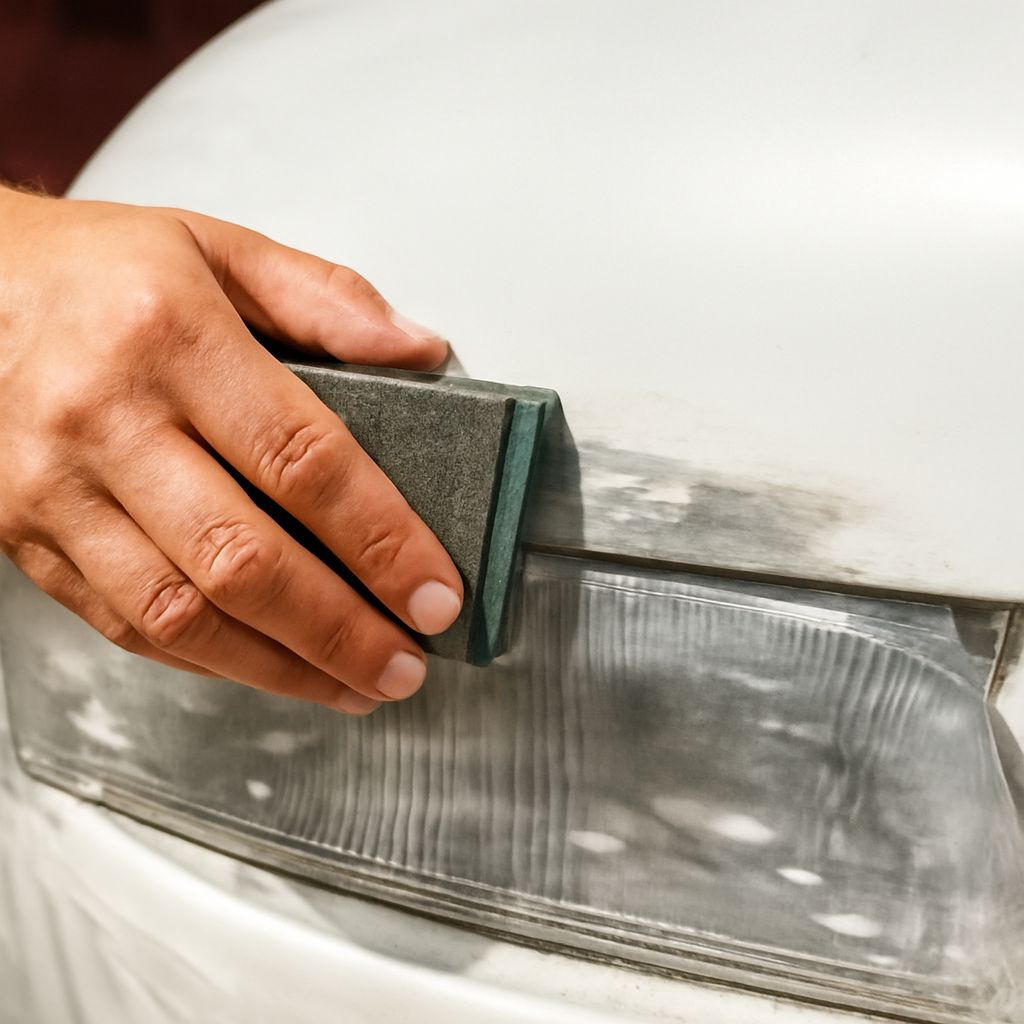
- Sand the Rust Away: Begin by using sandpaper or a sanding disc to remove the rust. This step is crucial in how to remove rust from a car as it clears away the corroded layer.
- Apply Rust Converter: Once the rust is sanded off, apply a rust converter to neutralize any remaining rust particles. This will also act as a primer for painting.
- Paint the Surface: Use a rust-preventative paint that matches your car’s color. This not only restores appearance but also offers a barrier against future moisture.
- Seal the Area: Finish off with a clear coat sealant to further protect the treated area from environmental factors.
Preventing Future Rust Issues
Prevention is better than cure, especially when it comes to rust. To avoid having to constantly search for how to fix rust on a car, consider regular maintenance as a proactive strategy. Wash your car regularly, especially after exposure to salty roads or ocean air, as this helps remove corrosive agents.
Regular waxing can also provide an additional protective layer, as can parking your car in a garage or using a cover. By addressing minor paint damage promptly, you can significantly reduce the risk of rust forming in the first place.
Bottom line: Learning how to treat rust on a car effectively involves understanding its causes, having the right materials, following systematic steps, and taking preventive measures. By maintaining proper car care routines, you can preserve your vehicle’s appearance and structural soundness for years to come.