Have you ever pondered whether gap insurance is worth it on a used car? With the rising costs of car repairs and the complexities of insurance policies, it’s crucial to understand the various options available for protecting your vehicle. Gap insurance can provide essential coverage, but is it necessary for a used car? When your car is totaled, knowing whether you should repair or replace it can be a challenging decision. In this article, we explore the benefits and limitations of gap insurance and examine new car protection packages that might better suit your needs.
Understanding Gap Insurance for Used Cars
Gap insurance, or Guaranteed Asset Protection insurance, is designed to cover the difference between the amount you owe on your car loan and the car’s actual cash value in the case of a total loss. This type of insurance is commonly recommended for new cars, but its applicability to used cars depends on several factors. Understanding these factors can help determine if gap insurance is worth it on a used car.
For used cars, the depreciation rate plays a significant role. Since used cars depreciate less rapidly than new ones, the gap between the loan amount and the car’s value might not be significant. However, if the loan balance on a used car is notably higher than its market value, gap insurance could still be beneficial.
Is Gap Insurance Worth It on a Used Car?
To ascertain if gap insurance is worth it on a used car, one must consider the financial implications of a potential total loss. If the car is financed with a high-interest loan or you made a low down payment, the loan balance may exceed the car’s market value. In such scenarios, having gap insurance can prevent a financial shortfall in the event of a total loss.
However, if there’s a small outstanding balance or the car’s value closely matches the loan balance, gap insurance might not be necessary. Evaluating your car’s depreciation, loan terms, and personal financial situation is crucial in making this decision.
When It’s Not Worth Repairing a Car
Deciding when it’s not worth repairing a car involves assessing the repair costs compared to the car’s value. If repair expenses exceed the vehicle’s market value, it might be more cost-effective to replace the car. Frequent breakdowns and costly repairs can lead to a decision where maintaining the car is no longer financially sensible.
Moreover, if a vehicle has been in multiple accidents, it may be less safe and reliable. In such cases, opting for a replacement rather than repairing might be the prudent choice.
Exploring New Car Protection Packages
New car protection packages offer alternatives to traditional insurance options. These packages can include extended warranties, maintenance plans, and additional coverages beyond basic liability. While primarily targeted at new car owners, some elements of these packages can also apply to used cars.
Comparing these packages against the benefits of gap insurance is advisable. While gap insurance specifically covers the loan-value gap, new car protection packages may provide broader coverage options that can better suit individual needs, especially if the financing risk is minimal.
How Gap Insurance Works After a Car is Totaled
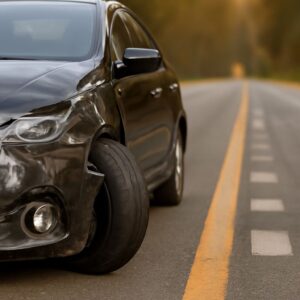
If your car is totaled, gap insurance ensures that you are not burdened with paying off a loan for a car you no longer possess. This type of insurance pays the difference between the car’s actual cash value and the remaining loan balance, offering peace of mind and financial protection.
It’s important to note that not all insurers provide gap insurance for used cars, and the terms can vary significantly. Therefore, understanding the specific terms and conditions of a gap insurance policy is essential before committing to it.
In conclusion, the value of gap insurance on a used car depends on individual circumstances. By assessing the car’s depreciation, loan balance, and available alternatives, such as new car protection packages, vehicle owners can make informed decisions about the best way to protect their investment.