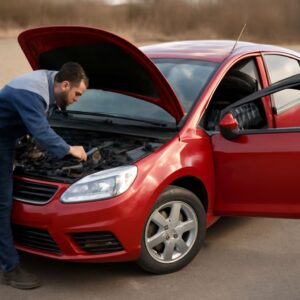
Have you ever wondered what happens if your car runs out of oil? This question may seem trivial until faced with the costly consequences of neglecting engine maintenance. Oil is essential for your car’s engine, and running out can lead to severe damage. This article explores the importance of oil in your vehicle, the repercussions of running out, and how this situation compares to other car-related challenges like skipping insurance payments and failing inspections.
Understanding the Importance of Oil in Your Car
Oil plays a crucial role in your car’s maintenance by lubricating engine components, reducing friction, and minimizing wear. It aids in cooling the engine and carrying away debris. Without sufficient oil, these critical functions are compromised, leading to overheating and increased mechanical stress. Ensuring that your car runs smoothly requires regular oil changes and checks.
What Happens When Your Car Runs Out of Oil
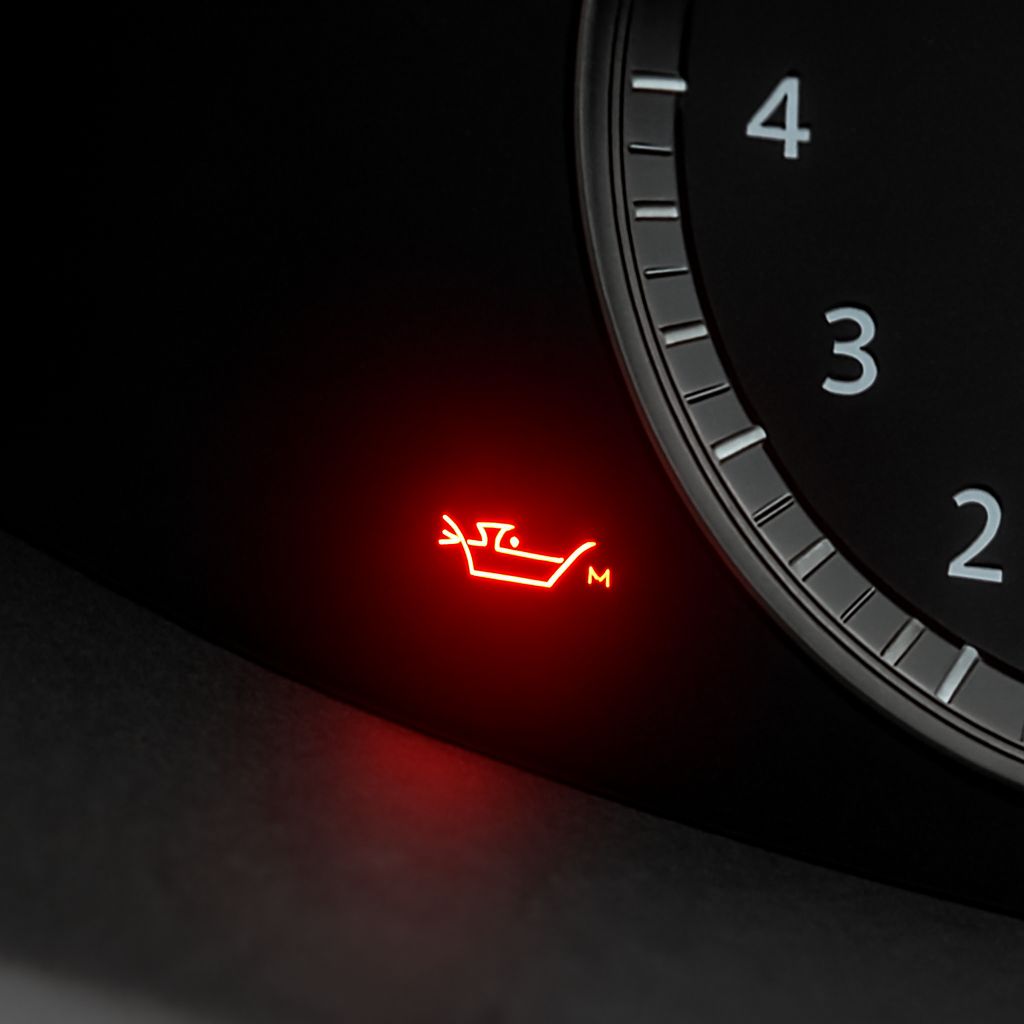
When your car runs out of oil, the engine is at risk of severe damage. Initially, there may be warning signs such as unusual noises and increased heat. Eventually, the engine could seize, resulting in costly repairs or even the need for a replacement. Addressing oil levels should be a top priority for any vehicle owner to prevent such expensive problems.
Running out of oil can also lead to a breakdown at inconvenient times, leaving drivers stranded. This highlights the importance of routine maintenance and regular oil checks. By keeping up with these tasks, drivers can avoid the stress and financial burden of unexpected engine failure.
What Happens If You Don’t Pay Car Insurance
Not paying car insurance can have serious consequences. If payments lapse, the policy may be canceled, leaving the vehicle uninsured. Driving without insurance is illegal in most regions and can result in fines, license suspension, and increased insurance premiums in the future.
A lack of insurance also means that drivers are financially responsible for any damages or injuries caused in an accident. This situation underscores the importance of maintaining valid car insurance as a protective measure against unforeseen liabilities.
Consequences of Failing Car Inspection Twice
If a vehicle fails car inspection twice, it could indicate serious issues that need addressing. Persistent failures can prevent a car from being legally driven, impacting its resale value and imposing additional repair costs.
Repeated failures often point to underlying mechanical or safety problems that, if left unresolved, may lead to more significant issues. Ensuring that your vehicle complies with inspection standards is essential for safety and legal compliance.
Preventive Measures to Avoid Car Troubles
To prevent car troubles such as running out of oil or failing inspections, regular maintenance is crucial. Routine oil checks and timely changes should be part of every driver’s checklist. Keeping up with manufacturer-recommended maintenance schedules can help identify potential problems before they escalate.
Additionally, staying current with car insurance payments ensures legal compliance and financial protection. Scheduling regular inspections and addressing any identified issues promptly can prevent repeated failures and maintain vehicle safety.
Key takeaways: Regular car maintenance, including oil checks, is crucial for preventing engine damage. Maintaining valid car insurance and passing inspections are both legal obligations and practical necessities. Consistent attention to these areas can save money and ensure vehicle reliability.