How much should you spend on your first car? This is a question that often puzzles many first-time car buyers. As you embark on this significant purchase, it’s crucial to consider a multitude of factors, from your budget and car insurance needs to car maintenance and negotiating prices for a certified pre-owned car. This article aims to guide you through these considerations, helping you make an informed decision.
While buying your first vehicle can be exciting, it also requires careful budgeting and planning. You should not only focus on the upfront cost of the car but also think about how much car insurance is enough to protect your investment. Additionally, factoring in ongoing maintenance costs and developing negotiation skills for securing a good deal on a certified pre-owned car are equally important.
Determining Your First Car Budget
When setting a budget for your first car, it’s vital to evaluate your financial situation carefully. Start by calculating how much you can afford as a down payment and the monthly payments that fit comfortably within your budget. A general rule of thumb is to avoid spending more than 20% of your monthly income on car payments.
Consider other expenses such as car insurance, fuel, and maintenance costs. Planning your budget this way ensures that you aren’t caught off guard by hidden costs. For example, while a turbo car might be enticing, it can lead to higher insurance premiums and maintenance expenses.
Understanding Car Insurance Needs
How much car insurance is enough? This is a question that first-time car buyers often face. The minimum required insurance varies by state, but it’s advisable to go beyond the minimum to ensure adequate protection. Comprehensive and collision coverages are often recommended for new or certified pre-owned cars.
Evaluate different insurance policies and compare their premiums and coverage. Keep in mind factors like the type of car, driving history, and location, all of which can affect insurance rates. Consulting with an insurance expert can provide clarity on your insurance needs and help you choose a policy that balances cost with adequate protection.
Budgeting for Car Maintenance
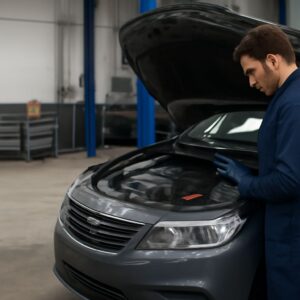
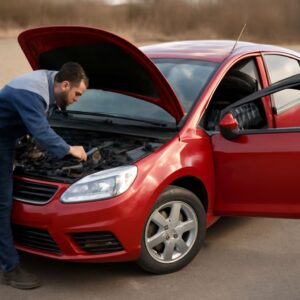
Regular car maintenance is essential to keep your vehicle running smoothly and avoid costly repairs down the line. When planning your budget, allocate funds for routine maintenance tasks such as oil changes, tire rotations, and brake inspections.
Proactive maintenance not only enhances the lifespan of your car but also aids in maintaining its resale value. For instance, a well-maintained turbo car will be more reliable and cost-effective in the long run. Keep a maintenance schedule and adhere to it as part of responsible car ownership.
Negotiating a Certified Pre-Owned Car Price
When buying a certified pre-owned car, negotiating the price can save you a significant amount of money. Start by researching the car model, its market value, and any common issues it might have. This information empowers you to negotiate effectively with the dealer.
During negotiations, remain calm and assertive. It’s beneficial to point out any discrepancies in the car’s condition that could justify a lower price. Understanding the dealer’s incentives and being ready to walk away if the deal doesn’t meet your budget criteria are key negotiation strategies.
Bottom line: Successfully purchasing your first car requires thoughtful planning and budgeting. By carefully considering how much car insurance is enough, understanding your maintenance obligations, and developing negotiation strategies, you can make a financially sound decision that meets your needs.