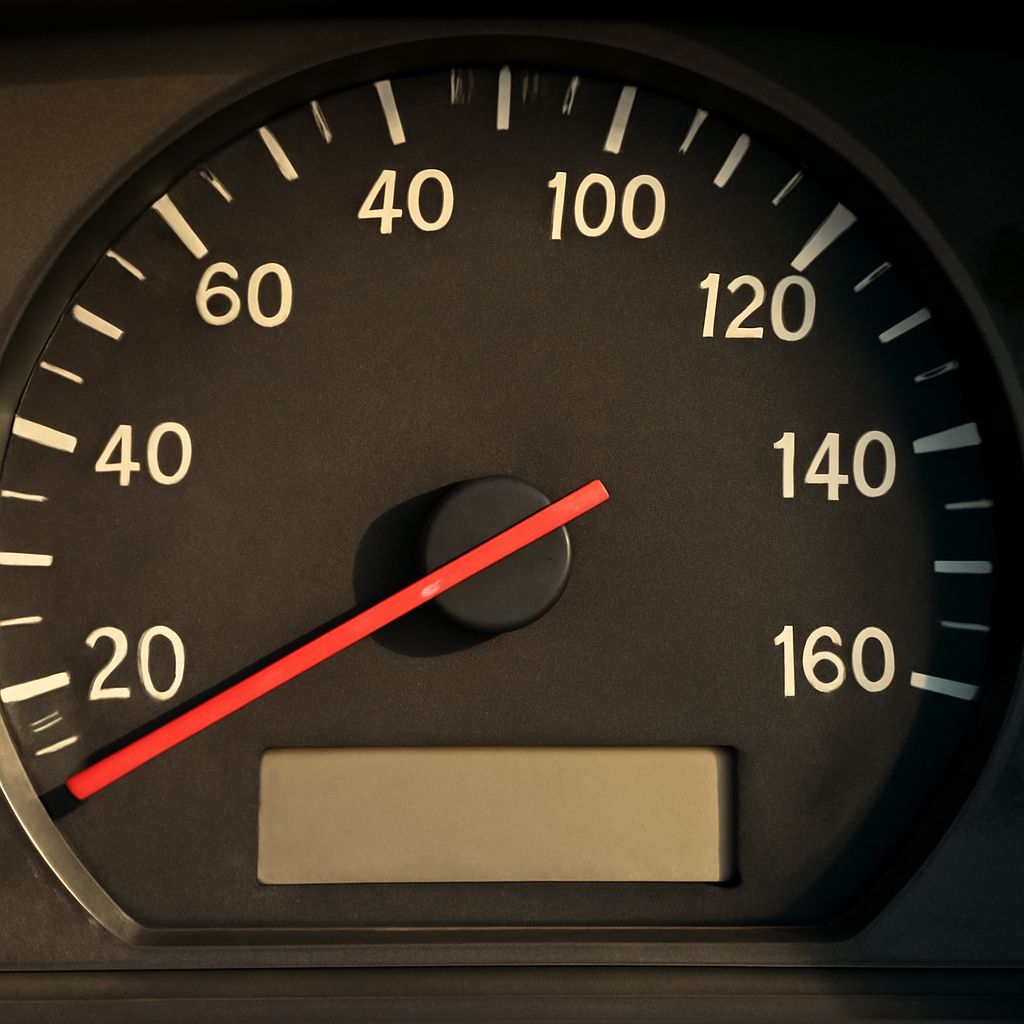
What is the ideal mileage for a used car? When considering purchasing a pre-owned vehicle, knowing how many miles should be on a used car is crucial. This question often drives buyers to ponder the implications of mileage on a car’s performance and longevity. With numerous factors to consider, understanding the average miles a used car should have can provide clarity in making informed decisions.
In the process of buying a used car, it’s essential to delve into the specifics of used car mileage. Whether it’s evaluating how many miles should a used car have or understanding the wear and tear a vehicle may have experienced, mileage plays a pivotal role. This article provides insights into what to look for in terms of mileage and how it affects the car-buying experience.
Understanding Used Car Mileage
Mileage is a primary indicator of a car’s wear and tear. While many buyers focus on the age of the car, the number of miles it has driven can often reveal more about its condition. An older car with fewer miles might be in better condition than a newer car with a high mileage count. The context of those miles, such as whether they are highway or city miles, also impacts the car’s state.
Why Mileage Matters When Buying a Used Car
Mileage can affect both the vehicle’s resale value and its future maintenance needs. Higher mileage typically means more wear on parts, which could lead to more frequent repairs. Conversely, a car with lower miles could suggest less wear, potentially offering more reliability. Understanding how many miles should be on a used car helps in budgeting for future maintenance and anticipating potential issues.
Factors Influencing How Many Miles Should Be on a Used Car
Age of the Car
The car’s age often correlates with its mileage. On average, a car is driven about 12,000 to 15,000 miles per year. Therefore, a five-year-old car might reasonably have between 60,000 and 75,000 miles. Checking this average against the actual mileage helps gauge whether a car was underused or overused.
Maintenance History
A comprehensive maintenance history can significantly impact the desirability of a used car with high mileage. Regular maintenance can ensure the longevity of many components, mitigating the negative impacts of high mileage. When examining how many miles should a used car have, a well-documented service history can be a positive sign.
Type of Usage
Understanding the previous use of the car is crucial. Highway miles are often less taxing than city miles, which involve more stop-and-start driving. A car used primarily for long highway trips might show less wear than one that accumulated the same mileage in urban settings.
Average Mileage for Different Car Types
Different types of vehicles are built for varying purposes, and their average miles reflect this. For instance, trucks and SUVs, often used for work or long trips, might naturally have higher mileage. In contrast, compact cars, typically used for city commuting, might have fewer miles. Prospective buyers should consider the purpose and design of the vehicle when evaluating average miles.
Tips for Evaluating Used Car Mileage
To assess how many miles should be on a used car, consider asking for a vehicle history report, which can provide insight into past usage and maintenance. Additionally, a professional inspection can help identify potential issues related to mileage. Being informed about the implications of mileage ensures a confident buying decision.
Next steps: As consumers continue their journey to buy a used car, combining knowledge of mileage with a thorough inspection and vehicle history review is advised. Continuous maintenance and mindful driving will help in maximizing the car’s lifespan, ensuring that even a vehicle with higher mileage remains reliable and efficient.