Why does a car won’t start in cold weather, and what can be done to prevent this frustrating issue? As temperatures drop, many drivers face the common problem of a car that won’t start cold. Understanding the intricacies of this issue is essential for ensuring that your vehicle remains reliable even in the harshest conditions. This article will explore why cars struggle in cold weather, identify common causes, and provide practical solutions to keep your car running smoothly.
Understanding Why Your Car Won’t Start in Cold Weather
Cold weather can wreak havoc on various components of a vehicle. When a car won’t start in cold weather, it is often due to a combination of factors that affect the battery, engine oil, and fuel system. Cold temperatures can cause a reduction in battery power, making it difficult for the engine to turn over. Additionally, engine oil can thicken, which increases resistance and makes it harder for the engine to start.
Common Causes When a Car Won’t Start Cold
There are several reasons why a car won’t start cold. A weak or dead battery is one of the most common causes, as cold weather can significantly reduce a battery’s capacity. Another reason could be thickened engine oil, which makes it harder for the engine components to move freely. Fuel lines can also freeze in extreme cold, preventing fuel from reaching the engine.
Moreover, a malfunctioning starter motor may be unable to crank the engine in cold conditions, and faulty spark plugs can fail to ignite the fuel-air mixture in the engine. Identifying the root cause is essential for addressing the problem effectively.
Preventive Measures to Ensure Your Car Starts in the Cold
To prevent issues when a car won’t start in cold weather, regular maintenance is crucial. This includes checking and replacing the battery if it shows signs of weakness. Using the correct viscosity of engine oil for winter conditions can also help reduce resistance. Fuel additives can prevent freezing in the lines, ensuring that fuel flows smoothly to the engine.
In addition, parking in a garage or using a car cover can provide some protection from the cold. Installing an engine block heater can also pre-warm the engine, making it easier to start the car on cold mornings. Regular inspections and tune-ups ensure that all components are in optimal condition.
Emergency Steps to Take When My Car Won’t Start in the Cold
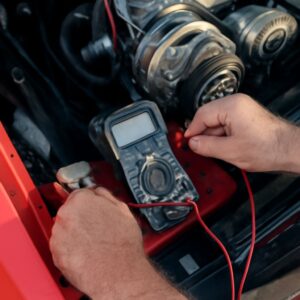
If your car won’t start cold, several emergency steps can be taken. First, check the battery terminals for corrosion and ensure they are tightly connected. Jump-starting the car might provide the necessary power to get it running. If fuel line freezing is suspected, applying gentle heat to the engine or using a fuel line antifreeze can help resolve the issue.
Additionally, turning off non-essential accessories like headlights and the radio can help direct power to the starter motor. Pumping the gas pedal gently may help if the engine is close to starting but struggles due to a lean mixture.
When to Seek Professional Help for Starting Problems
If your car consistently won’t start cold despite taking preventive and emergency measures, it may be time to seek professional help. A professional mechanic can perform a comprehensive diagnostic check to identify and address underlying issues that may not be immediately apparent. This could include checking the alternator, ignition system, or fuel injectors for faults.
Regular visits to a professional for maintenance checks can prevent larger, more costly problems from developing, ensuring that your car starts reliably in cold weather.
Next steps: To maintain your car’s reliability in cold weather, integrate these preventive measures into your regular maintenance routine. Scheduling regular check-ups with a professional mechanic before the winter season can help identify potential issues early. Keeping a winter emergency kit in your vehicle can also be beneficial, ensuring you are prepared for unexpected starting problems.