Have you ever experienced a mysterious hissing sound from your car and wondered what it means? Many drivers encounter eerie car engine sounds without knowing their origins or how to address them. These noises are more than just an annoyance; they can signal underlying issues that require prompt attention to ensure your vehicle’s performance and safety. Additionally, if you’ve ever been ejected from your vehicle, understanding car safety features becomes crucial. Furthermore, in winter, it’s essential to know how to effectively remove snow from your car to maintain safety and functionality.
Understanding the Hissing Sound from Your Car
Common Causes of Hissing Sounds
Hissing sounds in cars are often indicative of escaping air, fluid leaks, or even vacuum leaks within the engine system. A common culprit is a vacuum hose that has become disconnected or developed cracks over time. In some cases, a failing radiator cap might release steam, producing a noticeable hissing noise. Understanding these potential causes is vital in addressing the root of the problem.
How to Identify the Source
To pinpoint where the hissing sound is coming from, it is advisable to inspect the engine bay while the vehicle is running. Listen carefully around the engine, radiator, and hoses. Using a mechanic’s stethoscope can help locate the source of the noise more precisely. If the sound is accompanied by visible steam or fluid, that area likely needs immediate attention.
Dealing with Gurgling Sounds in Your Car
Why You Might Hear Gurgling
Gurgling sounds in a car can be disconcerting, often resulting from air pockets trapped within the vehicle’s coolant system. This can happen if the radiator is not properly bled after coolant replacement, allowing air bubbles to circulate. Additionally, a clogged heater core or low coolant levels may also contribute to such noises.
Steps to Diagnose Gurgling Noises
To diagnose gurgling sounds, start by checking the coolant levels in your radiator and the overflow reservoir. Ensure there are no leaks, and the system is appropriately bled. Listen for any unusual noises coming from the heater core area or the coolant lines when the engine is running. If problems persist, consulting a professional mechanic is recommended.
When Car Engine Sounds Indicate Trouble
Recognizing Problematic Engine Noises
Persistent or unusual engine noises, like knocking or tapping, can indicate severe internal issues. These sounds often suggest problems such as engine misfires, worn bearings, or a failing timing belt. Recognizing these noises early can prevent more extensive damage and costly repairs.
Preventing Engine Issues
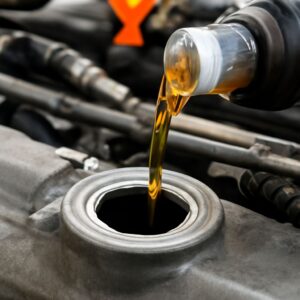
Regular maintenance is key to preventing problematic engine sounds. This includes timely oil changes, replacing filters, and conducting routine inspections of belts and hoses. Maintaining proper fluid levels and using quality fuels also play a significant role in preserving engine health.
Safety Measures if Ejected from Car
Importance of Seatbelts and Airbags
Being ejected from a car is a rare but severe event that underscores the importance of seatbelts and airbags. These safety features are designed to keep occupants securely in place during collisions, reducing the risk of injury significantly.
Emergency Actions After Ejection
If ejected, seek immediate medical attention, even if injuries seem minor. It’s crucial to maintain awareness of your surroundings and signal for help as soon as possible. Understanding car safety features and how they work can be life-saving.
How to Effectively Remove Snow from Your Car
Tools You Need for Snow Removal
Removing snow from a car requires the right tools, such as a snow brush with a scraper, de-icing solution, and a sturdy broom. Avoid using sharp objects that can damage the vehicle’s paint or windows.
Step-by-Step Guide to Clearing Snow
Start by brushing snow off the roof, then proceed to the windows and doors. Use a scraper for stubborn ice patches. It’s crucial to clear snow from all lights and license plates to ensure visibility and compliance with road safety regulations.
Key takeaways: Understanding the causes of hissing and gurgling sounds in your car is critical for timely repairs. Regular maintenance and safety precautions can prevent major engine issues. In winter, proper snow removal maintains vehicle safety and visibility.