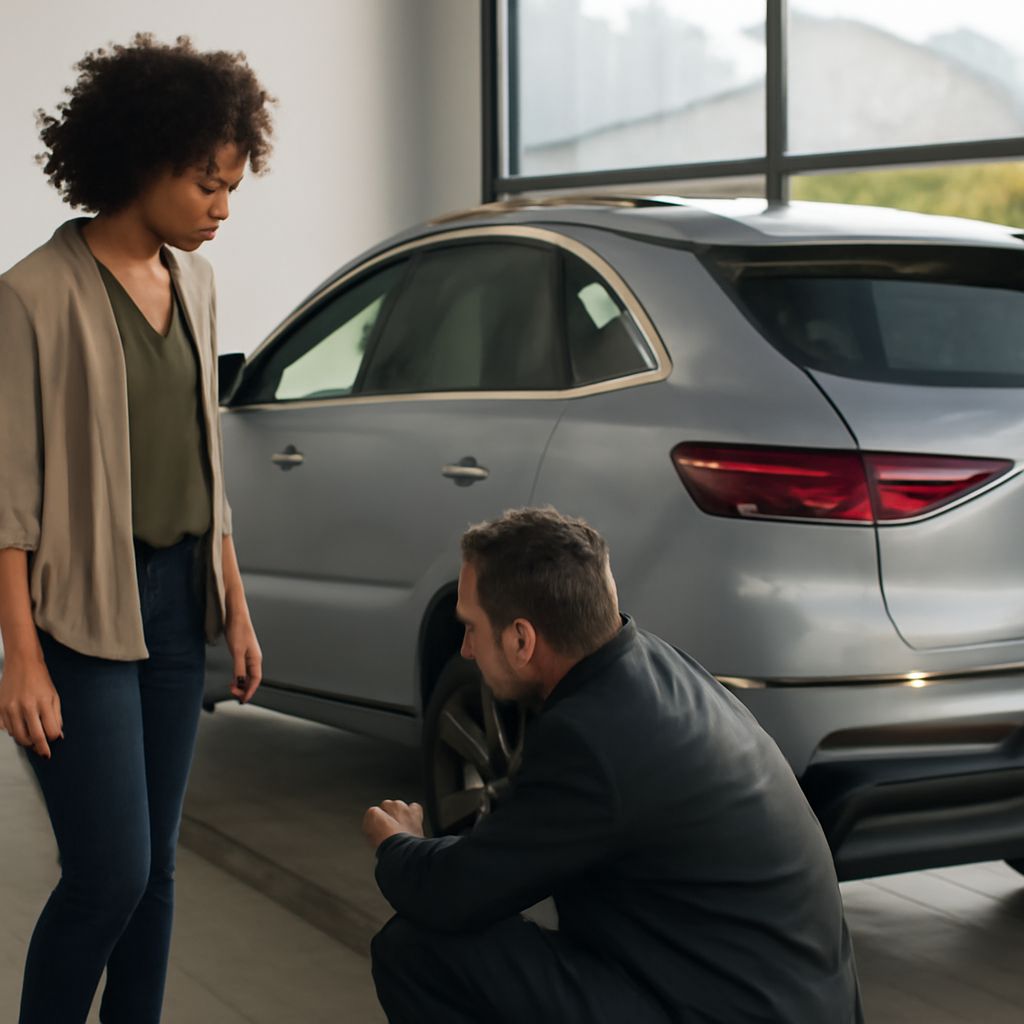
Are you considering selling your car and wondering if a dealership is the right choice for you? Many people ask, “How can I sell my car to a dealer and ensure I get the best value for it?” Selling a car to a dealer can be a practical and efficient option, but it’s essential to understand the process and prepare adequately to maximize your return. In this guide, we will explore why you should sell your car to a dealer, how to prepare for the sale, and steps to ensure a smooth transaction.
Why Sell Your Car to a Dealer?
Benefits of Selling a Car to a Dealer
Selling a car to a dealership offers several advantages. Firstly, it’s a quick and straightforward process. Dealerships often handle the paperwork and regulatory requirements, making it less burdensome for sellers. Additionally, selling a car to a dealer reduces the hassle of marketing the vehicle yourself and negotiating with multiple potential buyers.
Another benefit is the assurance of dealing with professionals who adhere to industry practices. Dealers typically have a streamlined process for appraising and purchasing vehicles, ensuring a fair transaction. This means that when you sell a car to a dealership, you are more likely to get a competitive offer based on market rates.
Common Concerns and How to Address Them
Despite the benefits, some people might have concerns about selling their car to a dealer. One common worry is receiving a lower price compared to a private sale. To mitigate this, it’s crucial to research market trends and understand your car’s worth before approaching a dealer. Another concern is the perceived complexity of dealership transactions. Educating oneself about the selling process can alleviate these fears and result in a smoother experience.
How to Prepare Your Car for Sale
Necessary Documentation
Preparing the necessary paperwork is vital for selling your car to a dealer. Ensure you have the vehicle’s title, registration, and service records ready. These documents help establish the car’s history and condition, providing the dealer with confidence in the transaction.
Additionally, having all documentation in order can expedite the sale and demonstrate your professionalism. Dealers appreciate when sellers are organized, as it facilitates a quicker and more efficient transaction process.
Evaluating Your Car’s Worth
Before selling a car to a dealer, it’s essential to know its value. Use online tools and resources to assess the market value based on your car’s make, model, year, and condition. Consider factors like mileage, maintenance history, and any enhancements to establish a realistic asking price.
Understanding your car’s worth allows you to negotiate confidently with dealers and ensures you receive a fair offer. This preparation empowers sellers to engage in informed discussions regarding the car’s value and potential sale price.
Steps to Sell My Car to a Dealer
Research and Compare Dealership Offers
Conducting research on various dealerships is crucial when you decide to sell your car to a dealer. Compare offers from multiple dealers to identify the best deal. Look for dealers with positive reviews and a reputation for fair transactions.
By dedicating time to research, sellers can avoid potential pitfalls and ensure they engage with reputable establishments. This preparation leads to more favorable outcomes in the selling process.
Negotiating the Best Deal
Negotiation is an essential part of selling a car to a dealer. Approach the negotiation with a clear understanding of your car’s value and be prepared to discuss it. Use the information gathered during your research to support your asking price and negotiate terms that meet your expectations.
Effective negotiation involves clear communication and understanding the dealer’s perspective. Being open to compromise while protecting your interests will help secure the best possible deal.
Finalizing the Sale
Understanding the Paperwork
Finalizing the sale involves completing necessary paperwork. Familiarize yourself with standard documents such as the bill of sale, title transfer, and any dealership-specific forms. Ensure all paperwork is accurate and complete to avoid delays or complications.
Understanding the required documentation helps facilitate a smooth transition of ownership and ensures compliance with legal requirements during the sale.
Handling Payment Safely
Safety in handling payment is a priority when selling a car to a dealer. Opt for secure payment methods such as bank transfers or certified checks. Verify the payment method and ensure it is processed before transferring the vehicle.
Adhering to safe payment practices protects against potential fraud and ensures a successful completion of the transaction, providing peace of mind for both parties.
Next Steps
Having successfully sold your car to a dealer, consider maintaining records of the transaction for future reference. This includes retaining copies of all paperwork for tax purposes or potential inquiries. Regularly review market conditions and dealership practices to stay informed for any future car sales.
By following these steps and best practices, sellers can confidently navigate the process of selling a car to a dealer, ensuring a smooth and efficient transaction.