Have you ever turned the key in your car’s ignition, only to be met with silence? When your car won’t crank, it can be both frustrating and perplexing. Whether it’s a matter of a car suddenly not starting or wondering, “Why won’t my car start and it’s not the battery?” understanding the root causes is essential. The reasons for a car not starting can vary widely, from electrical problems to issues with the fuel system. This guide aims to demystify the process and provide clear steps to diagnose and solve these common problems.
In this comprehensive guide, we’ll explore the most frequent causes for a car not starting, highlight indicators of a faulty ignition system, and explain the importance of professional repairs when needed. By understanding these factors, you’ll be better equipped to handle a situation where your car suddenly won’t start.
Understanding Why Your Car Won’t Crank
Common Causes of a Car Not Starting
When a car won’t crank, several components could be at fault. Common culprits include the battery, starter motor, ignition switch, and fuel system. Electrical issues, such as a drained battery or faulty wiring, are frequent offenders. In some cases, a malfunctioning ignition switch can prevent the car from starting by failing to engage the starter motor. Additionally, issues with the fuel system can hinder your vehicle’s ability to start, even when other systems are functioning correctly.
Indicators of a Faulty Ignition System
Signs of a faulty ignition system can include a lack of response when turning the key, flickering dashboard lights, or a clicking sound without engine turnover. These symptoms often suggest problems within the ignition system or related electrical components. Understanding these indicators can help in early diagnosis and prevent further complications.
Reasons for Car Not Starting
Battery and Electrical Issues
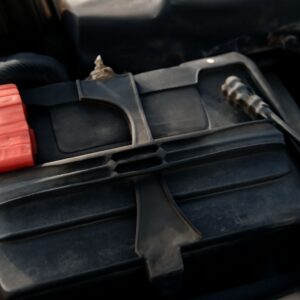
The battery powers your vehicle’s electrical systems, including the starter motor. If your car won’t crank, checking the battery’s health is crucial. Look for symptoms such as dim headlights or a slow cranking engine. Electrical issues might not be limited to the battery itself but can include corroded terminals or faulty alternators, leading to insufficient power to start the car.
Fuel System Problems
Fuel system issues can also prevent a car from starting. A clogged fuel filter or malfunctioning fuel pump can disrupt the flow of fuel necessary for the engine to start. Regular maintenance of the fuel system can prevent these problems, ensuring that fuel reaches the engine efficiently.
Starter Motor Failure
The starter motor initiates the engine’s operation, and any failure within this component can lead to starting problems. Symptoms include a clicking noise or no sound when attempting to start the vehicle. Diagnosing starter motor issues usually requires professional inspection and repair to ensure proper functionality.
Car Suddenly Won’t Start: Immediate Actions
Safety Precautions
Before diagnosing the issue, ensure your vehicle is in a safe location and engage the parking brake. Avoid attempting to start the car repeatedly, as this can exacerbate certain issues or drain the battery further.
Quick Diagnostic Steps
Begin with basic checks: examine the battery connections, listen for unusual sounds, and check the fuel level. Performing these initial diagnostic steps can often reveal potential problems quickly.
Troubleshooting When My Car Won’t Start and It’s Not the Battery
Examining the Starter Motor
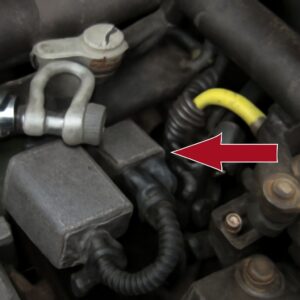
If the battery is not the issue, inspecting the starter motor is the next logical step. Look for signs of wear or damage, and consider professional help for a detailed examination.
Checking the Fuel System
Ensure the fuel system is functioning properly by inspecting fuel lines and ensuring the fuel pump is operational. Regular maintenance can prevent many fuel-related issues.
Professional Repairs for Car Not Starting Up
When to Call a Mechanic
If basic troubleshooting does not resolve the issue, it is advisable to seek professional help. A mechanic can conduct a thorough inspection and perform necessary repairs to resolve complex problems.
Finding Reliable Repair Services
Choose repair services with a good reputation and experience in handling no-start issues. Ensure they follow industry standards to guarantee quality and reliability in their work.
Pro tips recap: Regular maintenance of the battery, ignition, and fuel systems can prevent many common starting issues. Always exercise caution and seek professional advice when necessary to ensure safe and effective repairs.