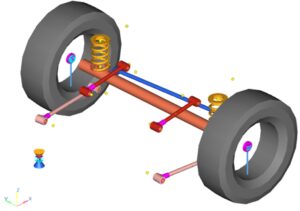
Have you ever wondered, does my car have shocks or struts? Understanding the components of your vehicle is crucial for maintaining its performance and safety. This guide will delve into how many struts a car typically has, and explore whether your car has a black box, a timing belt or chain, and if your car key has a chip. These components play significant roles in your vehicle’s function, and knowing about them can help you make informed maintenance decisions.
From identifying whether your car uses shocks or struts to discovering hidden features like a black box, understanding these elements can enhance your ownership experience. This article clarifies these aspects to help you maintain your vehicle with confidence and precision.
Understanding Shocks and Struts
Differences Between Shocks and Struts
Shocks and struts are both vital components of a car’s suspension system, but they serve different functions. While shocks help control the impact and rebound movement as a car travels over bumps, struts are a structural part of the suspension system and support the car’s weight.
How to Identify Shocks or Struts in Your Car
To determine if your car has shocks or struts, inspect the suspension system. Typically, struts are integrated with the coil spring, whereas shocks are separate components. Consulting a professional mechanic can provide a definitive answer.
How Many Struts Does a Car Have?
Typical Car Strut Configurations
Most vehicles are equipped with four struts, one at each wheel. However, some cars might have a combination of struts and shocks, with struts often found at the front for better handling and shocks at the rear.
Checking Your Car’s Struts
To check your car’s struts, look under the vehicle at the suspension system. If you are unsure, a vehicle service manual or expert mechanic can assist in identifying how many struts your car has.
Does My Car Have a Black Box?
Purpose of a Black Box
A black box, or event data recorder, captures crucial data about a vehicle’s performance and crash-related information. This technology helps in analyzing accident details and improving vehicle safety standards.
Locating the Black Box in Your Vehicle
Typically, the black box is located under the dashboard or beneath the seats. Checking the vehicle’s manual or consulting with a professional can help locate the black box in your car.
Does My Car Have a Timing Belt or Chain?
Timing Belt vs. Timing Chain
The timing belt and timing chain both synchronize the engine’s camshaft and crankshaft. A belt is quieter and requires periodic replacement, while a chain is more durable and usually lasts the lifetime of the engine.
How to Check Your Car for a Timing Belt or Chain
To find out if your vehicle has a timing belt or chain, examine the engine or consult the owner’s manual. A mechanic can also verify this and recommend maintenance schedules.
Does My Car Key Have a Chip?
What is a Chip Key?
A chip key, also known as a transponder key, contains a microchip that communicates with the vehicle’s ignition system. This anti-theft feature allows the engine to start only if the correct key is used.
Determining If Your Car Key Has a Chip
Inspect your car key for a plastic head, which may indicate the presence of a chip. Alternatively, a locksmith or dealership can confirm whether your key contains a chip.
Pro tips recap: Regularly inspect your car’s suspension system to determine if it uses shocks or struts. Check your vehicle’s manual for strut configurations, black box location, and timing belt or chain details. For added security, verify if your car key is a chip key. Consulting with a professional ensures accurate information and proper maintenance.