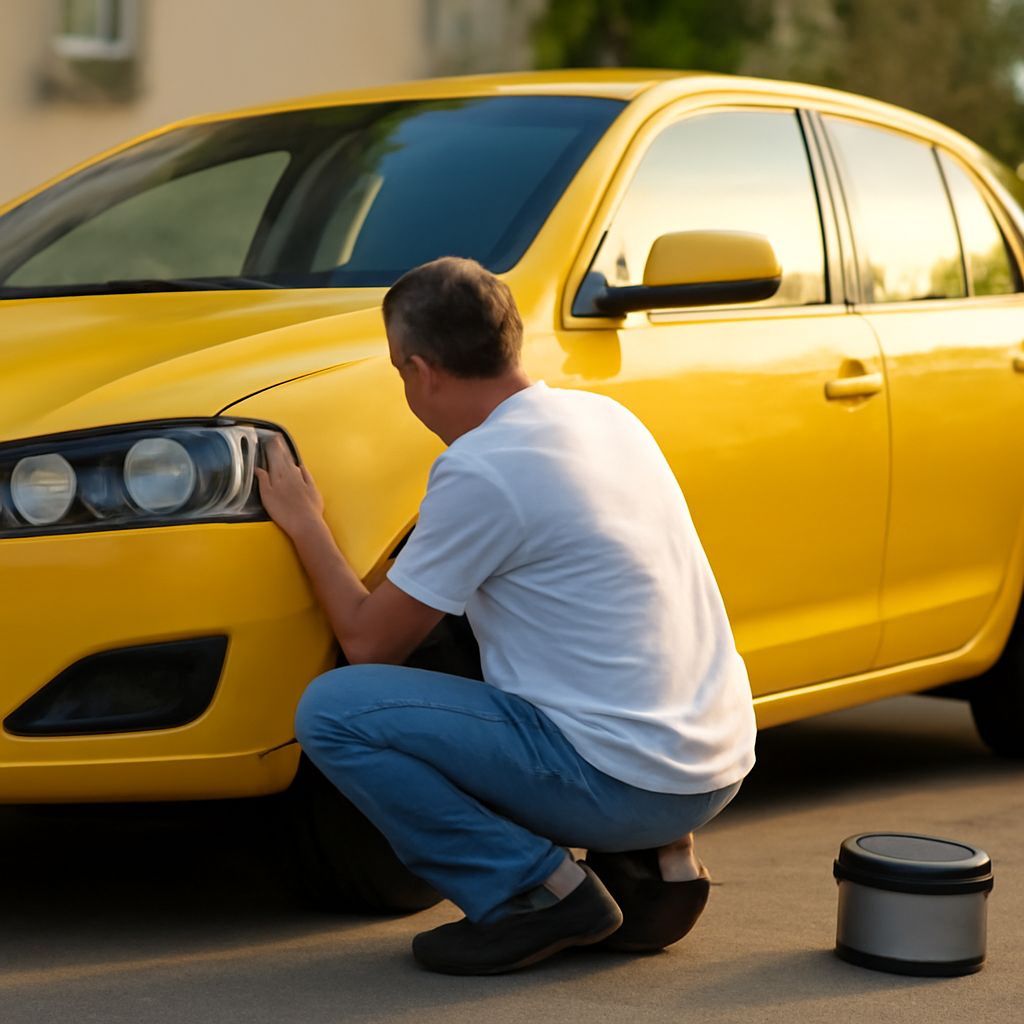
Have you ever wondered how the best car color can impact your vehicle’s appearance and resale value? Choosing the right color isn’t just about aesthetics; it also plays a crucial role in maintenance and market appeal. Additionally, knowing how to use car touch up paint can make a significant difference in keeping your car looking pristine.
Whether you’re dealing with small paint chips or unsightly scratches, learning the techniques to apply touch up paint to car surfaces effectively is essential. This guide delves into selecting the best car color and offers a comprehensive tutorial on utilizing car touch up paint. Let’s explore how you can maintain your vehicle’s finish with confidence.
Introduction to Choosing the Best Car Color
Factors to Consider in Choosing a Car Color
Selecting the best car color involves several factors beyond personal preference. Climate can affect color longevity; lighter shades often fare better in sunny regions, reducing heat absorption and fading. Meanwhile, darker hues can enhance the sleekness of a vehicle but might show dirt and scratches more prominently.
Popular Car Colors and Their Benefits
The market offers a variety of popular car colors, each with its benefits. Classic colors like black, white, and silver are timeless, providing a balance of style and ease of maintenance. White reflects sunlight and hides small paint chips well, while silver offers a neutral tone that complements most designs.
How to Use Car Touch Up Paint Successfully
Essential Tools and Materials
Before applying car touch up paint, gather essential tools: a fine-tip brush, sandpaper, and a microfiber cloth. These materials ensure precision and a smooth finish. A steady hand and patience are equally important to achieve professional-looking results.
Preparing the Surface for Touch Up Paint
Preparation is key when using car touch up paint. Clean the area thoroughly to remove any debris or wax. Sand the damaged spot lightly with fine-grit sandpaper to ensure the paint adheres properly. This step prevents peeling and ensures longevity.
Easy Steps to Fix Small Paint Chips on Your Car
Cleaning and Preparing the Chipped Area
Begin by washing the chipped area with soap and water, then dry it completely. This step is crucial to remove contaminants that can affect the adhesion of touch up paint.
Applying the Touch Up Paint
Using the fine-tip brush, apply the car touch up paint in thin layers, allowing each coat to dry before adding the next. This technique prevents drips and achieves a smooth, even appearance.
Applying Touch Up Paint to Car Scratches Effectively
Assessing the Damage
Not all scratches require the same approach. Determine the depth of the scratch; surface scratches might only need polishing, while deeper ones need touch up paint. Use this assessment to guide your repair strategy.
Step-by-Step Application Process
For deeper scratches, clean and sand the area as previously described. Apply the car touch up paint gently, following the scratch’s direction. Multiple thin layers build a seamless integration with the existing paintwork.
Final Touches and Aftercare
Polishing and Sealing the Painted Area
Once the touch up paint has dried, polish the area with a microfiber cloth and apply a clear coat to seal it. This final step enhances the shine and protects the newly painted area from environmental damage.
Regular Maintenance Tips
Maintain your car’s finish by washing regularly and applying wax every few months. These practices help protect against future damage and keep the paint looking fresh.
Pro tips recap: Selecting the best car color involves balancing aesthetics with maintenance ease. When using car touch up paint, preparation is key; clean, sand, and apply multiple thin layers for best results. Regular care extends the life and appearance of your car’s paintwork.