Have you ever wondered what makes modern vehicles so efficient and reliable? At the heart of this technology lies the Powertrain Control Module (PCM), a critical component that ensures optimal car performance. But what is a PCM on a car, and why is it so essential? Understanding its role, especially how it connects car components, can illuminate why a healthy battery is indispensable for starting a car engine.
By diving into the intricacies of PCM car systems, we can appreciate how they seamlessly integrate various vehicle functions. This article explores the significance of a robust PCM system, its impact on engine performance, and the importance of proper maintenance to avoid common PCM issues.
What is a PCM on a Car?
The Powertrain Control Module (PCM) is a vital electronic unit in modern automobiles. It acts as the brain of the vehicle, managing engine and transmission functions to ensure the car runs smoothly. Unlike older vehicles, which had separate control units for different operations, today’s cars rely on a single PCM to handle multiple processes efficiently. This integration enhances both performance and fuel economy.
Understanding what a PCM on a car does involves recognizing its comprehensive role in vehicle management. By monitoring various sensors, the PCM adjusts engine operations to maintain optimal conditions. This adaptation is crucial for improving engine performance and reducing emissions, highlighting the PCM’s essential function in modern automotive technology.
How the PCM Connects Car Components
The PCM serves as a central hub, connecting various car components via a network of sensors and actuators. This interconnected system allows the PCM to receive real-time data about the vehicle’s operation, such as engine temperature, throttle position, and air-fuel mixture. By analyzing this data, the PCM can make immediate adjustments to maintain optimal performance.
This connection between car components ensures that the vehicle operates efficiently. For example, if the PCM detects a change in engine load, it can adjust the fuel injection timing accordingly. Thus, the PCM not only connects car components but also coordinates their functions, enhancing overall vehicle performance.
Why the PCM is Crucial for Starting a Car Engine
Starting a car engine is a complex process that relies heavily on the PCM. When the ignition key is turned, the PCM receives signals from various sensors to assess whether conditions are suitable for starting the engine. This includes checking the battery’s health, which is essential for the PCM to function correctly.
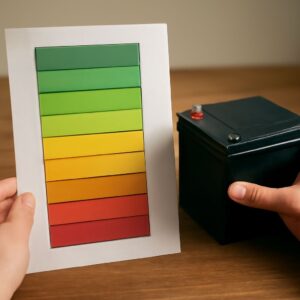
A healthy battery is vital to start a car engine because it provides the necessary electrical power for the PCM and other components. Without sufficient power, the PCM cannot execute its functions, potentially leading to engine starting issues. Therefore, ensuring a robust electrical system is crucial for reliable vehicle operation.
Common PCM Issues and Solutions
Like any component, the PCM can encounter issues that affect vehicle performance. Common PCM issues include software malfunctions, sensor failures, and electrical problems. These issues can lead to symptoms such as poor fuel economy, engine stalling, or difficulty starting the engine.
Addressing these PCM issues often involves diagnostic testing, which can identify fault codes stored in the PCM. Solutions may include updating the PCM software, repairing faulty sensors, or resolving electrical connectivity problems. Regular maintenance and timely repairs can prevent these issues from escalating, ensuring a smooth and efficient vehicle operation.
Maintaining Your Car’s PCM and Battery
Regular maintenance is key to prolonging the life of your car’s PCM and battery. Routine checks should include inspecting electrical connections, testing the battery’s voltage, and ensuring all sensors are functioning correctly. By maintaining these components, you can prevent common PCM issues and ensure your vehicle remains reliable.
Additionally, keeping the battery healthy is essential for the PCM to perform optimally. Regularly testing the battery and replacing it when necessary can prevent unexpected breakdowns and ensure the PCM receives the power it needs to manage the vehicle effectively.
Key takeaways: The PCM is an integral component that manages critical vehicle functions by connecting car components. A healthy battery is essential for starting a car engine and supporting the PCM’s operation. Regular maintenance and timely repairs can prevent common PCM issues and enhance vehicle reliability.