What is a sway bar on a car? It is one of those suspension components that most drivers have heard of but few can accurately describe. Understanding the car sway bar, along with other frequently misunderstood terms like what is a tuneup on a car, what is a cowl on a car, and what is a plenum on a car, helps owners communicate more effectively with mechanics and make more informed maintenance decisions.
Each of these terms refers to a distinct vehicle system or component, and knowing the basics prevents misunderstandings that can lead to unnecessary or missed repairs. This guide defines each one clearly and explains why it matters.
What Is a Sway Bar on a Car
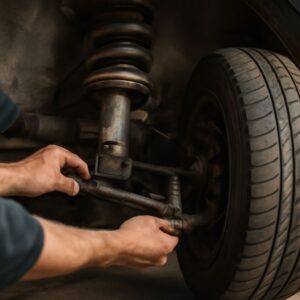
What is a sway bar on a car in functional terms? It is a torsional spring—typically a steel bar—that connects the left and right sides of the suspension system. Its purpose is to resist body roll during cornering by transferring force between the two sides of the suspension. When one wheel moves up due to a bump or corner, the sway bar distributes that force to the opposite wheel, reducing the lean angle of the vehicle body. A car sway bar that is worn or has failed end links will produce a clunking sound over bumps and allow excessive body lean during turns, both of which affect vehicle handling and safety. Sway bar end links are the most commonly replaced components associated with the car sway bar system, and replacement is relatively straightforward at most service shops.
What Is a Tuneup on a Car
What is a tuneup on a car in modern terms? The definition has evolved significantly from the carburetor-era service that the term originally described. A modern tuneup typically includes spark plug replacement, inspection of ignition coils, replacement of air and cabin filters, fuel system cleaning, and a diagnostic scan for stored fault codes. On older vehicles with distributors, a tuneup also involves distributor cap and rotor replacement. What is a tuneup on a car from a frequency standpoint depends on the spark plug type—copper plugs may need replacement every 30,000 miles, while iridium or platinum plugs can last 60,000 to 100,000 miles. Scheduling a tuneup at manufacturer-recommended intervals maintains fuel efficiency and prevents misfires that can damage catalytic converters.
What Is a Cowl on a Car
What is a cowl on a car? The cowl is the structural panel located at the base of the windshield, between the hood and the firewall. It serves multiple purposes: it channels air into the cabin HVAC system through fresh-air intake vents, it provides structural rigidity to the front of the passenger compartment, and it conceals the base of the windshield wipers. What is a cowl on a car from a maintenance perspective? The cowl panel contains drainage holes that can become clogged with leaves and debris, causing water to pool and potentially enter the cabin or damage the wiper motor. Periodic cleaning of the cowl area is a simple preventive maintenance step that most owners overlook.
What Is a Plenum on a Car
What is a plenum on a car? In the context of an intake system, the plenum is the pressurized air chamber that distributes air evenly to each cylinder’s intake port. It acts as a buffer volume that smooths out the pulsating air demand created by the engine’s intake strokes, ensuring each cylinder receives a consistent and adequate air supply. What is a plenum on a car in an HVAC context? The term also refers to the ductwork chamber inside the dashboard that receives conditioned air from the blower and distributes it to the cabin vents. Plenum gaskets on the engine intake side can develop leaks that cause vacuum-related running problems, so inspection during a tuneup is advisable. Key takeaways: the car sway bar controls body roll, the tuneup addresses ignition and filter maintenance, the cowl channels air and protects structural components, and the plenum manages air distribution in both the engine and HVAC systems.