A car door looks simple from the outside, but it contains more components than most drivers realize. The parts of a car door range from structural elements welded to the chassis to small plastic clips holding trim panels in place, and knowing what each one does matters when something breaks or needs replacement. A sports car lease agreement often restricts how and where body repairs can be performed, so lessees in particular benefit from understanding car door parts name terminology before speaking with a body shop. Joint ownership of car situations add another layer of consideration, since both owners may need to approve repair decisions, and clarity on what failed and what the fix involves prevents disagreements. For vehicles held under joint ownership of car title, understanding the repair scope also affects insurance claims and how costs are allocated between co-owners.
Main Exterior Parts of a Car Door
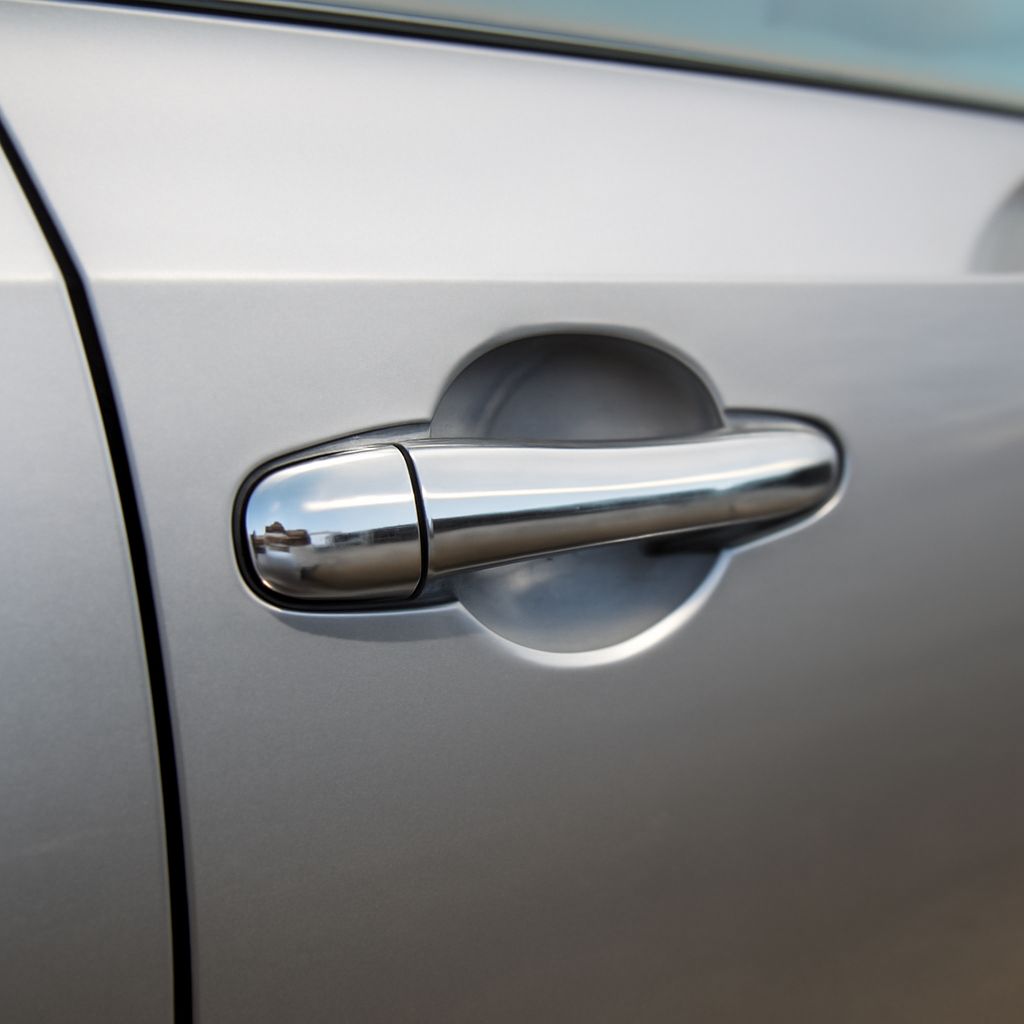
The outer door skin is the large formed metal panel that gives the door its visible shape. Behind it sits the door shell or inner door frame, a structural assembly that holds the window regulator, speaker mounts, and latch mechanism. The outer door handle, typically attached with two bolts and a rod clip, connects to the latch mechanism through an actuating rod. Door moldings and protective strips run along the lower edge to absorb parking lot contact. The window frame on frameless doors on coupes and sports cars is part of the door skin itself, while framed doors include a separate channel welded to the top of the door shell. Each of these parts of a car door can be sourced separately, which makes targeted repair possible without replacing the entire door assembly.
Interior Door Components and Their Functions
The interior door panel is a molded plastic or fabric-covered assembly that clips and screws to the inner door frame. Behind it are the window regulator, which moves the glass up and down via a motor or hand crank, and the wiring harness that connects the power window switch, door lock actuator, mirror adjustment motor, and speaker to the vehicle’s electrical system. The vapor barrier, a plastic sheet sandwiched between the inner panel and the door frame, prevents moisture from the window channel from reaching the interior. The door check strap limits how far the door can open to protect hinges and adjacent body panels from overextension damage.
Car Door Parts Name Reference for Repairs and Replacements
Using the correct car door parts name when ordering components saves time and prevents receiving the wrong part. Common terms include the door latch assembly, the striker plate on the B-pillar, the window regulator, the door hinge, the glass run channel, the weatherstrip, the outer door handle, the inner door release lever, and the mirror mounting bracket. Using the correct car door parts name when communicating with a parts supplier or body shop also reduces misquotation risk. VIN-specific parts lookups at suppliers cross-reference these names to exact part numbers for the vehicle’s year, make, and model.
How Sports Car Lease Agreements Affect Door Repairs
A sports car lease contract typically includes a fair wear and tear standard that defines which types of damage the lessee is responsible for at lease return. Dents, deep scratches, and broken door components that exceed normal wear are charged back to the lessee. Some sports car lease agreements require that repairs be performed at manufacturer-approved body shops to maintain certification standards, which affects where repairs can be sourced and how much they cost. Understanding these restrictions before authorizing any repair work prevents additional charges at lease return.
Joint Ownership of Car and Who Approves Repairs
Joint ownership of car means two or more people share legal interest in the vehicle. When a door component fails, the question of who authorizes the repair and how costs are split depends on the ownership agreement between the parties. For informal co-ownership arrangements without a written agreement, disputes over repair decisions are common. Establishing a clear written understanding of how joint ownership of car responsibilities are shared, including repair decisions above a set dollar threshold, avoids conflict when damage occurs.
Joint Ownership of Car Title and Repair Liability
A joint ownership of car title lists multiple people as legal owners, and an insurance claim on the vehicle typically requires consent or notification from all title holders. When a door repair requires an insurance claim, the insurer may contact all parties listed on the joint ownership of car title before processing the payout. Understanding this process in advance ensures that all owners are prepared to respond promptly, which prevents delays in getting the vehicle repaired and returned to service.
Next Steps When a Door Component Fails
Start with a visual inspection to identify whether the failure is in the latch, the regulator, the handle, or the structural shell. Photograph the damage before any repair work begins, both for insurance purposes and to document pre-existing condition if the vehicle is leased or co-owned. Request an itemized repair estimate that lists each component by name and part number, and verify that replacement parts meet any lease or warranty requirements before authorizing the work.