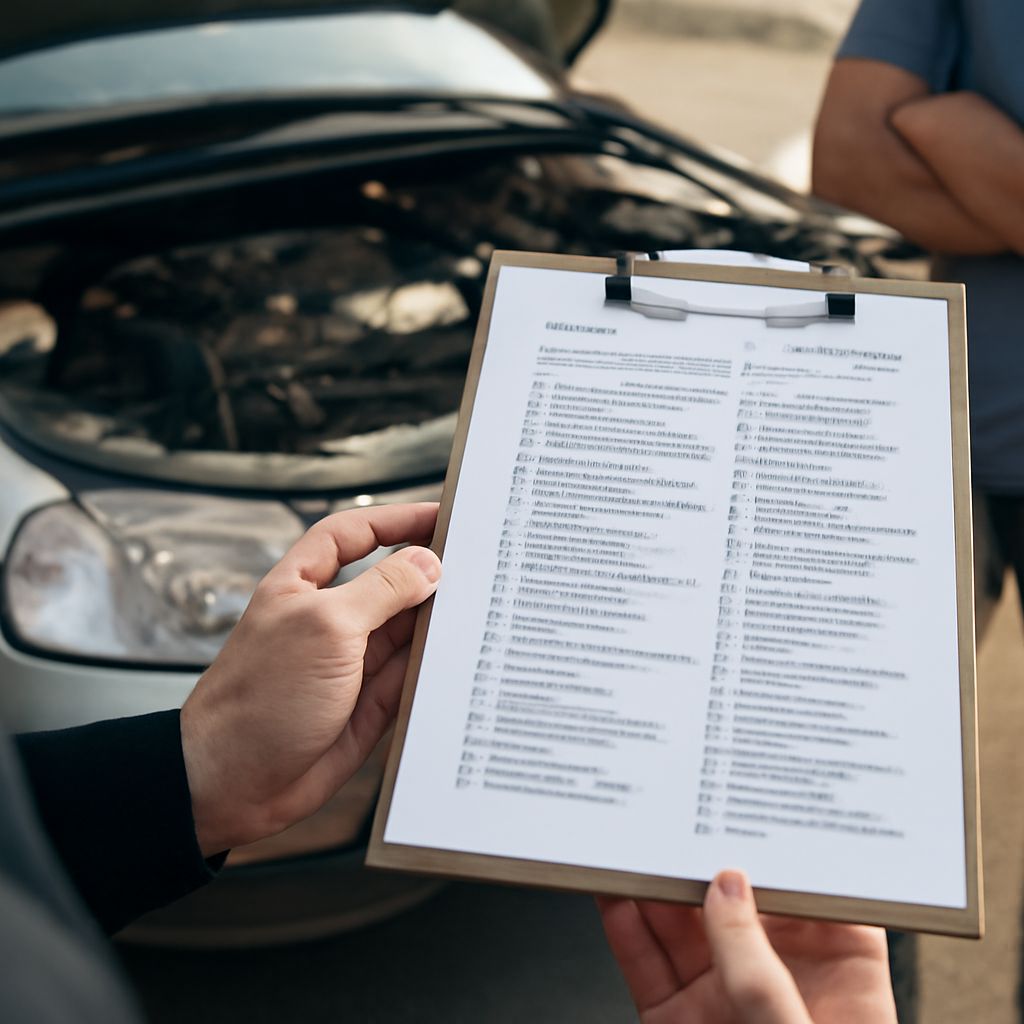
A used car inspection checklist gives buyers a structured way to evaluate a vehicle without relying solely on the seller’s representation. Private sellers and even dealerships may not disclose every issue, and the cost of overlooked problems can quickly exceed any savings made on the purchase price. Having a buying a used car checklist in hand during a viewing makes the process methodical rather than impressionistic.
The scope of a used car buying checklist ranges from quick visual checks any buyer can perform to technical evaluations that require a lift and diagnostic equipment. A used car mechanic inspection checklist, completed by a qualified technician, covers what the untrained eye cannot assess reliably. Both approaches serve different purposes, and using them together produces the most complete picture before committing. This guide works as a practical used car check list that covers both layers.
Exterior Checks
Paint and Panels
Walk the entire vehicle in good daylight. Look along each panel at a low angle to spot waves, ripples, or color variation that suggests prior bodywork or repainting after a collision. Mismatched paint between panels, gaps that are uneven on one side compared to the other, and overspray on rubber trim are reliable indicators of repairs that may not appear in documentation.
Glass and Seals
Check all glass for chips, cracks, and delamination around edges. Inspect door and trunk seals for tears or compression failures. Water intrusion from failed seals causes rust, mold, and electrical damage, often discovered only after purchase.
Mechanical Checks
Under the Hood
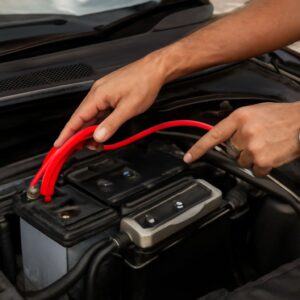
Examine fluid levels and colors: engine oil should be amber to dark brown without a milky appearance (milky oil suggests coolant contamination). Coolant should be clean, not rusty or oily. Check the battery terminals for corrosion. Look for oil residue on the underside of the hood and around the valve cover, which points to leaks.
Engine Start and Idle
Start the engine cold if possible. Smoke on startup and how quickly the engine reaches operating temperature both provide diagnostic information. A rough idle, misfires, or unusual sounds during warm-up are worth noting on any used car inspection checklist before the test drive begins.
Interior Assessment
Seat condition, carpet wear patterns, and odor all indicate how a vehicle was used. Worn driver’s seat bolsters on a low-mileage car are inconsistent and suggest odometer tampering or heavy short-trip use. Test every electronic feature: windows, mirrors, climate controls, infotainment, and charging ports. Non-functional features often cost more to repair than buyers anticipate.
Check under floor mats for rust or water staining. Open the trunk and look for rust on the spare tire well floor. These hidden areas are frequently the first to show water intrusion damage on vehicles with compromised seals.
The Professional Inspection Layer
A used car mechanic inspection checklist goes further than what a buyer can observe visually. A technician on a lift can check brake rotor thickness, suspension component wear, exhaust system integrity, frame damage, and fluid leaks from underneath. OBD-II scanners read fault codes stored in the vehicle’s computer, including codes that were cleared recently — a pattern that suggests recurring problems the seller may be managing rather than fixing.
Paying for a pre-purchase inspection by an independent mechanic, not affiliated with the selling dealer, is one of the most cost-effective steps available. The inspection fee is typically small relative to the value of the vehicle and can either confirm confidence in the purchase or reveal issues that justify renegotiating the price.
Pro Tips Recap
Use a used car buying checklist during the in-person viewing to organize observations systematically. Follow up with a full used car check list inspection at an independent shop before finalizing any purchase. A buying a used car checklist covers the visible; the mechanic’s report covers everything below the surface. Both together give the clearest view of what a vehicle is actually worth and what it will cost to own.