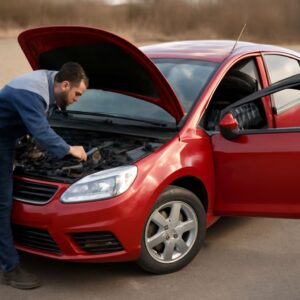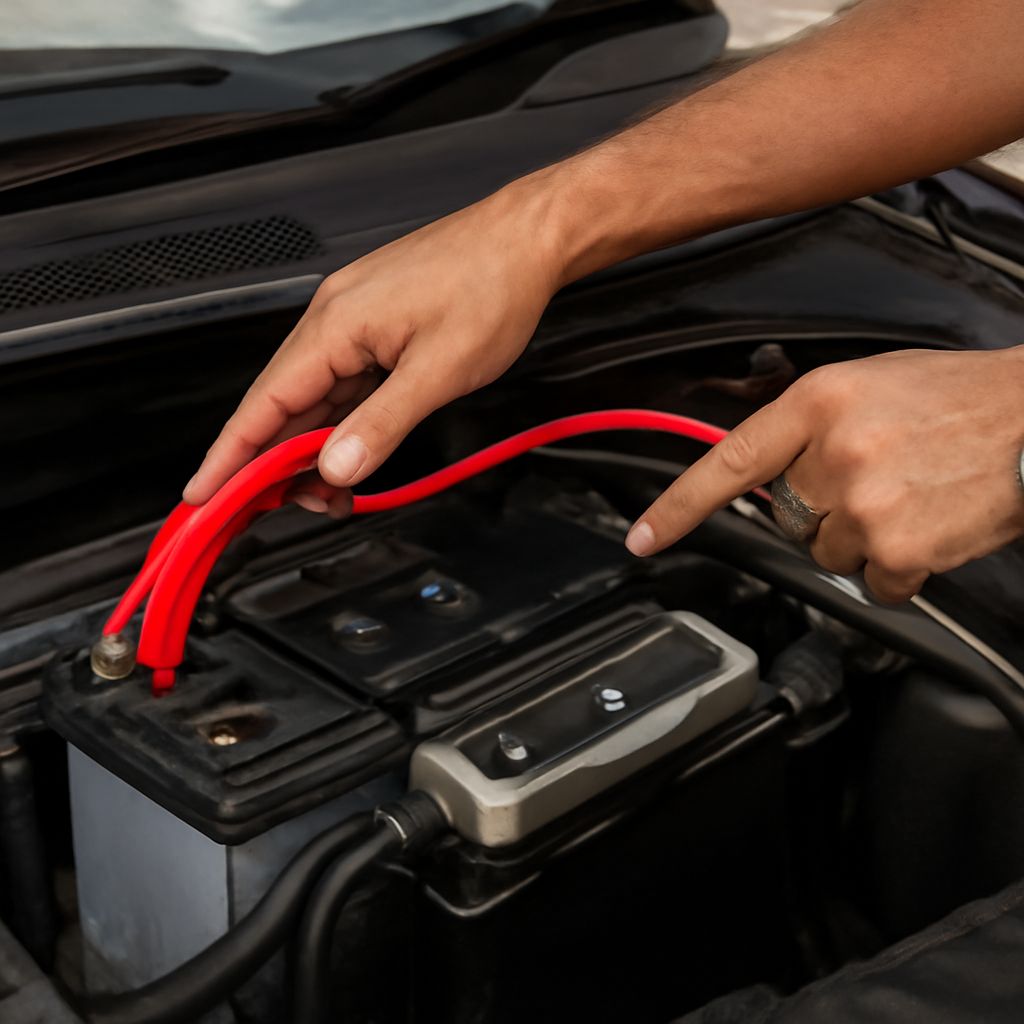
A dead or depleted battery does not always mean the battery needs replacing — often it just needs a proper recharge. Charging a car battery with a charger is a straightforward process, but the amperage setting chosen determines how quickly the battery recovers and whether the charging process stresses the cells unnecessarily. Getting the numbers right protects the battery and avoids the frustration of a charge that appears complete but leaves the battery unable to start the engine.
The most common questions around how long to charge car battery at 6 amps, how long to charge a car battery at 40 amps, and how long to charge a car battery at 50 amps all have the same underlying answer: it depends on the battery’s capacity and its current state of discharge. Understanding charge car battery with charger principles, particularly the relationship between amperage and time, prevents both undercharging and overcharging.
Battery Capacity and State of Discharge
Most passenger car batteries carry a capacity between 45 and 75 amp-hours (Ah). A battery rated at 60 Ah that has discharged to 50% of its capacity needs to recover 30 Ah. Dividing the Ah needed by the charger output gives a rough charging time estimate — though chargers slow down as the battery approaches full charge, extending the actual time beyond the simple calculation.
Why State of Discharge Matters
A deeply discharged battery — one that reads below 11.8 volts — may not accept a charge immediately from all charger types. Smart chargers handle this by applying a low conditioning current until the battery recovers enough voltage to accept a normal charge rate. A manual charger applied to a deeply discharged battery at high amperage can damage the plates.
Charging at 6 Amps: The Slow and Safe Method
A 6-amp charge rate is considered a trickle or maintenance charge. At this rate, a fully depleted 60 Ah battery takes approximately 10 hours to reach full charge. The low current generates minimal heat, which protects the battery’s internal plates and electrolyte. This is the recommended approach for batteries that will sit on the charger overnight or for batteries that have been heavily cycled and benefit from a slow recovery.
When considering how long to charge car battery at 6 amps for a partially discharged battery — say, one at 70% — the time drops to roughly 3 to 4 hours. A smart charger at this rate will taper automatically as the battery nears full charge, preventing overcharging without requiring manual monitoring.
High-Amperage Charging: 40 and 50 Amps
High-current charging is used when time is the priority. At 40 amps, a 50% discharged 60 Ah battery can recover enough charge to start the engine in 30 to 45 minutes, though full charge takes longer. At 50 amps, the window shrinks further — approximately 20 to 30 minutes for an engine-start charge, with the full cycle still requiring an hour or more.
The answer to how long to charge a car battery at 40 amps for a full charge on a discharged 60 Ah battery is roughly 1.5 to 2 hours. For how long to charge a car battery at 50 amps, the same battery takes approximately 1 to 1.5 hours under ideal conditions. Heat buildup is a real concern at these rates — high-amperage charging should not be left unattended, and the charger should be disconnected as soon as the charge indicator signals completion.
Choosing the Right Charger for the Battery Type
Not all chargers work safely with all battery types. Standard flooded lead-acid batteries, AGM batteries, and gel batteries each have different voltage and current requirements. Charging a car battery with a charger designed for a different chemistry can damage the battery permanently or cause dangerous pressure buildup.
Smart Chargers vs. Manual Chargers
Smart chargers detect the battery type, adjust the charge profile automatically, and stop or switch to float mode when the battery reaches full charge. Manual chargers deliver a constant current regardless of battery state and require the user to disconnect them at the right time. For most home use, a smart charger at 6 to 10 amps eliminates the risk of overcharging and extends battery service life.
Key takeaways: Match charger amperage to the available time — 6 amps overnight for a safe full charge, 40 to 50 amps when a quick start charge is needed. Always use a charger rated for the battery chemistry in the vehicle, and prefer a smart charger that stops automatically to avoid overcharging and heat damage.