A broken-down vehicle creates a chain of problems — missed work, lost income, and mounting expenses. For drivers without savings to cover a large repair bill, car repair assistance programs offer a path forward without taking on high-interest debt. These resources exist at the local, state, and national level, and most people in genuine need qualify for at least one of them.
The availability of free car repair or subsidized repair depends heavily on location and household income. Car repair assistance for low income households is the most widely available category, with programs run by nonprofits, government agencies, and faith-based organizations across the country. Car repair grants do not need to be repaid and are the most valuable form of assistance, though they often come with eligibility requirements. Low income car repair programs typically require proof of income, vehicle ownership, and a documented need — most applications take a week or less to process.
Government-Backed Assistance Programs
No single federal program covers car repair directly, but several federal-funded initiatives touch on transportation support. The Temporary Assistance for Needy Families (TANF) program, administered by states, sometimes covers vehicle repair for recipients who need reliable transportation to maintain employment. Eligibility and covered amounts vary significantly by state.
State workforce development agencies occasionally offer vehicle repair grants to participants in job training programs, recognizing that transportation barriers prevent program completion. Contacting the local workforce development board is a practical starting point for anyone already enrolled in or eligible for these programs.
Nonprofit and Faith-Based Organizations
The largest category of car repair assistance comes from nonprofits and religious organizations. Groups like the Salvation Army, Catholic Charities, St. Vincent de Paul, and local community action agencies maintain emergency funds that sometimes cover transportation costs including repairs.
How to Find Local Nonprofits
Dialing 211 — the national social services helpline — connects callers to local resource databases covering transportation assistance. The 211 database is updated regularly and covers programs that do not appear in general internet searches. Most operators can also help with application processes over the phone.
Mechanics Who Volunteer Their Labor
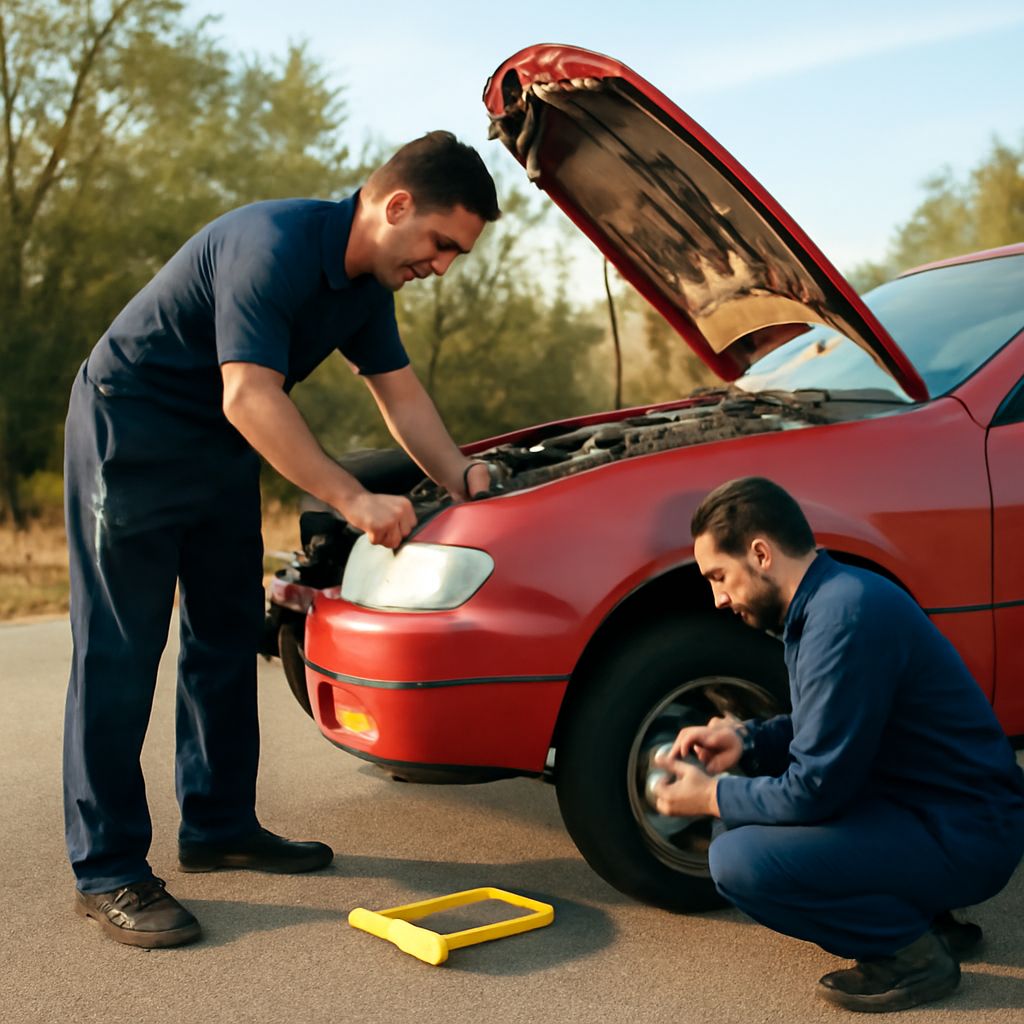
Several national programs coordinate volunteer mechanics who donate their time on weekends to repair vehicles for qualifying low-income families. These programs handle the parts cost separately through donations and cover labor at no charge. Applications go through local organizers rather than a central office.
Vocational Schools and Community Colleges
Automotive technology programs at community colleges and trade schools need vehicles for student training. They often accept repair requests from low-income owners and complete the work at parts cost only, with licensed instructors supervising. The work takes longer than a commercial shop, but quality is generally reliable and the savings are substantial.
This option works well for non-urgent repairs — brake work, cooling system issues, and drivetrain problems that do not leave the vehicle completely undrivable. Emergency situations that require same-day work are better suited to emergency fund programs from nonprofits.
Car Repair Grants Through Specific Organizations
Several organizations offer car repair grants specifically for working families, veterans, or people with disabilities. The United Way chapters in some cities maintain transportation funds. Veterans can access assistance through the Veterans of Foreign Wars (VFW) or American Legion posts. People with documented disabilities may qualify through state vocational rehabilitation programs, which sometimes cover vehicle modifications and repairs necessary for employment.
Applications for these low income car repair grant programs typically require proof of income at or below a percentage of the federal poverty level, along with a repair estimate from a licensed shop and documentation of employment or active job searching.
Financing Options When Grants Are Not Available
When grant and assistance programs are not available or have waitlists, several financing options carry lower risk than payday loans. Credit unions often offer emergency personal loans at much lower rates than finance companies. Some auto repair chains offer deferred payment plans for qualifying customers. Free car repair is the best outcome, but a low-interest loan is far better than a high-interest alternative.
Pro tips recap: Start with a 211 call to identify local programs before applying anywhere. Gather proof of income, a repair estimate, and vehicle registration before starting applications to avoid delays. Vocational schools and volunteer mechanic programs work best for non-urgent repairs, while emergency nonprofit funds are better suited to immediate situations where the vehicle is unsafe to drive.