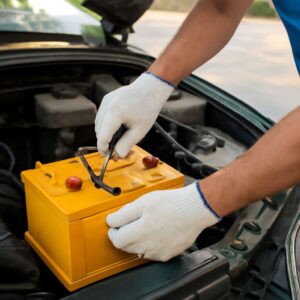
How long should a battery actually last, and what happens when it starts failing? The car battery lifespan varies based on climate, driving patterns, and how well the battery is maintained. Car battery leaking is one of the most urgent warning signs that a battery is nearing the end of its usable life, and ignoring it can damage surrounding components.
A leaking car battery releases corrosive sulfuric acid that eats through cables and mounting brackets. Keeping the right car battery accessories on hand and knowing how to check the car battery post can prevent costly repairs and unexpected breakdowns.
How Long Does a Car Battery Lifespan Last?
Most batteries last between three and five years. The car battery lifespan shortens in extreme heat, which accelerates internal chemical breakdown, and in cold climates, which increases the power demand on every start. Frequent short trips prevent the alternator from fully recharging the battery, cutting years off its effective life. Batteries in hot southern states often fail closer to the three-year mark, while those in moderate climates regularly reach five years or beyond.
Why Is My Car Battery Leaking?
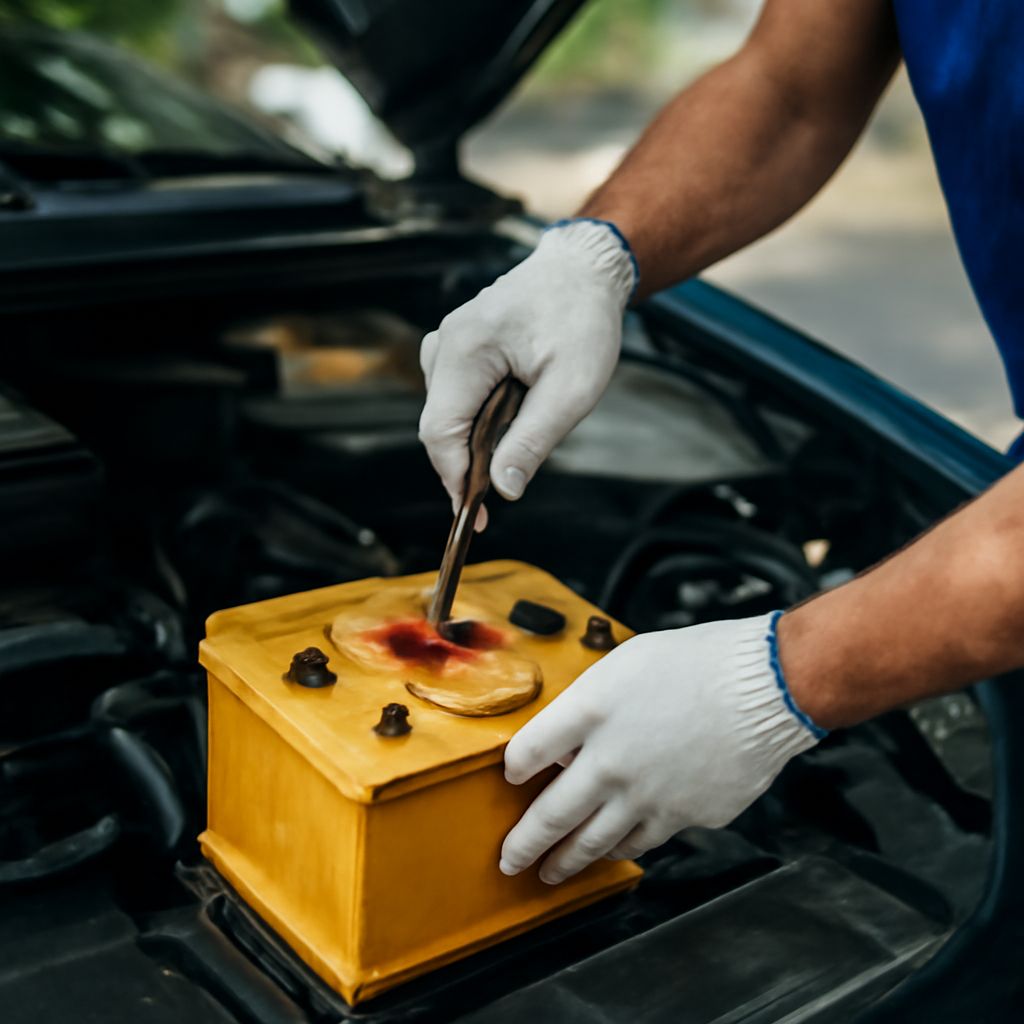
Car battery leaking typically happens for three reasons: overcharging, physical damage, or age-related case failure. When a charging system pushes too many volts into the battery, internal pressure builds until electrolyte forces its way out through seams or vents. A cracked case from road vibration or impact creates the same result. Old batteries often leak simply because the plastic casing becomes brittle over time.
What a Leaking Car Battery Looks Like
A leaking car battery usually leaves a crusty white or bluish residue around the terminals and base. In more severe cases, a wet oily film collects beneath the battery tray. The smell of rotten eggs near the engine bay is another clear sign of electrolyte escaping. Battery acid is corrosive, so any visible leakage should be addressed before touching the terminals or nearby wiring.
Car Battery Post: Corrosion and Inspection
The car battery post, the metal terminal on top or side of the battery, is where electrical current transfers to the vehicle’s cables. Corrosion at the battery post builds resistance, causing slow starts and erratic electrical behavior. A green or white powder around the post indicates acid vapors reacting with the metal. Cleaning the post with a mixture of baking soda and water neutralizes acid deposits without damaging the terminal. Inspect the battery post every six months as part of routine under-hood checks.
Car Battery Accessories That Extend Battery Life
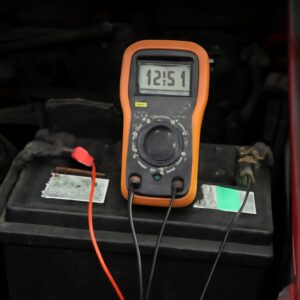
Several car battery accessories make maintenance easier and more effective. Terminal protectors, small felt washers coated with anti-corrosion compound, fit over the battery post and block acid vapor from building up. Battery testers let drivers check charge levels and cold cranking amps at home. A trickle charger or maintainer keeps the battery at full charge during long periods of storage, preventing sulfation that degrades battery plates. Battery hold-down brackets also reduce vibration damage, which directly extends battery life.
When to Replace Your Battery
A battery that cranks slowly in normal temperatures, fails a load test, or shows visible case damage needs replacement. Leakage that has compromised the surrounding tray or cables may require additional repairs beyond just a new battery. Most auto parts stores offer free battery testing, which gives a reliable read on remaining capacity and whether replacement is immediate or can wait a few months.
Key takeaways: Car battery lifespan averages three to five years, and a leaking car battery is a sign of overcharging, physical damage, or case failure. Regular inspection of the car battery post and use of protective car battery accessories can slow deterioration and prevent unexpected failures.