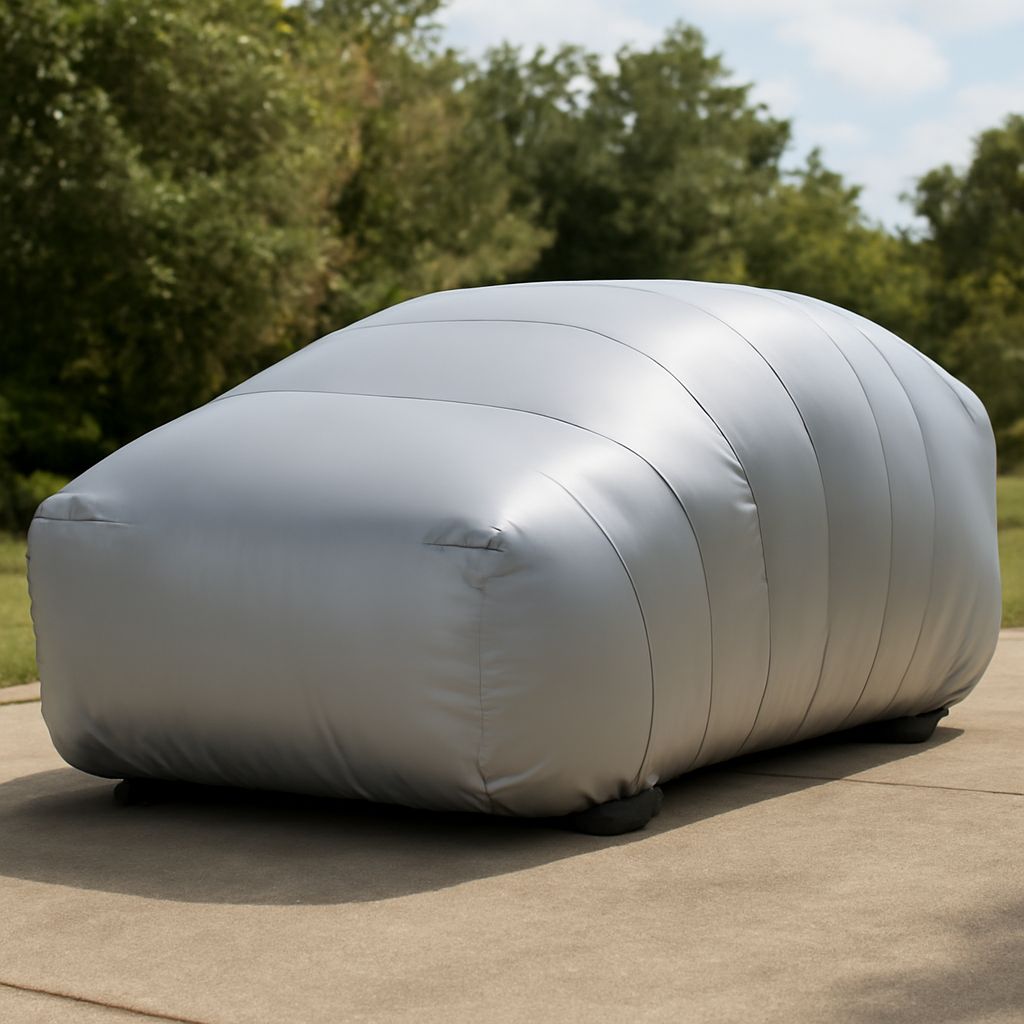
What separates a good vehicle cover from one that actually protects your paint through winter? The answer often comes down to fit and seal. An inflatable car cover takes a different approach from traditional drapes by using an air-filled chamber that conforms to body lines and locks out moisture at the edges. Whether a driver is comparing options or browsing a car cover world catalog for the first time, knowing how each type works makes the decision clearer.
From a basic snow car cover to a sensor-equipped smart car cover, the market now includes options for nearly every use case. A half car cover suits covered parking or mild climates, while full wraps handle serious exposure. This guide breaks down each type by function.
What Makes an Inflatable Car Cover Different
How Inflation Creates a Protective Barrier
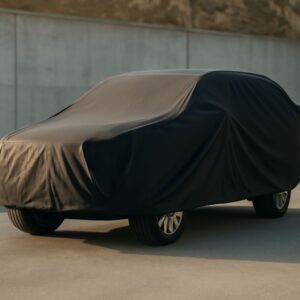
A standard car cover relies on elastic hems and tie-downs to stay in place. An inflatable version uses a perimeter bladder that fills with air, pressing the material snugly against the rocker panels and door gaps. That contact creates a buffer layer that traps warm air and prevents wind-driven rain or sleet from reaching the surface. The seal also reduces the chance of the cover rubbing against paint during gusts.
Durability in Cold and Wet Conditions
Most inflatable designs use multi-layer polyester or nylon with a waterproof outer shell. The bladder material needs to flex without cracking in freezing temperatures, so quality units use thermoplastic polyurethane rather than PVC. Seams are typically heat-welded rather than stitched. A cover that holds air at minus ten degrees serves a different market than one rated only for mild rain.
Snow Car Cover Types for Winter Protection
Weighted Edges vs. Inflatable Seals
A snow car cover with weighted hems stays put on flat driveways but can shift on sloped or uneven surfaces. Inflatable seals address this by anchoring to the car itself rather than to the ground. For areas with heavy snowfall and wind, the sealing design holds more reliably through overnight storms. A standard snowed-on cover often requires clearing before removal to avoid paint scratches; inflatable versions typically shed accumulation more evenly because the taut surface angles snow away.
Materials That Handle Ice and Moisture
Breathability matters even in winter. A snow-rated cover needs a moisture-wicking inner layer so condensation from the car itself does not collect and freeze against the paint. Outer layers rated for UV and abrasion extend lifespan beyond a single season. Car covers designed for snow climates generally include fleece or soft-fleece linings to prevent micro-scratches from frost particles.
Smart Car Cover Features Worth Knowing
Sensors and Auto-Fit Systems
A smart car cover may include pressure sensors that alert owners via a mobile app when the cover shifts or loses inflation. Some systems use a small onboard pump that maintains constant pressure regardless of temperature changes, which is useful in regions where daytime and nighttime temperatures swing dramatically. Auto-fit technology adjusts the bladder tension based on readings from multiple pressure points around the vehicle perimeter.
App-Controlled and Heated Options
The connected version of the smart cover allows remote deployment and retraction through a smartphone. Higher-end models include heating elements in the inner layer that prevent frost formation on windshields, reducing morning defrost time. These features add cost but serve drivers who park outdoors regularly in cold or high-UV climates.
Half Car Cover vs Full Coverage
When a Half Cover Is Enough
A half car cover protects the front clip, hood, and windshield from bird droppings, tree sap, and direct sun. It is lighter, easier to fold, and faster to apply than a full wrap. For vehicles parked in a garage with the rear portion already protected, or for daily drivers that only sit outside for a few hours, a half cover handles the task without the bulk.
Full-Wrap Solutions for Severe Weather
When a car sits outside through a full winter season or in a hail-prone region, full coverage is the practical choice. A full-wrap inflatable design covers every panel and typically includes straps that run under the chassis to prevent uplift in strong winds. The higher cost reflects the additional material and the inflation system that maintains tension across a larger surface area.
Navigating Car Cover World Options
A car cover world retailer typically organizes products by vehicle type, climate rating, and storage method. Drivers who want basic protection at a low price point will find non-inflatable half covers adequate. Those needing full winter protection with added convenience should consider inflatable or smart-equipped models. Measuring the vehicle length and noting the storage location, whether open driveway, carport, or indoor space, narrows the field quickly. Material weight, pack size, and warranty length are the remaining factors that separate similarly rated covers at different price levels.
Bottom line: Inflatable car covers offer a more secure fit than standard drapes, particularly in windy or snowy conditions. The right type, whether snow-rated, smart-equipped, or a half cover, depends on climate and how long the vehicle sits exposed. Checking car cover world listings by climate zone saves time and avoids buying a cover rated for the wrong conditions.