Long drives and daily commutes put constant pressure on the lower back and hips. A car cushion can change the experience of sitting behind the wheel, whether the goal is replacing worn-out padding or addressing a medical condition. Car seat foam degrades over time, losing the support it once provided. Replacing it or adding a pad on top are both practical paths depending on how far the original material has deteriorated.
Car seat foam replacement is appropriate when the original cushioning has compressed so severely that no add-on pad will compensate. A seat pad for car use offers a faster, less expensive fix for moderate wear or ergonomic needs. For drivers managing back problems, the best car seat cushion for sciatica addresses specific pressure points that standard seats do not. Matching the solution to the actual problem saves money and discomfort.
Understanding Car Seat Foam Wear
Factory seat foam is designed to last roughly 8 to 10 years under normal use. Heavy daily driving, temperature extremes, and a driver’s weight all accelerate compression. When car seat foam loses density, the driver sinks lower, which shifts the spine out of neutral alignment. This leads to fatigue on shorter trips and pain on longer ones.
Signs the Foam Needs Replacement
A seat that feels like sitting on a flat board rather than cushioned support has foam that has bottomed out. Visible sagging, fabric bunching, or a pronounced dip in the center of the cushion are physical signs of advanced wear. At this stage, placing a seat pad for car on top provides minimal relief because the structural support beneath is gone.
Choosing Replacement Foam
Car seat foam replacement uses high-resilience foam rated by density and firmness, usually expressed as a two-part number such as 2.0 density at 35 ILD. Higher density means longer life. Firmness (ILD) determines how hard the seat feels. Most automotive applications use medium-firm foam in the 30 to 40 ILD range. Cut-to-fit sheets from foam suppliers allow a close match to the original seat shape.
Seat Pad Types for Everyday Driving
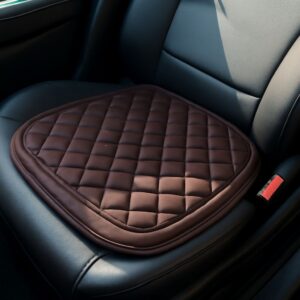
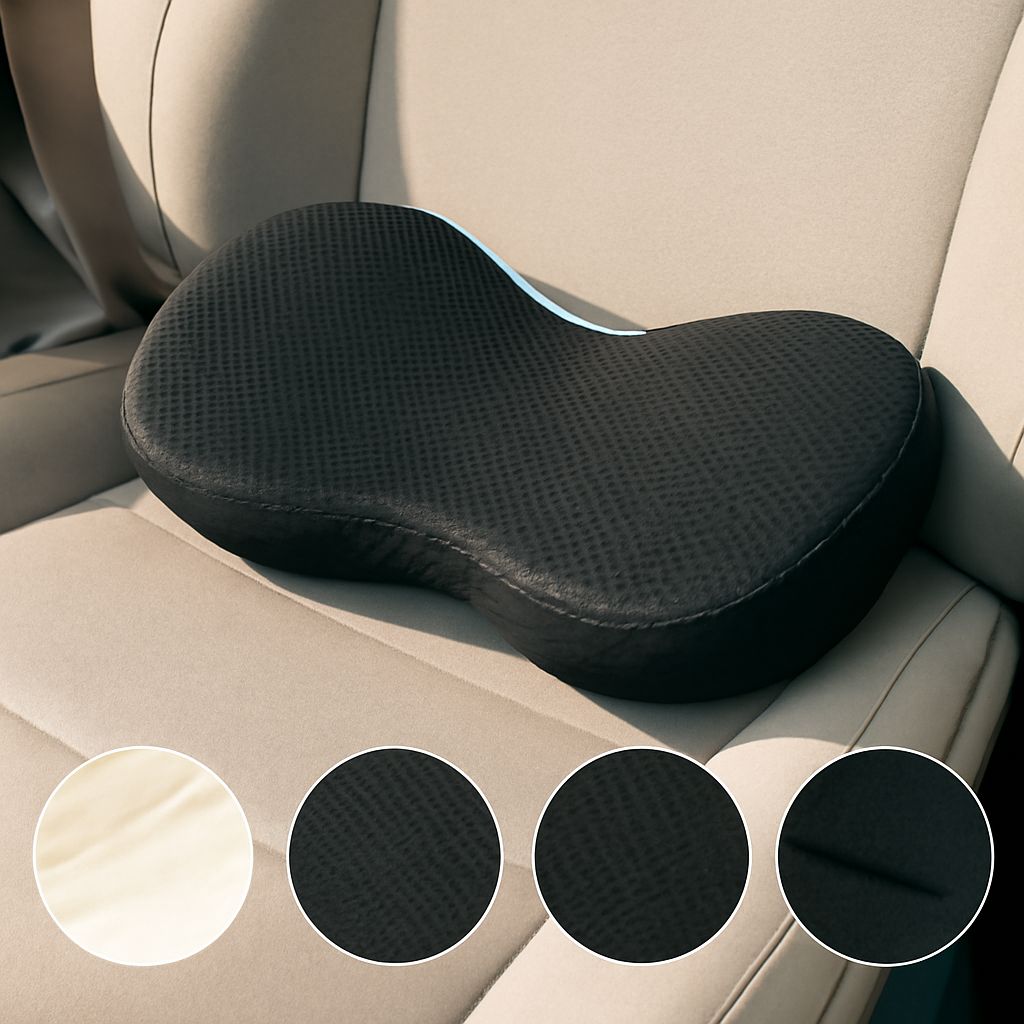
When the original foam still has structural integrity, adding a car cushion on top is faster and more affordable than replacing foam outright. Memory foam pads contour to body shape and distribute weight across a larger surface area. Gel pads reduce heat buildup and work well in warm climates. Coccyx cutout pads relieve tailbone pressure during long sitting periods.
A seat pad for car should match the seat width closely. Pads that are too wide interfere with seatbelt routing and shift during braking. Most vehicle-specific options come with non-slip bases and straps that anchor to the headrest post.
Best Car Seat Cushion for Sciatica
Sciatica produces sharp, radiating pain along the sciatic nerve, which runs from the lower back through the buttock and down the leg. Firm seats compress the piriformis muscle against the sciatic nerve, worsening symptoms. The best car seat cushion for sciatica uses a coccyx or U-shaped cutout to reduce direct pressure on this area. A combination of gel and memory foam layers provides both pressure relief and temperature regulation.
Orthopedic professionals generally recommend maintaining a 90-degree hip angle while seated to reduce nerve compression. Seat wedge cushions that tilt the pelvis slightly forward can achieve this when the vehicle seat design does not allow enough lumbar adjustment. The best car seat cushion for sciatica works best when combined with regular breaks during long drives, allowing the piriformis to decompress.
Installation and Maintenance
Car seat foam replacement requires removing the seat cover, extracting the old foam, cutting new foam to match the original shape, and reinstalling the cover. Most drivers without upholstery experience have this done professionally, which typically costs $100 to $300 per seat depending on complexity. Seat covers that attach with hog rings or clips make the process more accessible for experienced DIYers.
Add-on cushions require no tools. Wiping them down monthly with a damp cloth maintains hygiene. Memory foam pads benefit from occasional airing out to prevent moisture retention.
Key takeaways: Match the car cushion solution to the level of wear, using car seat foam replacement for severely compressed seats and add-on pads for moderate issues. Drivers managing sciatica benefit from coccyx cutout designs that reduce nerve pressure. Regular maintenance extends the life of any seat padding solution.