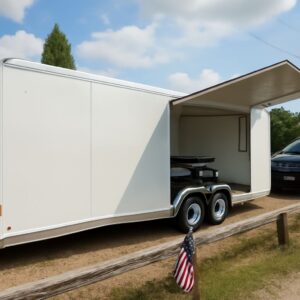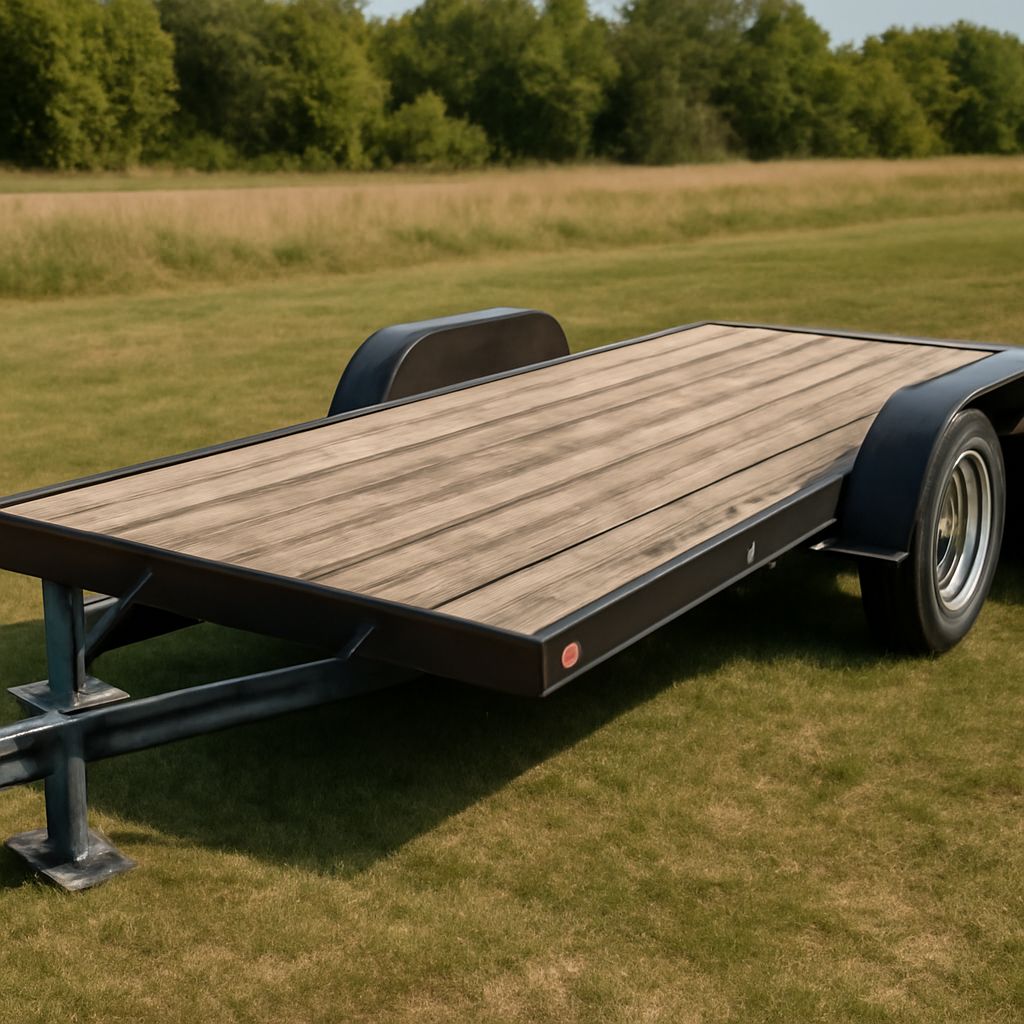
What separates a reliable hauler from one that causes problems at every job? A 16 foot car trailer covers most single-vehicle transport needs, but the difference between a smooth experience and a frustrating one often comes down to construction quality, weight rating, and tie-down design. Understanding these factors before purchase saves time and money.
Buyers comparing a 16 ft car trailer to an 18 foot car trailer, or weighing an 18′ car trailer against smaller options, should measure their vehicles first and match deck length to actual wheelbase. The best car trailer for a compact car may be the wrong choice for a full-size pickup or sports car with a long overhang. Matching trailer length to the vehicle being transported is the starting point for every decision.
Deck Length and Vehicle Fit
When a 16-Foot Deck Is Enough
A 16 foot car trailer fits most passenger cars, compact SUVs, and short-wheelbase trucks comfortably. The deck provides adequate room for standard tie-down positioning at four corners without forcing wheels too close to ramps or edges. For everyday transport of road cars, this length is a practical and cost-effective choice.
Moving Up to 18 Feet
An 18 foot car trailer accommodates longer wheelbases, low-clearance vehicles that need extra ramp approach angle, or situations where the driver wants a more relaxed load position. The extra two feet matter most with extended-cab trucks, long-hood classics, and sports cars with wide rear overhangs. A 16 ft car trailer may technically fit these vehicles, but loading becomes tighter and riskier.
Construction and Weight Ratings
Steel and aluminium are the two standard frame materials. Steel trailers cost less and are easier to repair locally, but add weight that reduces net payload capacity. Aluminium trailers are lighter and resist corrosion, which matters in regions with road salt or coastal exposure. Both materials, when properly welded and rated, can form the best car trailer for most operators.
GVWR (Gross Vehicle Weight Rating) appears on every trailer specification sheet. The rating must exceed the heaviest vehicle being transported, not just the average. Overloading a trailer causes premature axle wear, tyre failure, and dangerous handling on highways. Checking the tow vehicle’s tow rating alongside trailer GVWR is mandatory before any purchase decision.
Ramp Design and Loading Safety
Ramp Angle and Ground Clearance
Low-clearance vehicles scrape on steep ramps. An 18′ car trailer with a longer deck often produces a shallower ramp angle, which makes loading sports cars and modified vehicles safer. Dovetail designs — where the rear of the deck angles slightly toward the ground — further reduce approach angle without requiring longer overall trailer length.
Ramp Width and Tyre Guidance
Narrow ramps force precise alignment during loading, which increases the risk of a tyre dropping off the edge. Wider ramps allow more margin for error. Some trailers include tyre guides or track channels that keep wheels centred automatically, which is worth considering for solo operators who load without a spotter.
Tie-Down Systems and Wheel Nets
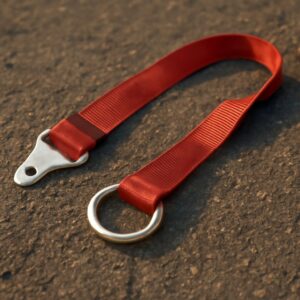
A reliable tie-down system is as important as the deck itself. The best car trailer configurations use wheel nets or basket straps rather than axle straps alone, reducing stress on suspension components during transport. Ratchet straps rated to at least the vehicle’s corner weight, applied at four points, meet standard transport requirements for most road vehicles.
When hauling with a 16 foot car trailer, the four tie-down anchor points should be positioned ahead of and behind the front and rear axles respectively. This positioning prevents the vehicle from shifting forward under braking or rearward during acceleration without over-stressing any single anchor.
Key Takeaways
Match trailer deck length to actual vehicle wheelbase before comparing price or features. A 16 ft car trailer handles most cars well, while an 18 foot car trailer or an 18′ car trailer option suits longer and lower vehicles. Always verify GVWR against the heaviest load, and choose tie-down systems designed to protect suspension rather than stress it.