Tobacco smoke penetrates fabric, foam, plastic, and ductwork with a persistence that simple air fresheners cannot touch. To remove smoke smell from car interiors properly, the odor-causing residue must be physically cleaned from every surface, not masked. How to get cigarette smell out of a car starts with understanding where the compounds settle: headliner fabric, seat foam, carpet backing, and the HVAC system all absorb smoke particulates over time.
The question of how to get rid of smoke smell in a car comes up frequently with used vehicles purchased from smokers. It also arises after a single heavy smoking session in a car that was previously clean. The approach to remove smoke odor from car interior spaces differs slightly depending on severity, but the core process is the same: clean all surfaces, treat porous materials, and address the ventilation system. How to get cigarette smoke out of a car interior completely requires patience and sometimes multiple treatment rounds.
Surface Cleaning First
Hard Surfaces Dashboard, door panels, center console, and window glass all collect a yellow-brown film of smoke residue. Wiping these surfaces with a solution of warm water and white vinegar, or a dedicated interior cleaner, removes the bulk of the surface deposit. Glass deserves particular attention: cigarette film on the inside of windows is thicker than it appears and requires a dedicated glass cleaner and a microfiber cloth to clear completely. Hard surface cleaning is always step one when working to remove smoke smell from car interiors.
Fabric and Upholstery
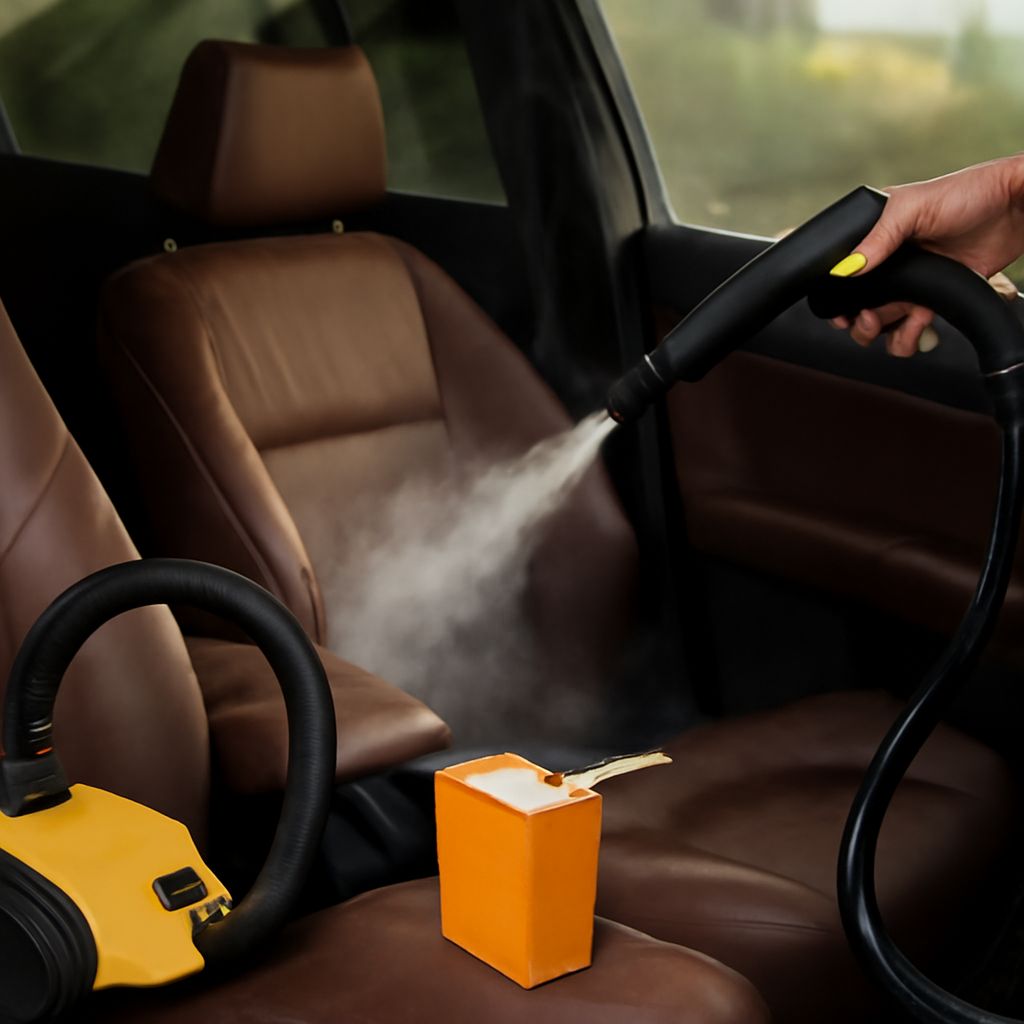
Cloth seats and carpet hold the most odor because their fibrous structure traps smoke particles deep within the pile. An enzyme-based upholstery cleaner breaks down the organic compounds responsible for the smell rather than just cleaning the surface layer. Work the cleaner into the fabric with a soft brush, let it dwell for the time specified on the label, then extract with a wet-dry vac or blot with clean towels. This is the most labor-intensive step in how to get cigarette smell out of a car, but skipping it means the odor returns as soon as temperatures rise.
Treating the Headliner
The headliner is porous and fragile. Aggressive scrubbing tears the backing or causes it to sag. A light spray of enzyme cleaner or a diluted odor-neutralizing solution applied with a lightly damp microfiber pad is the correct method. Allow the headliner to dry fully with windows open before evaluating whether a second pass is needed. Saturating the headliner causes lasting damage, so restraint with liquid application matters more here than anywhere else in the car.
Cleaning the HVAC System
The ventilation system recirculates cabin air and accumulates smoke residue on the evaporator and ducts. Running the fan on maximum with fresh-air mode selected and the windows open flushes some residue. A more thorough approach involves spraying an HVAC-specific odor eliminator into the fresh-air intake with the fan running, allowing it to coat the evaporator and duct surfaces. This step is essential to fully remove smoke odor from car interior spaces, because a dirty evaporator will re-contaminate cleaned surfaces every time the AC or heat runs.
Odor Neutralizers and Final Treatment
After cleaning, an ozone generator left running in the closed vehicle for two to four hours oxidizes residual odor compounds throughout the cabin. Ozone is effective but should only be used in an unoccupied vehicle with all vents closed, and the car must air out completely before anyone enters. Activated charcoal bags placed inside the vehicle for several days after ozone treatment absorb any remaining volatile compounds. This two-step finish addresses what cleaning alone cannot reach, completing the process of how to get cigarette smoke out of a car interior at a deep level.
Pro tips recap: Start with hard surfaces and glass before moving to fabric and upholstery, because cleaning in that order prevents re-depositing residue onto already-cleaned areas. Use enzyme-based products on all porous materials rather than fragrance sprays. Treat the HVAC system as its own project, not an afterthought, since a smoky evaporator undoes surface cleaning. How to get rid of smoke smell in a car permanently requires addressing every surface type rather than focusing on the most obvious ones.