Anyone who has purchased a used vehicle or transported a smoker knows how stubborn tobacco odor can be. Knowing how to get smoke smell out of car interiors requires more than masking the scent — it means targeting the source. Whether trying to remove cigarette smell from car seats, headliners, or ductwork, the process takes a systematic approach across multiple surfaces.
Removing smoke smell from car cabins is possible without professional detailing, provided the right products and sequence are used. This guide walks through each step, from initial prep to final treatments, to remove smoke odor from car materials thoroughly. Removing smoke odor from car interiors also prevents the smell from reactivating in warm weather.
Why Smoke Odor Lingers in a Car Interior
Tobacco smoke contains hundreds of chemical compounds that bond to porous materials. Fabric seats, carpeting, foam padding, and the headliner absorb particulates over time. The HVAC system circulates these particles through the cabin each time the fan runs. Even hard plastic surfaces retain a thin oily film that off-gasses when the car heats up. Understanding this helps explain why a single treatment rarely solves the problem.
What You Need Before You Start
Gather these materials before beginning:
- Vacuum with upholstery and crevice attachments
- Enzymatic or odor-neutralizing fabric cleaner
- All-purpose interior cleaner for hard surfaces
- Microfiber cloths
- Activated charcoal packets or baking soda
- HVAC odor fogger or cabin air filter treatment spray
- Replacement cabin air filter
Cleaning Surfaces and Upholstery
Vacuuming and Fabric Treatment
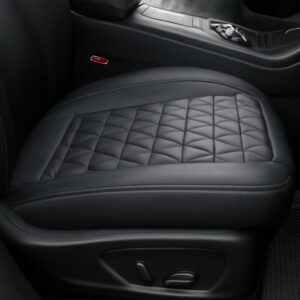
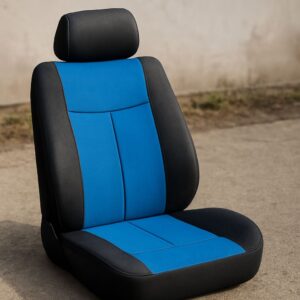
Start by vacuuming the entire cabin thoroughly — seats, carpets, floor mats, and door panels. Remove the floor mats and vacuum both sides. Apply an enzymatic fabric cleaner to cloth seats and carpeting, working it into the fibers with a soft brush. Allow the product to dwell for the manufacturer-recommended time before blotting dry. Leather seats should be wiped with a mild cleaner formulated for leather, then conditioned to prevent drying.
Hard Surfaces and Headliner
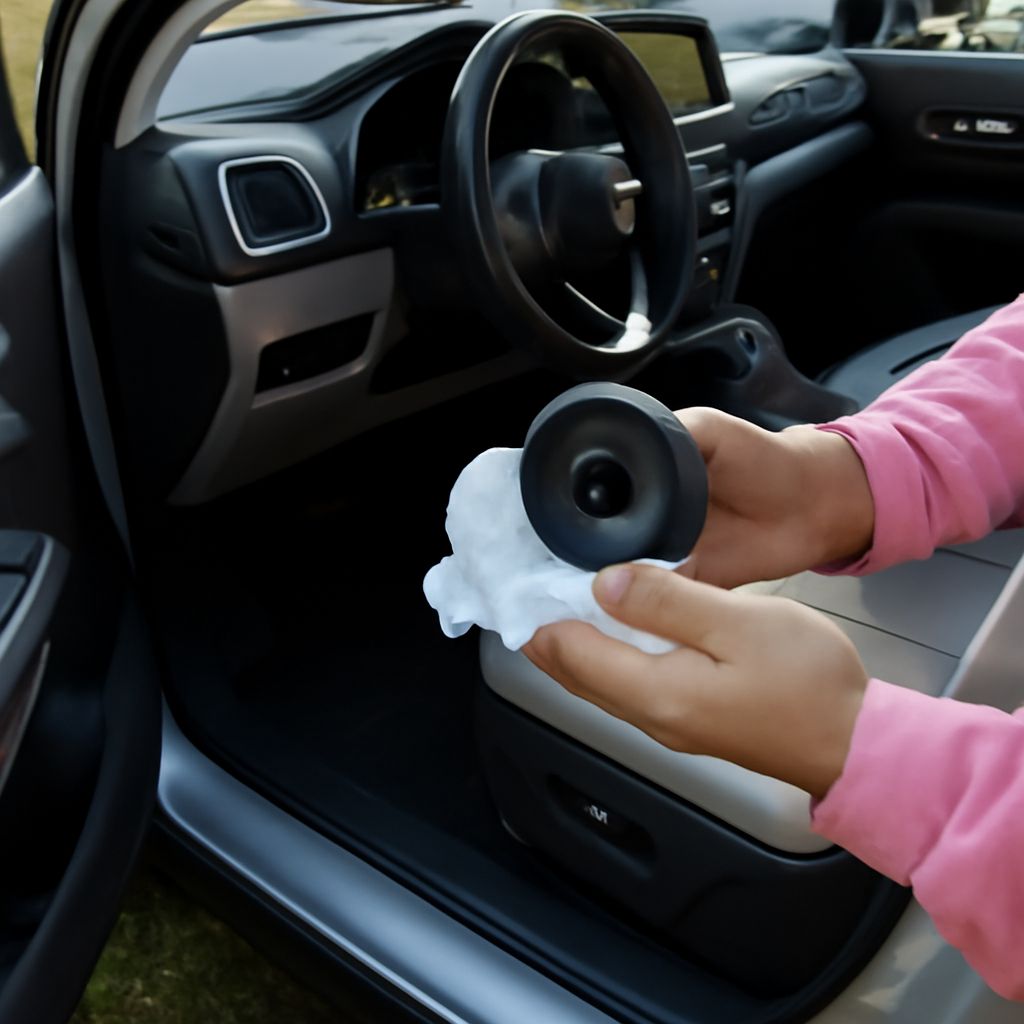
Wipe down every hard surface — dashboard, door panels, center console, and pillars — with an all-purpose interior cleaner. Pay close attention to the headliner, which absorbs smoke directly. Use a light-mist application of fabric cleaner on the headliner and blot gently; aggressive scrubbing can damage the backing adhesive. Clean the inside of windows, as a film of tar-related residue collects there and contributes to the odor.
Deodorizing the HVAC System
The ventilation system is one of the most overlooked sources of smoke odor. Start by replacing the cabin air filter, as it captures airborne particles and becomes saturated over time. With the engine running and the fan set to max, spray an HVAC odor eliminator into the fresh-air intake — typically located at the base of the windshield. Run the system on both recirculation and fresh-air modes to distribute the treatment through all ducts.
Odor Absorbers and Final Treatments
Once cleaning is complete, place activated charcoal packets under each seat and in the trunk for 48 to 72 hours. Baking soda spread over carpets overnight and then vacuumed up is another effective approach. Ozone treatment, available through professional detailers, oxidizes odor molecules in hard-to-reach areas and is worth considering for severe cases. White vinegar in an open container left in the closed car overnight also neutralizes residual compounds.
Preventing Smoke Smell from Returning
Maintaining a fresh cabin long-term requires ongoing attention. Replace the cabin air filter every 12,000 to 15,000 miles. Keep windows cracked slightly when parking in warm conditions to prevent heat from off-gassing residual compounds. Regular vacuuming and surface wipe-downs stop new buildup from accumulating.
Pro tips recap: Treat all surfaces in sequence, starting with fabrics before hard surfaces. Always replace the cabin filter. Allow odor absorbers to sit at least 48 hours for best results. Repeated treatments spaced a few days apart consistently outperform a single heavy application.