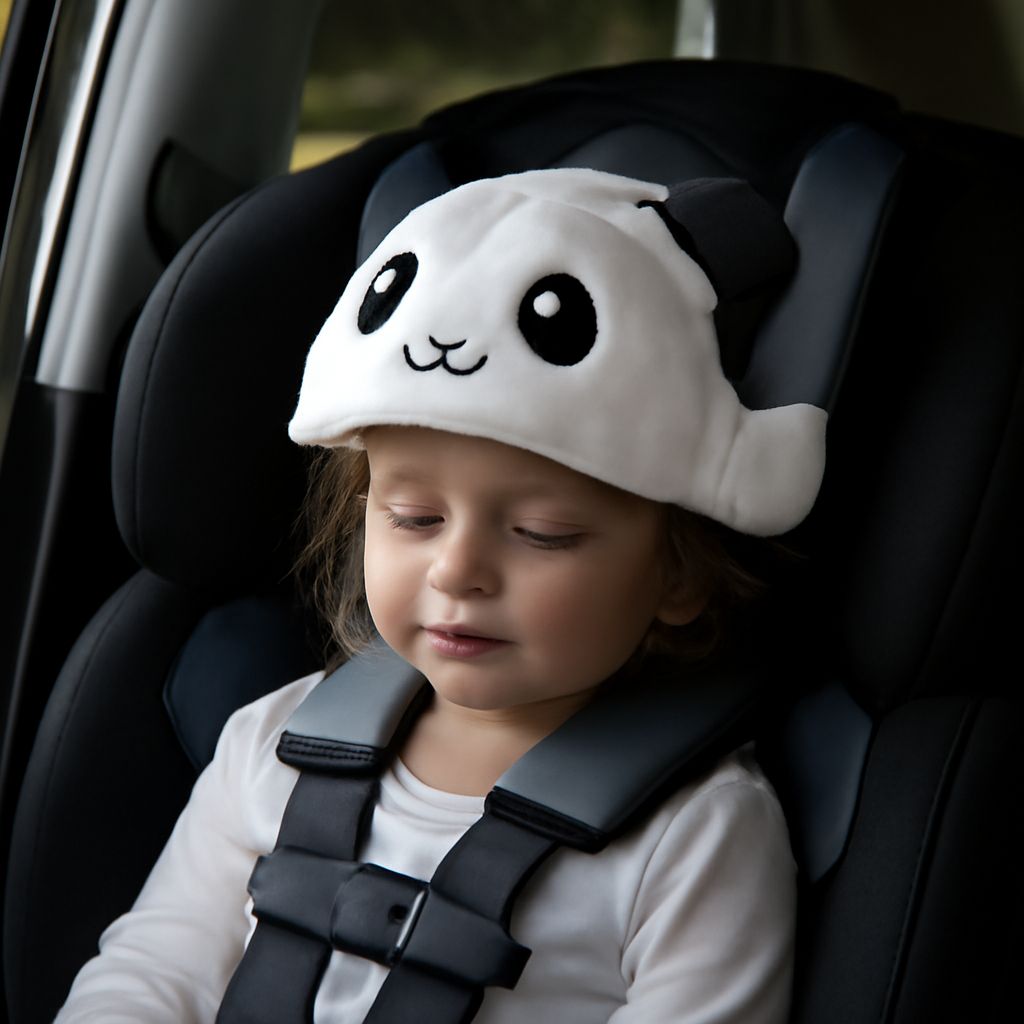
A car seat head support keeps an infant’s or toddler’s head from slumping forward or falling to the side during sleep, a position that can restrict a young child’s airway. Proper baby car seat head support is not just about comfort — it addresses a genuine safety concern for children whose neck muscles have not yet fully developed. Parents shopping for head support for car seat use need to understand which products work with their specific seat model and which aftermarket accessories can actually compromise safety.
Toddler car seat head support products serve a different purpose than infant inserts. Toddlers have stronger neck muscles but still lack the stamina to hold their heads upright for an entire long drive. Car seat head support toddler options focus on lateral support and padding rather than the full head-cradling design needed for newborns.
Why Head Support Matters for Young Passengers
Infant Airway Safety Newborns and young infants cannot lift their heads reliably. When a baby’s head falls forward in a car seat, the chin-to-chest position can partially close the airway, reducing oxygen flow within minutes. Proper baby car seat head support holds the head back and slightly reclined, keeping the airway open. Most infant car seats ship with an integrated head support insert that should remain in place until the child reaches the seat manufacturer’s weight or height threshold for its removal.
Toddler Comfort and Positioning
For older children, the concern shifts from airway restriction to neck strain and waking from an uncomfortable position. Toddler car seat head support products typically use soft side bolsters or memory foam wings to cradle the head from both sides without pushing it forward. The target is neutral spine alignment, where the head rests without tilting at an angle that stresses neck muscles over a long journey.
Integrated vs. Aftermarket Head Support
Car seat manufacturers design integrated head support for car seat models to work within the specific harness geometry and padding of that seat. Aftermarket products added on top of or beneath the harness straps may shift harness positioning, change the distance between the buckle and the child’s body, or alter the seat’s energy absorption in a crash. Safety certification labs test car seats as complete systems; adding unapproved accessories voids that certification in most cases.
Parents who feel the factory insert provides inadequate support should contact the seat manufacturer directly. Some brands offer official accessory inserts designed and crash-tested for their own products, providing head support without compromising the safety certification.
Selecting Head Support for Car Seat Models
When evaluating head support for car seat compatibility, check three things: the product must be approved by the car seat manufacturer, it must not sit between the child and the harness straps, and it must not raise the child’s head above the seat shell’s headrest protection zone. Some all-in-one seats include adjustable headrests that move up as the child grows, eliminating the need for a separate toddler car seat head support insert entirely.
Positioning and Fit Check
After installing any car seat head support toddler or infant product, perform a fit check with the child buckled in. The head should rest in a neutral position without the chin dropping toward the chest. The harness chest clip should sit at armpit level, and the straps should pass over the shoulders without being deflected by the support accessory. A support product that displaces the harness straps even slightly warrants removal and a call to the seat manufacturer for guidance.
Next steps: Check the car seat manual to confirm which head support accessories the manufacturer approves. For infants, leave the factory insert in place until the child reaches the specified removal threshold. For toddlers, look for official accessories from the seat brand before considering aftermarket options, and always perform a full harness fit check after installing any new support product.