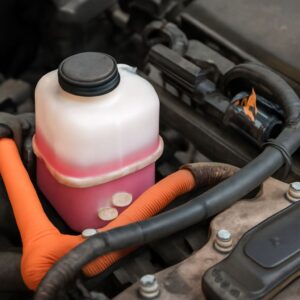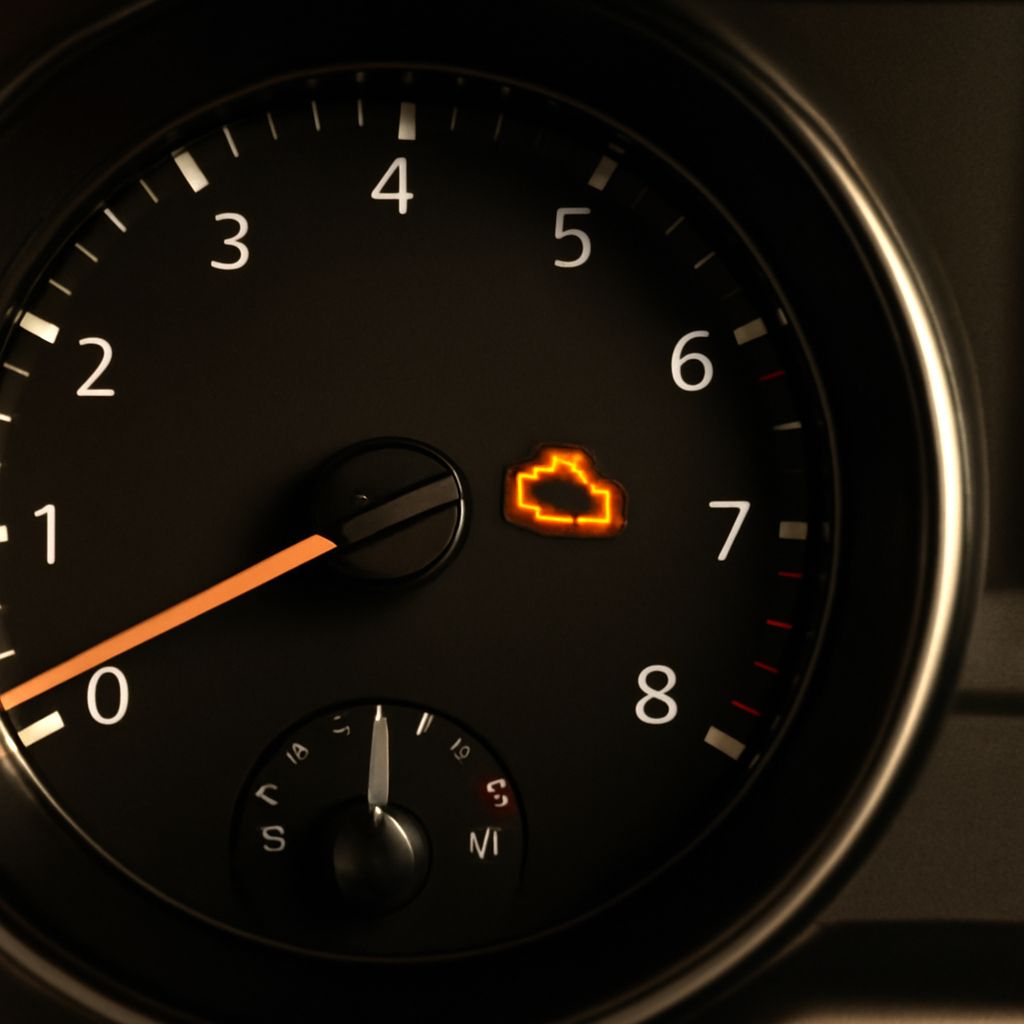
A car shuts off when stopped without warning, and the driver has no immediate explanation. The engine was running fine at speed, but the moment the vehicle slowed for a light or pulled into a parking lot, it died. This pattern, where a car shuts off when stopped or slowing down, narrows the problem considerably and points toward systems that manage low-RPM engine stability.
Understanding what causes a car to stall at idle is the starting point for any repair. Some causes are straightforward, others require diagnostic equipment to identify. When a car turns off when stopped at light with no other symptoms, many owners assume major engine trouble. That is often not the case. Even when a car stalls at idle no check engine light appears, common culprits can be found through methodical inspection.
Why a Car Shuts Off When Stopped or Slowing Down
How Idle Speed Affects Engine Stability
At idle, the engine runs at its lowest RPM, typically between 600 and 900 for most gasoline engines. Several systems work together to maintain that speed. The throttle body controls airflow, the idle air control valve fine-tunes it, and the fuel injectors deliver a precise amount of fuel. When any of these components fail or receive incorrect signals, idle speed drops below the threshold the engine needs to keep running, and the car shuts off.
Fuel Delivery Problems at Low RPM
Fuel pressure drops when a pump weakens, a fuel filter clogs, or a pressure regulator fails. At highway speeds, the engine can sometimes compensate by drawing enough fuel through increased vacuum. At idle, that margin disappears. Low fuel pressure at idle is a documented cause of stalling that may not produce consistent fault codes.
Common Causes: What Causes a Car to Stall
Faulty Idle Air Control Valve
The idle air control valve bypasses the throttle plate to let in additional air when the engine is at idle. A stuck, dirty, or failed valve cannot adjust airflow properly, causing the engine to stall when demand rises, such as when the air conditioning compressor engages at a red light.
Dirty or Failing Mass Airflow Sensor
The mass airflow sensor tells the ECU how much air is entering the engine. A contaminated sensor reports incorrect values, causing the fuel mixture to be too lean at idle. Cleaning the sensor with dedicated sensor-safe spray sometimes resolves the stalling. If the sensor has failed, replacement is necessary.
Fuel Pressure Issues
A weak fuel pump delivers insufficient pressure at idle. Testing fuel pressure with a gauge at the rail confirms whether the pump is maintaining specification. Below-spec readings at idle, combined with normal readings at higher RPM, are a clear indicator of a failing pump.
Car Turns Off When Stopped at Light: When It Keeps Happening
A car turns off when stopped at light most often because the engine cannot maintain idle after a load change. Engaging the brake on an automatic transmission increases engine load slightly. If the idle control systems are marginal, that small increase is enough to stall the engine. A/C compressor engagement at idle is another common trigger. The pattern of stalling specifically at lights, with normal behavior at speed, remains the diagnostic marker.
Diagnosing Car Stalls at Idle No Check Engine Light
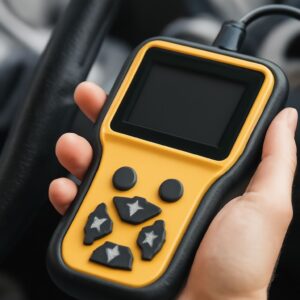
When a car stalls at idle no check engine light appears, the fault may be intermittent, may fall below the ECU’s threshold for logging, or may involve a mechanical issue rather than an electronic sensor failure. A fuel pressure test, a visual inspection of the idle air control valve, and a check of the throttle body for carbon buildup cover the most common causes. A scan tool that monitors live data, including fuel trim values and airflow readings, reveals lean conditions even without stored codes.
Next Steps
Clean the throttle body and idle air control valve as a first step since both are inexpensive service items that frequently resolve idle stalling. Test fuel pressure next. If codes appear after a stall event, retrieve them immediately before the ECU clears them. A technician with a live-data scan tool can monitor the engine through the stall condition to pinpoint the fault in real time.