An EV car conversion transforms a gasoline-powered vehicle into an electric one by replacing the combustion engine, fuel system, and exhaust with an electric motor, battery pack, and controller. The appeal is clear: lower fuel costs, reduced emissions, and the satisfaction of a hands-on engineering project. But anyone planning to build electric car equipment into a donor vehicle should understand the scope of the work before committing.
The path to a completed conversion involves choosing between a full custom build, a homemade electric car conversion using sourced components, or purchasing an electric kit car for sale that includes pre-matched parts. Each approach differs in cost, complexity, and the skill level required. Selecting the best electric motor for car conversion is one of the most consequential early decisions, as it shapes the battery requirements and performance characteristics of the finished vehicle.
What an EV Car Conversion Involves
Key Components Needed
A complete EV car conversion requires an electric motor, a motor controller, a battery pack, a battery management system (BMS), a DC-DC converter to power 12V accessories, a charger, and a throttle interface. The donor vehicle provides the chassis, transmission (in some configurations), brakes, and body. Adapting the motor to the existing transmission requires a custom adapter plate machined to fit the specific motor and transmission combination.
Planning Your Build Timeline
A realistic timeline for a homemade conversion ranges from six months to two years depending on available hours per week, the complexity of the donor vehicle, and whether custom fabrication is required. Sourcing parts, waiting for machined adapter plates, and working through electrical integration each add time. Budgeting for delays is practical for any first-time builder.
How to Build Electric Car: Step-by-Step Overview
Stripping the Donor Vehicle
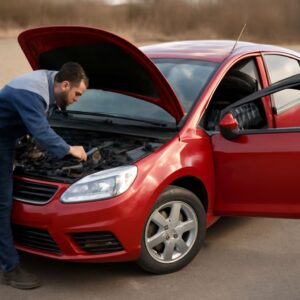
To build electric car functionality into a donor, the first physical step is removing the combustion engine, transmission (if not retained for the motor coupling), exhaust system, fuel tank, fuel lines, and associated components. The engine bay must be cleaned and prepared for the new drivetrain. Some builders also remove the radiator and cooling system entirely; others retain the heater core for cabin heat and repurpose a small coolant circuit for motor cooling.
Installing the Motor and Battery Pack
Motor mounting requires a custom adapter plate and a coupler that connects the motor shaft to the transmission input shaft. The motor must be aligned precisely to avoid drivetrain vibration. Battery boxes are typically fabricated from steel or aluminum and mounted in the engine bay, trunk, or under the floor. Weight distribution matters: placing battery mass low and centered improves handling over the original gasoline configuration.
Electric Kit Car for Sale: Pre-Built vs. DIY Kits
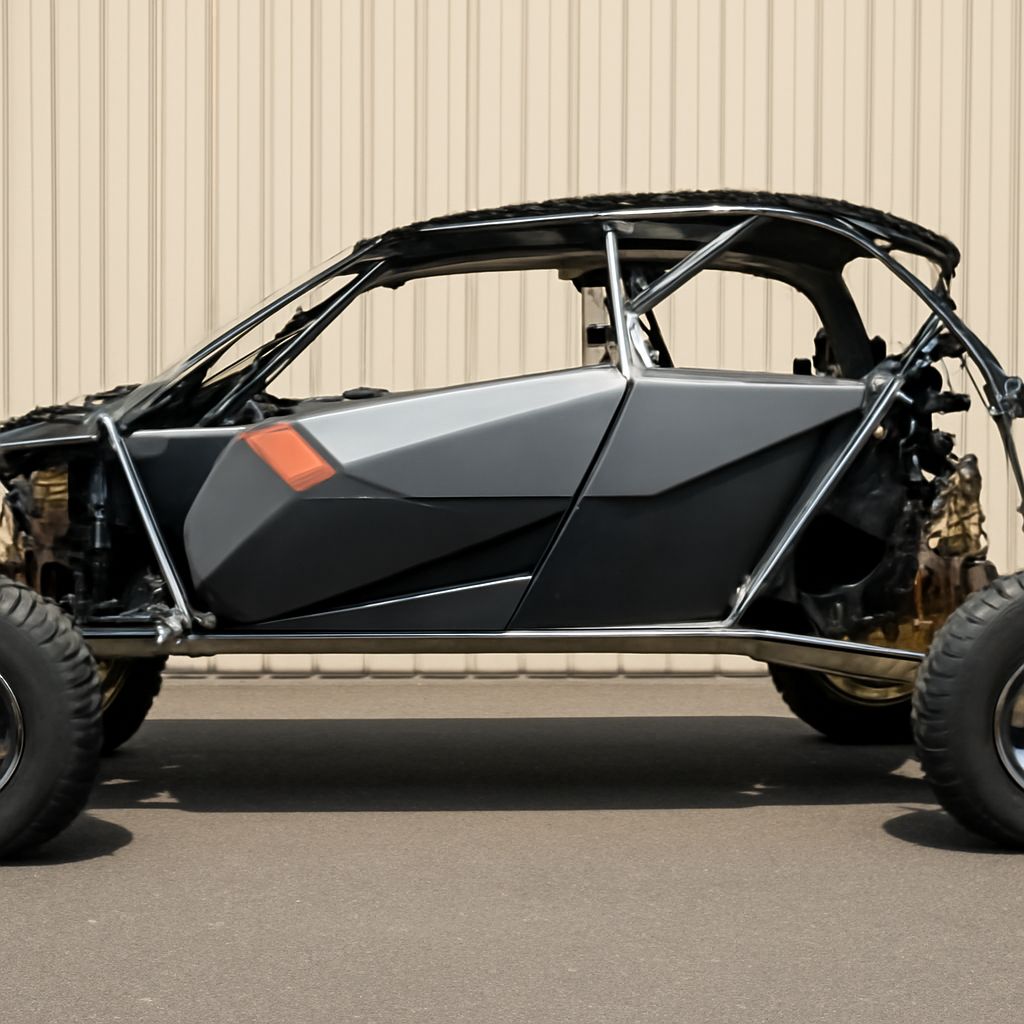
An electric kit car for sale packages a designed chassis with pre-selected motor, controller, and battery combinations. These kits reduce the engineering burden because the builder knows the components are already matched. Some electric kit car for sale options are sold as rolling chassis requiring only body and trim; others are nearly complete vehicles needing only final assembly. Kit cars are registered differently than converted production vehicles in most jurisdictions; verify local regulations before purchase.
Homemade Electric Car Conversion: Costs and Realistic Expectations
A homemade electric car conversion budget starts at roughly $5,000 for a basic low-speed vehicle and climbs to $20,000 or more for a highway-capable build with meaningful range. Battery costs dominate: a usable 20 kWh pack at current cell prices runs $4,000 to $8,000 depending on cell chemistry and format. Motor and controller together add $1,000 to $3,000. The donor vehicle, tooling, and fabrication work round out the budget.
Homemade electric car conversion projects frequently run over initial estimates. First-time builders commonly underestimate the cost of wiring, safety components, and the finishing work required to make the vehicle driveable and roadworthy.
Choosing the Best Electric Motor for Car Conversion
The best electric motor for car conversion depends on the target performance and the donor vehicle. AC induction motors and permanent magnet AC motors offer regenerative braking and efficient power delivery across a wide RPM range. DC series-wound motors are simpler to control but less efficient and offer no regenerative capability. The best electric motor for car conversion in a lightweight commuter vehicle differs from what works in a heavier truck build.
Peak power, continuous power rating, and RPM range all affect how the motor couples with the gearing in the retained transmission or the direct drive arrangement. Consulting established conversion community resources and sourcing from suppliers with technical support reduces the chance of mismatched components.
Next Steps
Join online EV conversion communities to review completed build documentation for the target donor vehicle before purchasing parts. Verify local registration and safety inspection requirements for converted electric vehicles in the relevant jurisdiction. Start with a donor vehicle that has a well-documented conversion history; popular platforms have more available adapter plates, pre-existing wiring guides, and community knowledge to draw from.